
Earliest plague found in 5,500-year-old Siberian graves reshapes origins
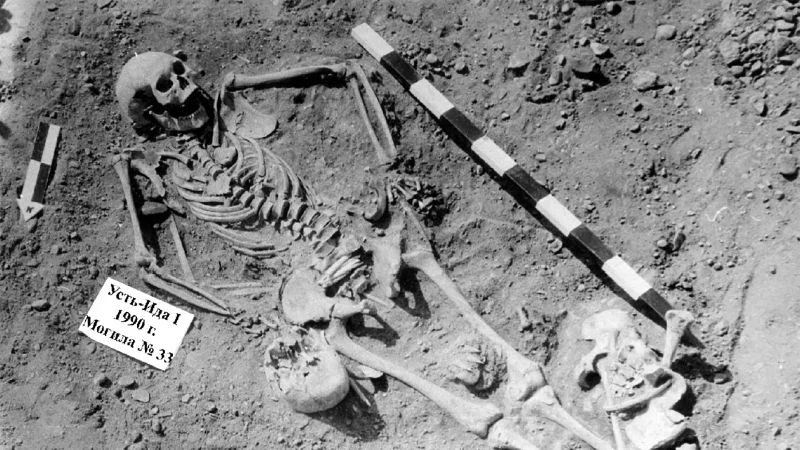
Ancient DNA from 5,500-year-old Siberian hunter-gatherer graves reveals a previously unknown Yersinia pestis strain carrying a unique toxin that likely made infections highly deadly for children and suggests plague originated in Central/Northeast Asia long before farming. The study found plague in about 39% of individuals across two cemeteries near Lake Baikal, implying possible human-to-human transmission within small groups and multiple outbreak waves, with marmots likely acting as the ancient reservoir. By combining DNA analysis, radiocarbon dating, and archaeology, researchers show these were among the oldest plague events in humans and challenge ideas about how the disease spread.
- Hunter-gatherer cemeteries reveal an ancient plague’s earliest known victims CNN
- Lethal plague outbreaks in Lake Baikal hunter-gatherers 5,500 years ago Nature
- A Deadly Outbreak of Plague, Nearly 5,000 Years Before the Black Death The New York Times
- Ancient graves held a grim mystery. DNA revealed the oldest known plague outbreaks. The Washington Post
- Oldest evidence of a plague outbreak found in prehistoric graves, rewriting the disease’s history NBC News
Reading Insights
0
30
7 min
vs 8 min read
94%
1,520 → 97 words
Want the full story? Read the original article
Read on CNN