Tag

Lake Baikal

All articles tagged with #lake baikal

Ancient Siberian plague outbreaks traced to Lake Baikal hunter-gatherers via ancient DNA
archaeology2 months ago

Ancient Siberian plague outbreaks traced to Lake Baikal hunter-gatherers via ancient DNA

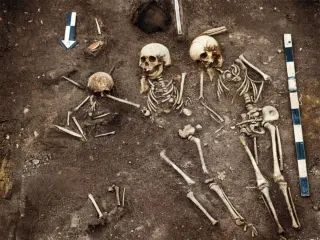
A Nature study of ancient DNA from 46 individuals buried near Lake Baikal reveals two previously unknown Yersinia pestis strains, indicating two plague outbreaks about 5,600–5,300 and 5,100–4,900 years ago among hunter-gatherers. About 40% of the individuals carried plague DNA, suggesting significant mortality in small communities likely caused by pneumonic plague transmitted person-to-person; marmots may have been the reservoir. This pushes plague's emergence far earlier than previously thought and shows epidemics affected hunter-gatherer groups before farming communities appeared.

Ancient Siberian Plague Reveals Earliest Outbreak Linked to Hunter-Gatherers
science2 months ago

Ancient Siberian Plague Reveals Earliest Outbreak Linked to Hunter-Gatherers

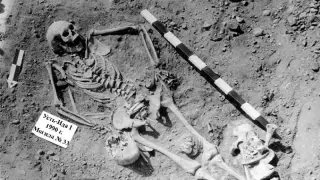
DNA from teeth at four Siberian cemeteries shows Yersinia pestis in victims dating to about 5,500 years ago, making this the oldest known plague outbreak and indicating that hunter-gatherers near Lake Baikal were devastated before farming communities. The early strain lacked later virulence genes but was still deadly, likely spreading pneumonically and disproportionately affecting children; burial patterns suggest the disease spread within families along the Angara River, challenging the idea that plague only emerged with agriculture.

Earliest plague found in 5,500-year-old Siberian graves reshapes origins
science2 months ago

Earliest plague found in 5,500-year-old Siberian graves reshapes origins

Ancient DNA from 5,500-year-old Siberian hunter-gatherer graves reveals a previously unknown Yersinia pestis strain carrying a unique toxin that likely made infections highly deadly for children and suggests plague originated in Central/Northeast Asia long before farming. The study found plague in about 39% of individuals across two cemeteries near Lake Baikal, implying possible human-to-human transmission within small groups and multiple outbreak waves, with marmots likely acting as the ancient reservoir. By combining DNA analysis, radiocarbon dating, and archaeology, researchers show these were among the oldest plague events in humans and challenge ideas about how the disease spread.

"Warming Threatens Ancient Ecosystem of Lake Baikal"
environment2 years ago

"Warming Threatens Ancient Ecosystem of Lake Baikal"

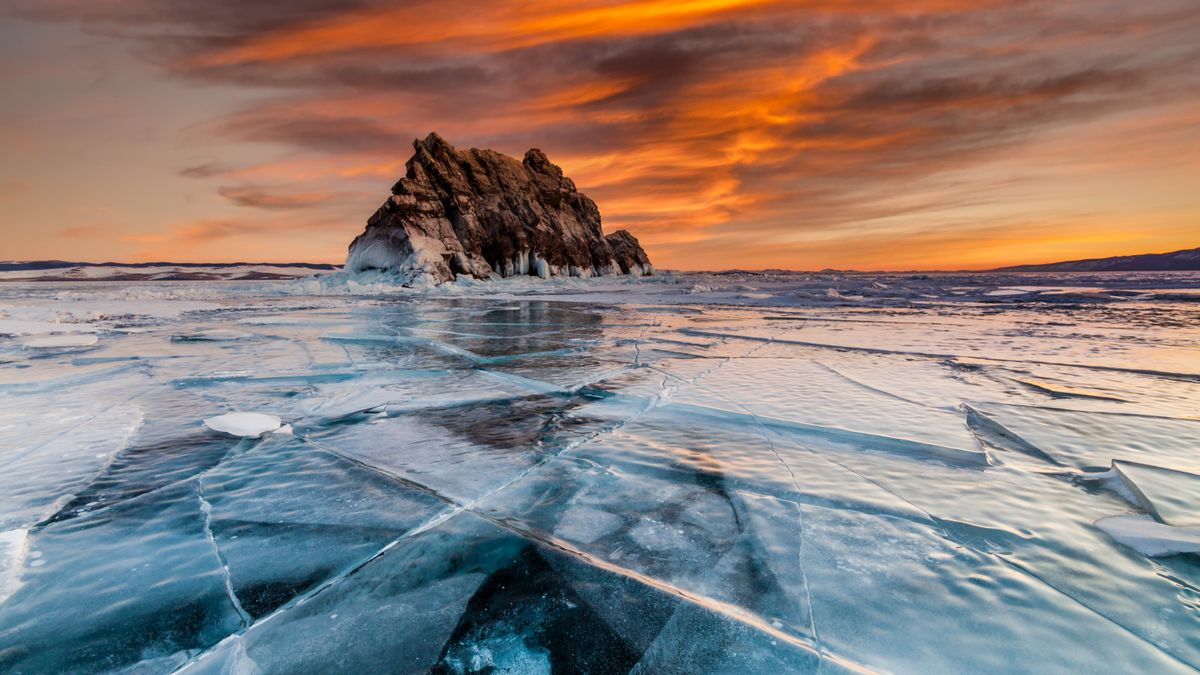
Lake Baikal, the world's oldest and deepest freshwater lake, is facing a regime shift due to global warming, with warming temperatures and shrinking ice duration affecting its unique ecosystem. Comprehensive analyses show increases in algal mass and zooplankton numbers, while cold-loving organisms are declining. Changes in nutrient cycling and algae productivity are also observed, with potential broad ecological consequences. The lake's ancient and biodiverse ecosystem, including its unique fauna and methane-fueled communities, is at risk, highlighting the direct and indirect effects of global warming on this remarkable natural environment.

Pollen analysis reveals Pleistocene warming's role in human dispersal
anthropology2 years ago

Pollen analysis reveals Pleistocene warming's role in human dispersal

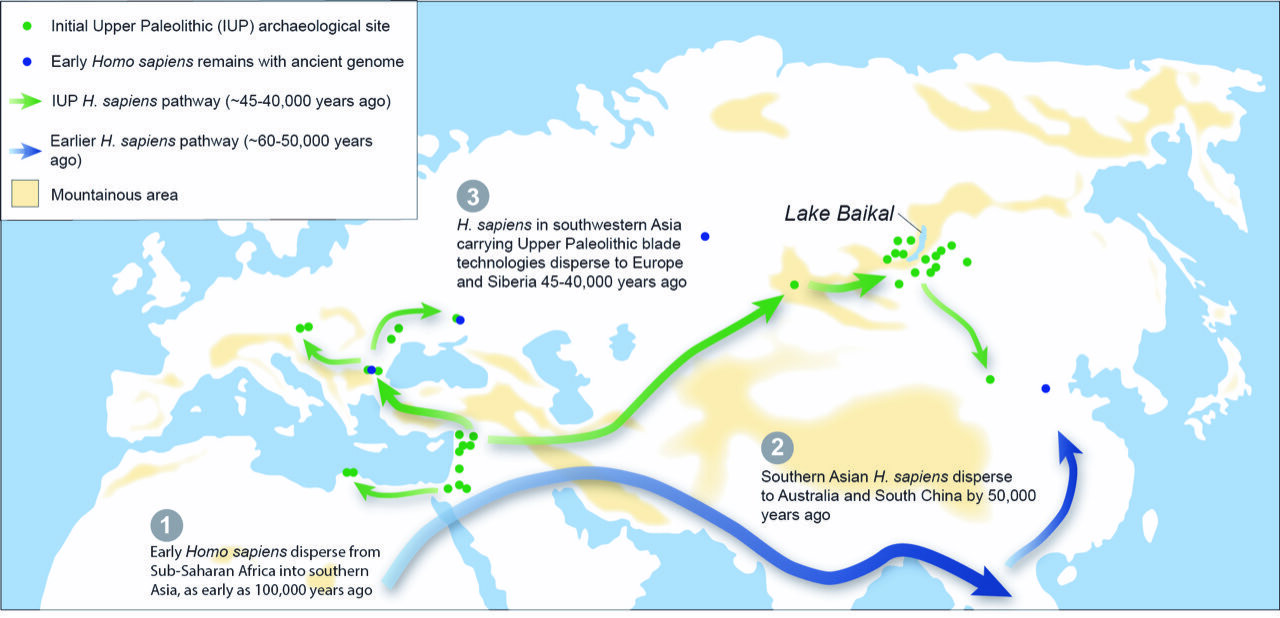
A study published in Science Advances suggests that the dispersal of Homo sapiens across Europe and Asia occurred during a major warming period in the late Pleistocene, supported by evidence from pollen analysis around Lake Baikal in Siberia. The research challenges previous archaeological perspectives and provides insights into the environmental conditions that early humans faced during their migration. The study also highlights the emergence of behavioral and cultural changes in early modern humans, coinciding with the anatomical changes observed in the fossil record. However, more evidence is needed to establish a clear link between the archaeological sites and the single human fossil found in the region.