
Microgravity Disrupts Astronaut Swallowing and Taste, Threatening Long-Duration Mission Nutrition
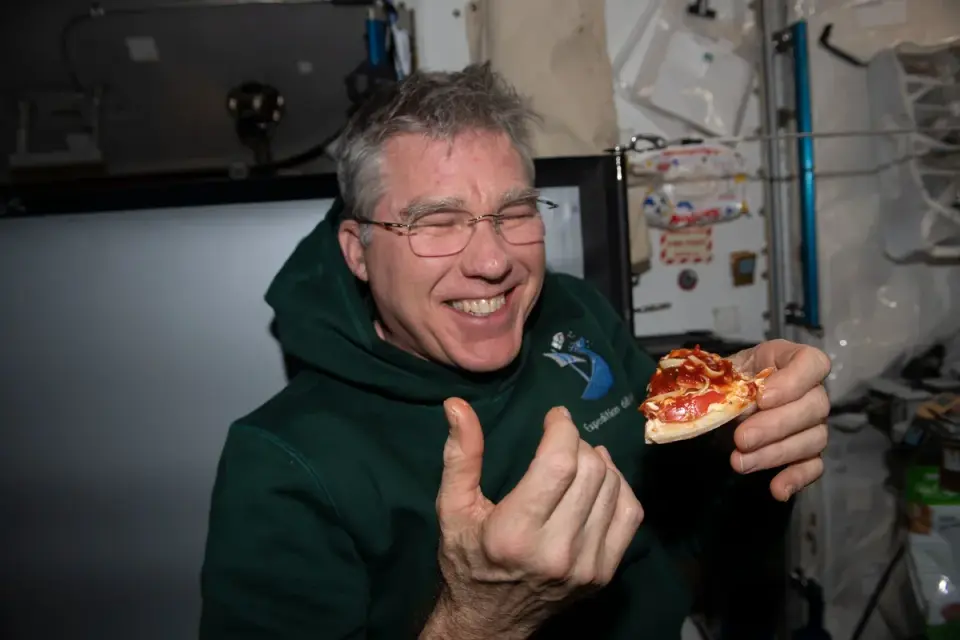
Microgravity alters fluid distribution in the body, causing nasal congestion and reduced saliva production that impair astronauts' ability to taste, chew, and swallow safely. These physiological changes can lead to decreased food intake and potential dental issues, posing significant risks for nutrition and hydration during multi-year missions to Mars. While current space food options have improved, researchers are developing 3D-printed foods with customized textures to address swallowing difficulties and ensure astronauts maintain adequate nutrition in deep space.
Key points
- Spaceflight causes bodily fluids to shift toward the head, resulting in facial puffiness, nasal congestion, and altered pressure in the mouth and throat, which complicates the mechanical process of swallowing.
- Congestion reduces the sense of smell, dulling flavor perception and making food less satisfying, which often leads to astronauts eating less than expected and losing weight during missions.
- Microgravity and dehydration affect salivary glands, reducing saliva production; since saliva is essential for softening food and protecting oral tissues, this increases the risk of dental problems and makes swallowing difficult.
- A round-trip mission to Mars could last two to three years, far from medical specialists, making the ability to eat and drink comfortably critical for maintaining muscle strength, immune function, and mental performance.
- Researchers are exploring 3D food printing technology to create customized textures that can help astronauts with swallowing difficulties eat more safely, building on texture-modified diets used in Earth-based rehabilitation centers.
Background
Previous coverage noted that microgravity causes significant physiological changes, including a 15% reduction in calf muscle mass, bone density loss, and spinal lengthening, with some gene activity and vascular changes persisting for months after return. While exercise and nutrition help mitigate these effects, they do not fully prevent them, highlighting the need for better countermeasures for future long-duration missions. The current focus on swallowing and nutrition builds on these broader physiological challenges, emphasizing the importance of maintaining basic bodily functions in space.
Why it matters
Understanding how microgravity affects eating and drinking is crucial for the success of future long-duration space missions, such as those to Mars. If astronauts cannot eat and drink comfortably, they may fail to maintain the nutrition and hydration needed to preserve muscle strength, immune function, and mental performance. This could jeopardize mission objectives and astronaut health, making the development of adaptive food technologies and countermeasures a priority for space agencies.
What to watch
Researchers will continue to study the effects of microgravity on the digestive system, focusing on chewing, swallowing, and nutrition. The development and testing of 3D-printed foods with customized textures will likely accelerate, aiming to provide astronauts with safe and nutritious options that accommodate potential swallowing difficulties. Additionally, further investigation into countermeasures for fluid shifts and salivary gland function may lead to new strategies for maintaining oral health and eating comfort during multi-year missions.
Want the full story? Read the original reporting
Read on Scientific American