
Human Challenge Trial Decodes Dengue’s Immune Paradox
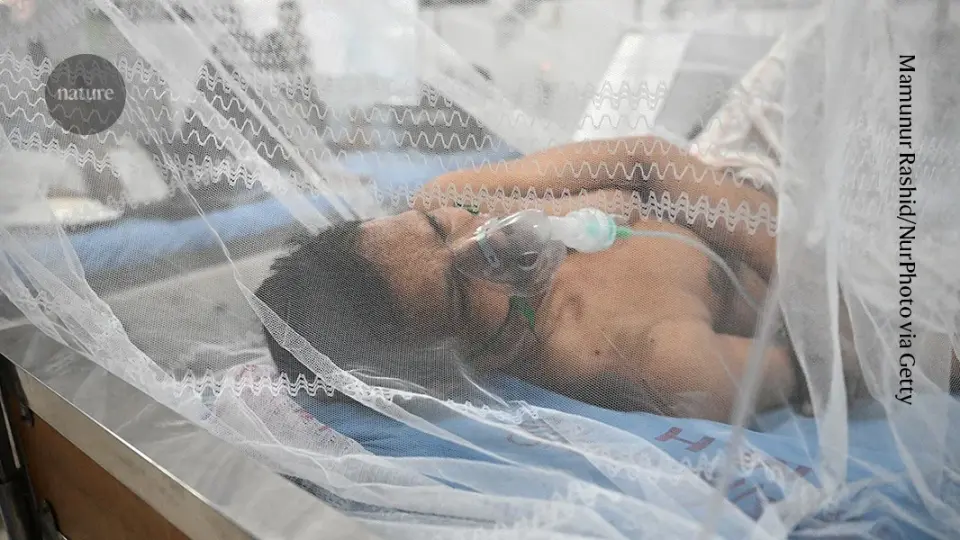
A phase 1 human challenge trial involving 45 volunteers has provided critical insights into why secondary dengue infections are often more severe than the first. Published in Science Translational Medicine, the study reveals that pre-existing immunity can either enhance viral replication or promote balanced immune responses, depending on the specific antibodies present. These findings aim to guide the development of safer, broader vaccines for a disease that infects up to 400 million people annually.
Key points
- Researchers at the National Institute of Allergy and Infectious Diseases led a controlled trial exposing 45 healthy adults to a weakened DENV-3 strain.
- Participants were categorized by their prior infection history: none, one, or multiple dengue serotypes.
- The study found that antibodies enhancing viral replication led to higher viral loads and reduced CD8 T-cell responses.
- Conversely, high levels of antibodies against nonstructural protein 1 correlated with lower viral loads and balanced immune activation.
- The results confirm hypotheses about antibody-dependent enhancement and identify markers for long-lasting protection against all four dengue serotypes.
Background
Dengue remains a significant global health threat, with approximately 40,000 deaths annually. Previous vaccine efforts, such as the 2016 rollout in the Philippines, faced setbacks when vaccinated children developed severe cases, highlighting the dangers of incomplete immunity. While animal models have limitations and patient data often reflects post-peak viral loads, this human challenge trial offers a direct view of immune dynamics in a controlled setting.
How outlets are covering it
Nature emphasizes the broader public health implications, noting that dengue is no longer a 'neglected tropical disease' but a global concern. Genetic Engineering and Biotechnology News highlights the potential for these findings to inform the design of broadly protective vaccines and therapeutics. News-Medical and UA.NEWS focus on the technical specifics, detailing how different antibody profiles dictate viral replication and immune response outcomes. All sources agree that the study resolves long-standing questions about why secondary infections are more severe, providing a biological basis for improved vaccine strategies.
Why it matters
Understanding the precise immunological mechanisms behind dengue’s severity is crucial for developing vaccines that do not inadvertently increase the risk of severe disease. By identifying which antibody responses lead to protection versus enhancement, scientists can design immunizations that ensure broad, long-lasting immunity against all four dengue serotypes, potentially reducing the global burden of this mosquito-borne illness.
What to watch
Researchers will use these insights to refine vaccine candidates and therapeutic approaches. Future studies may focus on optimizing the balance between neutralizing antibodies and T-cell responses to prevent antibody-dependent enhancement while ensuring robust protection against multiple dengue strains.
- Dengue comes back even in vaccinated people — new clues Nature
- Trial with 45 volunteers reveals immunity’s role in dengue — News-Medical UA.NEWS
- Human Dengue Study Reveals How Preexisting Immunity Shapes Secondary Infections Genetic Engineering and Biotechnology News
- Explainer: Why a second dengue infection can be more dangerous than the first The Eastleigh Voice
- Human challenge study reveals how preexisting immunity affects dengue News-Medical
Want the full story? Read the original reporting
Read on Nature