
Human Stem Cell Model Mimics Multiple Sclerosis Myelin Damage and Repair
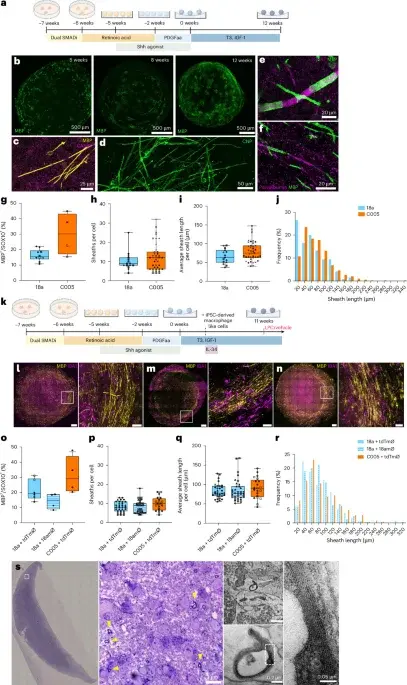
Researchers have developed a human-induced pluripotent stem cell (iPSC) spheroid model that accurately simulates myelin damage and repair in the central nervous system. This system allows for the study of remyelination processes, including microglial response and oligodendrocyte regeneration, offering a new platform for drug screening in multiple sclerosis.
Key points
- The model uses iPSCs to create spheroids containing mature myelinating oligodendrocytes and reactive microglia, mimicking human central nervous system development.
- Exposure to lysolecithin (LPC) induces demyelination, characterized by myelin fragmentation and microglial phagocytosis of debris, similar to multiple sclerosis lesions.
- Single-cell RNA sequencing reveals gene expression changes in the model that correlate with active multiple sclerosis lesions in human postmortem tissue.
- The model demonstrates that newly generated oligodendrocytes contribute to remyelination, though the resulting myelin is thinner than in healthy controls.
- Treatment with clemastine, an existing drug, significantly increased the proportion of newly generated myelinating oligodendrocytes, validating the model's utility for drug screening.
Background
This research builds on previous advancements in iPSC technology, such as the 2026 study on neural stem cells restoring movement in stroke-damaged mice and the 2026 Chinese trial showing heart function improvements with iPSC-derived cells. It also aligns with the 2026 discovery of stem cell targets for spinal disorders, highlighting the growing potential of stem cell models in understanding and treating various conditions.
Why it matters
The lack of approved therapies for myelin repair in multiple sclerosis is a major barrier to treatment. This new model provides a human-relevant system to study the complex processes of myelin damage and repair, which are difficult to replicate in animal models. By offering a platform for drug screening, it could accelerate the development of therapies that promote remyelination, potentially leading to better outcomes for patients with multiple sclerosis and other demyelinating diseases.
What to watch
Researchers will likely use this model to screen for new drugs that promote remyelination and to further investigate the mechanistic insights into disease pathways. The model's ability to recapitulate human myelin biology could lead to a better understanding of the disease and the development of more effective treatments.
Want the full story? Read the original reporting
Read on Nature