
Neanderthal DNA Deletion Linked to Smaller Brain Lobes and Reduced Schizophrenia Risk
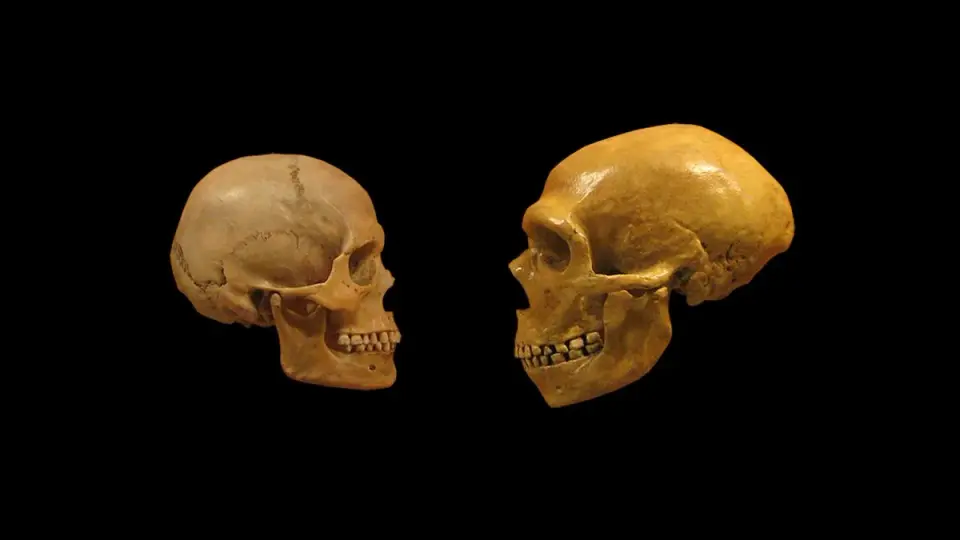
A study by Max Planck Institute researchers identifies a four-letter DNA deletion on chromosome 14, inherited from Neanderthals, that is associated with smaller occipital lobes in modern humans. This genetic variant, located near the DAAM1 gene, correlates with a 5-10% lower risk of schizophrenia but shows no link to general intelligence or educational attainment.
Key points
- Hugo Zeberg and Svante Pääbo identified a specific Neanderthal-inherited genetic variant associated with occipital lobe volume.
- The variant is a four-letter deletion on chromosome 14, situated near the DAAM1 gene involved in brain development.
- Carriers of the variant have occipital lobes approximately 0.85 cubic centimeters smaller per copy.
- The deletion is linked to a 5% lower schizophrenia risk per copy, or nearly 10% for those with two copies.
- No significant association was found between the variant and general cognitive ability or educational attainment.
Background
Recent research has highlighted the complex interplay between ancient genetic elements and modern brain function. For instance, studies have shown that ancient viral DNA can silence genes affecting neural maturation, contributing to human-chimp brain divergence. Additionally, the human brain gene BC200 has been found to retain mobility and insert itself into viruses, challenging assumptions about gene stability. These findings underscore the dynamic nature of genetic inheritance and its impact on contemporary biology.
Why it matters
This research clarifies that Neanderthal DNA continues to influence modern human brain structure and psychiatric health outcomes. It demonstrates that specific inherited variants can have measurable effects on brain anatomy and disease risk, while cautioning against equating brain region size with cognitive abilities. Understanding these genetic links helps refine models of brain development and mental health predispositions.
What to watch
Researchers will continue investigating the mechanisms by which the Neanderthal variant influences brain development, particularly its interaction with the DAAM1 gene. Further studies may clarify whether the reduced schizophrenia risk is directly related to occipital lobe volume or other factors, providing deeper insights into the evolutionary origins of human brain structure.
Want the full story? Read the original reporting
Read on Yahoo