
Neanderthal DNA Variant Linked to Smaller Occipital Lobes and Lower Schizophrenia Risk
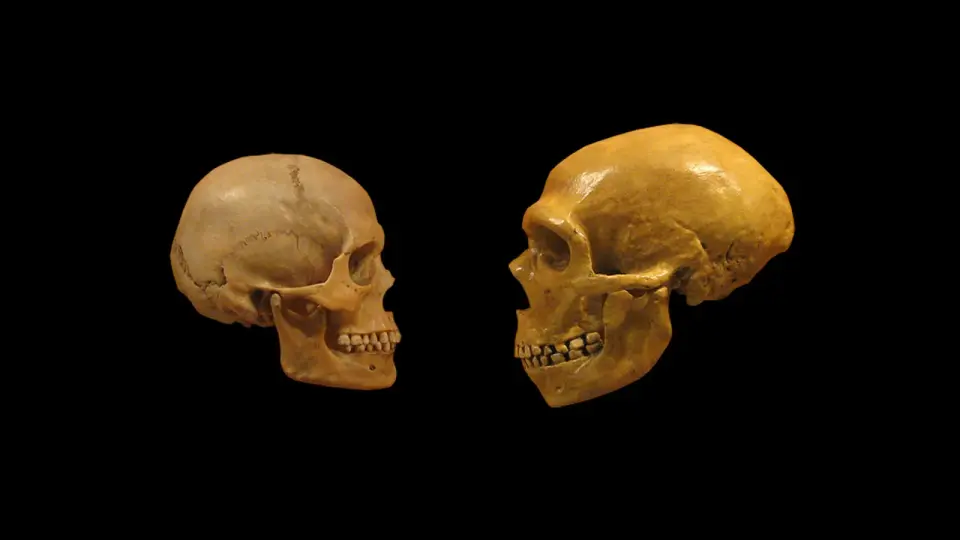
A new study identifies a specific Neanderthal-inherited DNA deletion on chromosome 14 that is associated with smaller occipital lobes in modern humans and a reduced risk of schizophrenia. Researchers from the Max Planck Institute for Evolutionary Anthropology found that this genetic variant, located near the DAAM1 gene, likely entered the human genome through interbreeding events approximately 47,000 years ago. While the variant correlates with a 5-10% lower risk of schizophrenia, it shows no significant link to general intelligence or educational attainment. The findings suggest that Neanderthal genetic contributions continue to influence brain structure and psychiatric health outcomes in contemporary populations, though the exact mechanism remains under investigation.
Key points
- A four-letter DNA deletion on chromosome 14, inherited from Neanderthals, is associated with a reduction in occipital lobe volume of approximately 0.85 cubic centimeters per copy.
- Individuals carrying two copies of this variant have nearly 10% lower odds of developing schizophrenia, according to data from the Psychiatric Genomics Consortium.
- The variant is found in populations outside sub-Saharan Africa, consistent with Neanderthal interbreeding occurring after modern humans migrated out of Africa.
- The genetic segment is located near the DAAM1 gene, which plays a role in brain development, but the precise interaction between the variant and the gene is not yet fully understood.
- No significant associations were found between the variant and general cognitive ability, educational attainment, or other psychiatric conditions such as depression or bipolar disorder.
Background
This discovery follows recent research into how ancient genetic elements, such as viral DNA and mobile genes like BC200, have shaped human brain evolution. While previous studies focused on viral insertions or gene mobility, this research highlights the impact of archaic human interbreeding on specific brain regions. The occipital lobe, responsible for visual processing, has long been a point of interest due to differences in skull shape between Neanderthals and modern humans. This study adds to the growing body of evidence that Neanderthal DNA influences modern human health and anatomy, building on earlier findings that linked Neanderthal genes to immune function and other physical traits.
How outlets are covering it
ScienceAlert and Scientific American both report on the study published in PNAS, confirming the link between the Neanderthal variant and reduced schizophrenia risk. However, they emphasize different aspects: ScienceAlert focuses on the evolutionary detective work, highlighting how the length of the DNA segment (60,000 letters) proves recent interbreeding rather than a common ancestor. Scientific American places more weight on the clinical implications, noting the specific 10% risk reduction for those with two copies and the lack of association with other mental health disorders. Both outlets agree that the variant’s location near DAAM1 is a key clue, but neither claims certainty about the causal mechanism. Scientific American also notes that the interbreeding likely occurred in a single major event around 47,000 years ago, a detail less emphasized in the ScienceAlert summary.
Why it matters
This research provides concrete evidence that Neanderthal DNA continues to influence modern human brain structure and psychiatric risk. By identifying a specific genetic variant linked to both brain anatomy and schizophrenia, the study helps bridge the gap between evolutionary history and contemporary health outcomes. It also cautions against equating brain region size with cognitive ability, as the variant showed no link to intelligence. Understanding these genetic influences can improve personalized medicine and mental health interventions, while also refining our understanding of human evolution and the legacy of interbreeding with archaic humans.
What to watch
Researchers Hugo Zeberg and Svante Pääbo plan to continue searching the genome for other consequential Neanderthal DNA segments. They expect to identify additional variants that may influence brain development or health outcomes. Further studies will likely aim to clarify the exact mechanism by which the DAAM1 gene interacts with the Neanderthal variant and whether the reduced schizophrenia risk is directly tied to the smaller occipital lobe or other factors. As more ancient DNA is sequenced, scientists may uncover additional links between archaic human genetics and modern diseases.
- A Gene Inherited From Neanderthals Is Still Shaping Human Brains – And May Affect Schizophrenia Risk ScienceAlert
- Neanderthal DNA linked to lower risk of schizophrenia in modern humans Scientific American
- Neanderthal gene variant shrinks occipital lobe and lowers schizophrenia risk Chosunbiz
- Neanderthal gene linked to smaller brains — but there’s an upside The Times
- Neanderthal DNA Tucked in Our Genes Shrinks a Brain Region and Lowers Schizophrenia Risk Around Prague
Want the full story? Read the original reporting
Read on ScienceAlert