
New Gut-Brain Link Points to ALS/FTD Treatments
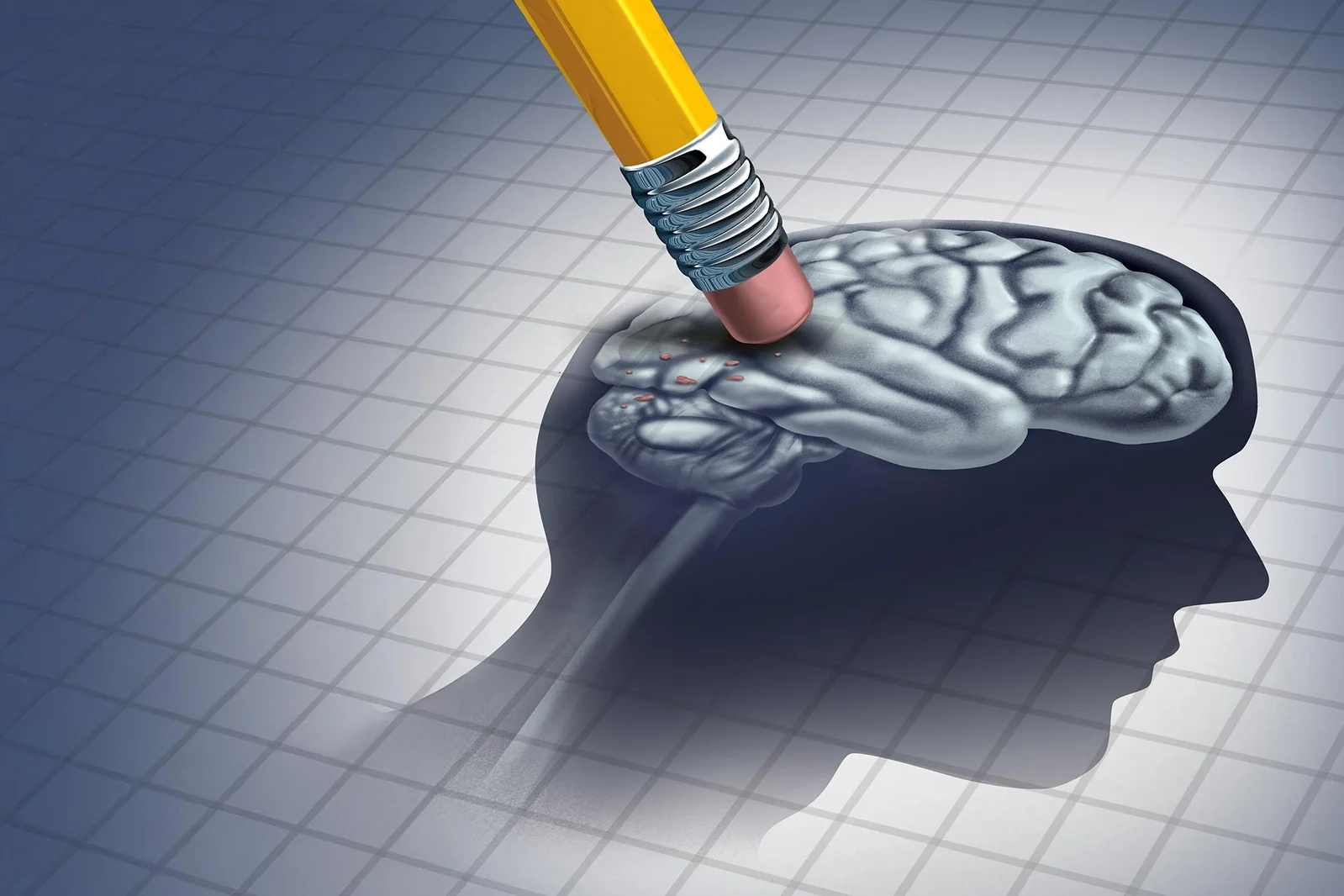
Case Western Reserve University researchers report a gut-brain connection in ALS and frontotemporal dementia (FTD): harmful gut bacteria may produce inflammatory glycogen-like sugars that trigger immune responses damaging brain cells. In a study of 23 ALS/FTD patients, about 70% had high levels of these sugars versus roughly 33% of controls, suggesting gut microbes could act as an environmental trigger, especially in C9orf72 mutation carriers. The work identifies potential biomarkers and gut-targeted therapies, including degrading the sugars and modulating gut-brain signaling, with germ-free mouse models and a novel sterile housing system enabling larger-scale studies; preliminary results hint that reducing these sugars could improve brain health and may lead to clinical trials within a year.
- Gut Bacteria Discovery Could Change How Doctors Treat ALS and Dementia SciTechDaily
- Intestinal interoceptive dysfunction drives age-associated cognitive decline Nature
- Enhancing gut-brain communication reversed cognitive decline, improved memory formation in aging mice Stanford Medicine
- The gut microbiome may influence brain aging, mouse study suggests Scientific American
- High-fat diets let gut bacteria enter the brain futurity.org
Reading Insights
0
61
7 min
vs 8 min read
93%
1,538 → 113 words
Want the full story? Read the original article
Read on SciTechDaily