
New Study Links Alzheimer’s Risk Gene CASS4 to Brain Immune Cell Failures
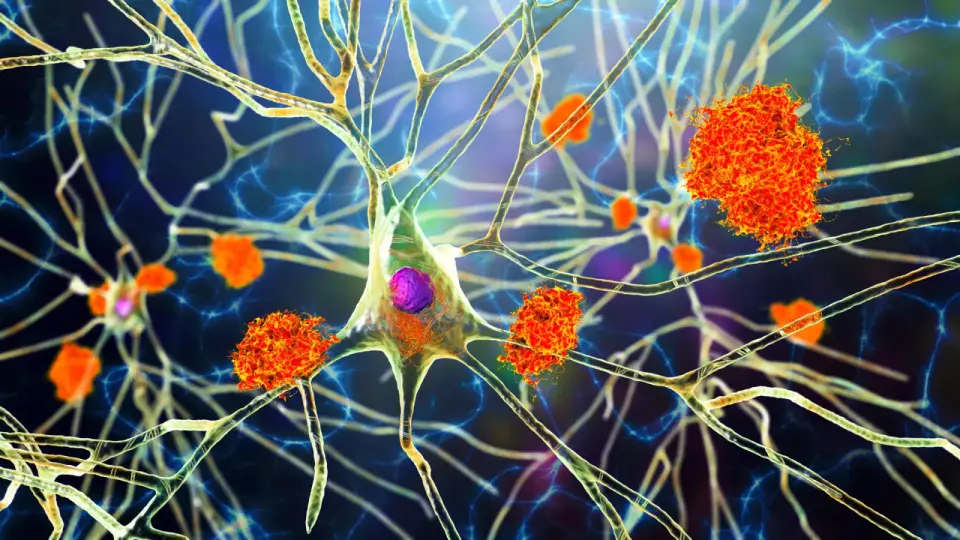
Researchers at the University of Virginia have identified a specific mechanism by which the Alzheimer’s risk gene CASS4 influences brain health. The study reveals that CASS4 regulates microglia, the brain’s immune cells, enabling them to contain toxic protein plaques. When CASS4 function is disrupted in mice, plaque accumulation accelerates and cognitive flexibility declines, suggesting a new therapeutic target for the disease.
Key points
- CASS4 is a known genetic risk factor for Alzheimer’s, but its function was previously unknown.
- The gene regulates microglia, which normally surround and compact amyloid-beta plaques to limit damage.
- Mice lacking CASS4 showed larger, looser plaques and worse nerve fiber damage.
- CASS4-deficient mice exhibited reduced cognitive flexibility, specifically in adapting to changed tasks.
- The findings suggest CASS4 activity could serve as an early biomarker for the disease.
- Therapies targeting CASS4 or microglial function may offer a new treatment avenue.
Background
This research builds on a broader trend of identifying the role of the brain’s immune system in neurodegenerative diseases. Earlier studies in 2026 highlighted the importance of glymphatic waste clearance and other immune-related mechanisms in reducing tau protein accumulation. The current findings add to a growing body of evidence that microglia are central to disease progression, shifting focus from neurons to immune cells in therapeutic development.
How outlets are covering it
The University of Virginia team, led by John Lukens, emphasizes that CASS4’s primary role is in the immune system, not neurons, as previously assumed. This challenges the traditional view that genetic risk factors act directly on neurons. In contrast, a separate study by the University of Bristol focuses on APOE4, another major risk gene, and has successfully converted it to the lower-risk APOE3 form in human immune cells in a lab setting. While the UVA study is in mice, the Bristol work is in human cells but has not been tested in animals or people. A large-scale genetic study published in Nature also highlights the role of microglia, identifying 127 new risk loci, 48 of which were previously unknown. This study confirms that immune processes are a major driver of Alzheimer’s risk, supporting the UVA findings. The perspectives differ in the stage of research and the specific genes targeted, but all agree on the importance of the immune system in Alzheimer’s.
Why it matters
The identification of CASS4’s function provides a new target for developing treatments for Alzheimer’s disease. By understanding how the brain’s immune cells fail to contain toxic plaques, researchers can develop therapies that strengthen these defenses. This could lead to new drugs that slow or prevent the disease, potentially offering a new approach to a condition that affects over 6 million Americans. The potential for CASS4 to serve as an early biomarker could also improve early detection and intervention.
What to watch
The next steps for the UVA team include exploring the role of CASS4 in other neurodegenerative diseases, such as Parkinson’s and ALS. They are also developing novel strategies to therapeutically target CASS4, with the goal of creating first-in-class drugs for clinical trials. The Bristol team is working on delivering their gene-editing tools to the brain, with first-in-human testing estimated to be five to 10 years away. Further research is needed to determine if targeting CASS4 can produce similar protective effects in humans and to test the human genetic variants directly.
- Alzheimer’s breakthrough exposes a hidden flaw in the brain’s cleanup system ScienceDaily
- Bristol team converts Alzheimer's highest-risk gene variant in patient cells—but human trials may still be years away Medical Daily
- Alzheimer’s Breakthrough Targets Genes That May Raise Risk up to 12 Times Yahoo
- Genetic study on Alzheimer's identifies new risk loci Lab + Life Scientist
- Scientists finally pin down what a mysterious Alzheimer’s gene does PsyPost
Want the full story? Read the original reporting
Read on ScienceDaily