
Obesity Leaves a Lasting Imprint in Fat-Cell Immune Cells, Slowing Weight Loss
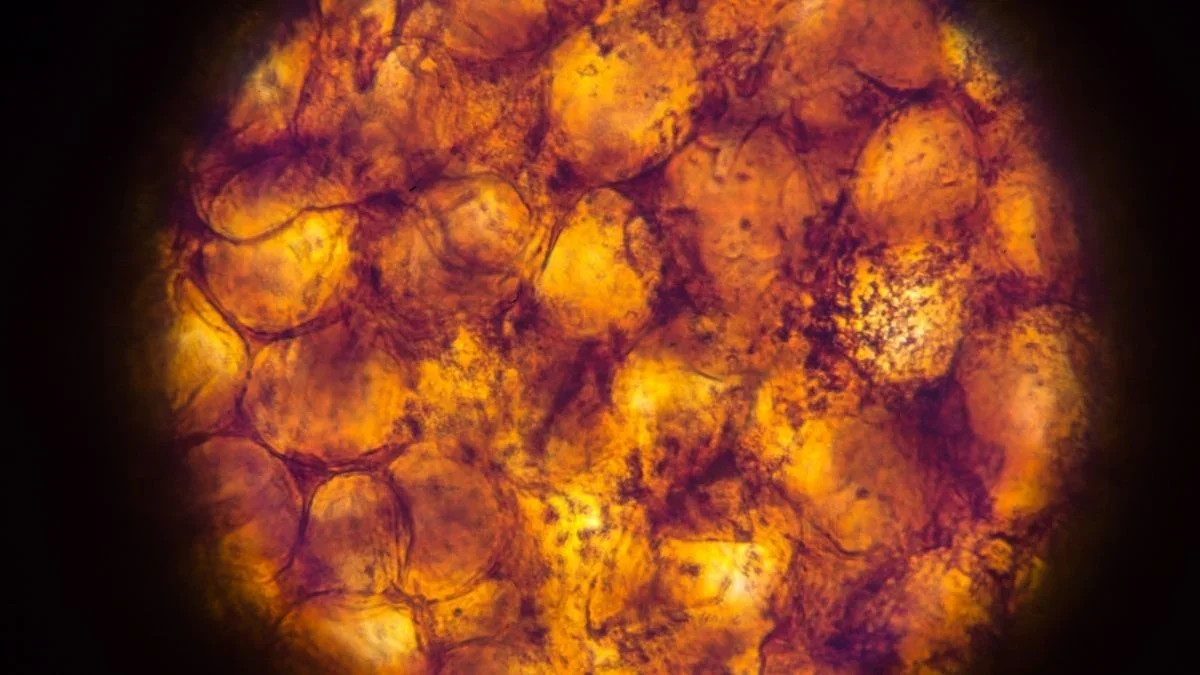
A Science Translational Medicine study in mice shows obesity induces persistent changes in adipose tissue macrophages (ATMs) via altered mRNA splicing, creating an “obesity memory” that remains after weight loss and hinders fat breakdown. Reduced nuclear CWC22 splicing editor activity correlates with lasting gene-splicing changes, and altered Scarb1 impairs efferocytosis, leading to more dead cells and lower inosine, which dampens lipolysis. While largely based on animal data with some human cell validation, the findings suggest that targeting RNA splicing could be a future strategy to counteract obesity memory, though effective therapies are not yet available.
Reading Insights
0
10
5 min
vs 6 min read
91%
1,005 → 95 words
Want the full story? Read the original article
Read on ScienceAlert