Tag

Adipose Tissue

All articles tagged with #adipose tissue

Obesity Leaves a Lasting Imprint in Fat-Cell Immune Cells, Slowing Weight Loss
science1 month ago

Obesity Leaves a Lasting Imprint in Fat-Cell Immune Cells, Slowing Weight Loss

A Science Translational Medicine study in mice shows obesity induces persistent changes in adipose tissue macrophages (ATMs) via altered mRNA splicing, creating an “obesity memory” that remains after weight loss and hinders fat breakdown. Reduced nuclear CWC22 splicing editor activity correlates with lasting gene-splicing changes, and altered Scarb1 impairs efferocytosis, leading to more dead cells and lower inosine, which dampens lipolysis. While largely based on animal data with some human cell validation, the findings suggest that targeting RNA splicing could be a future strategy to counteract obesity memory, though effective therapies are not yet available.


Calorie restriction may slow aging by taming immune protein C3
science1 month ago

Calorie restriction may slow aging by taming immune protein C3

In the NIH CALERIE trial, adults cutting calories by about 11–14% for two years showed a drop in the immune protein C3 in plasma. The study traced C3 back to age-related white adipose tissue, produced mainly by age-associated macrophages, and found that lowering C3 might reduce chronic inflammation linked to aging. In mice, pharmacologically inhibiting C3 decreased age-related inflammation, suggesting that the benefits of calorie restriction could be mimicked without weight loss. Researchers are now evaluating FDA-approved C3 inhibitors as a potential way to extend healthy lifespan while preserving immune function.

Aging reveals a new fat-making stem cell driving belly fat growth
sciencehealth3 months ago

Aging reveals a new fat-making stem cell driving belly fat growth

City of Hope and UCLA researchers identify a middle-age–specific stem cell population called committed preadipocytes (CP-As) that arise from adipocyte progenitor cells and markedly generate new fat cells in the belly; the process is driven by LIFR signaling, with mouse experiments showing aged APCs produce many new fat cells, and similar CP-A–like cells found in human tissue, suggesting a potential target to curb age-related belly fat.

Fat-Cell Gatekeeper HSL Reveals Hidden Role in Adipose Health
science4 months ago

Fat-Cell Gatekeeper HSL Reveals Hidden Role in Adipose Health

Researchers found that hormone-sensitive lipase, long viewed solely as a fat-mobilizing enzyme, also enters the nucleus of fat cells to regulate adipose tissue health. This nuclear role helps explain why HSL deficiency leads to lipodystrophy and how fat-tissue dysfunction links obesity with metabolic disease, potentially opening new paths to treat obesity by targeting fat-cell health rather than weight alone.

Hidden in the nucleus, a fat-burning protein rewrites obesity biology
health-and-medicine5 months ago

Hidden in the nucleus, a fat-burning protein rewrites obesity biology

Scientists found that hormone-sensitive lipase (HSL), long known for releasing fat, also operates inside the nucleus of fat cells to maintain healthy adipose tissue and regulate metabolic processes. Loss of this nuclear HSL leads to lipodystrophy rather than obesity, helping explain why fat quality matters and suggesting obesity therapies should aim to preserve fat‑cell function, not just reduce fat mass.

From Storage to Heat: Harnessing Fat's Energy-Burning Power for Weight Loss
science-tech7 months ago

From Storage to Heat: Harnessing Fat's Energy-Burning Power for Weight Loss

Fat is not just storage: brown fat burns calories to generate heat, beige fat can arise within white fat, and both offer targets for obesity therapies. The next generation of treatments may combine GLP-1–based appetite suppression with methods to boost energy expenditure across fat, muscle, and liver, aiming for more durable weight loss while avoiding hunger-driven compensation. This reframes fat as a dynamic metabolic organ and points to a multi-tissue, precision approach to energy balance.

Adipose Tissue's Role in Cognitive Function Unveiled by Study
health3 years ago

Adipose Tissue's Role in Cognitive Function Unveiled by Study

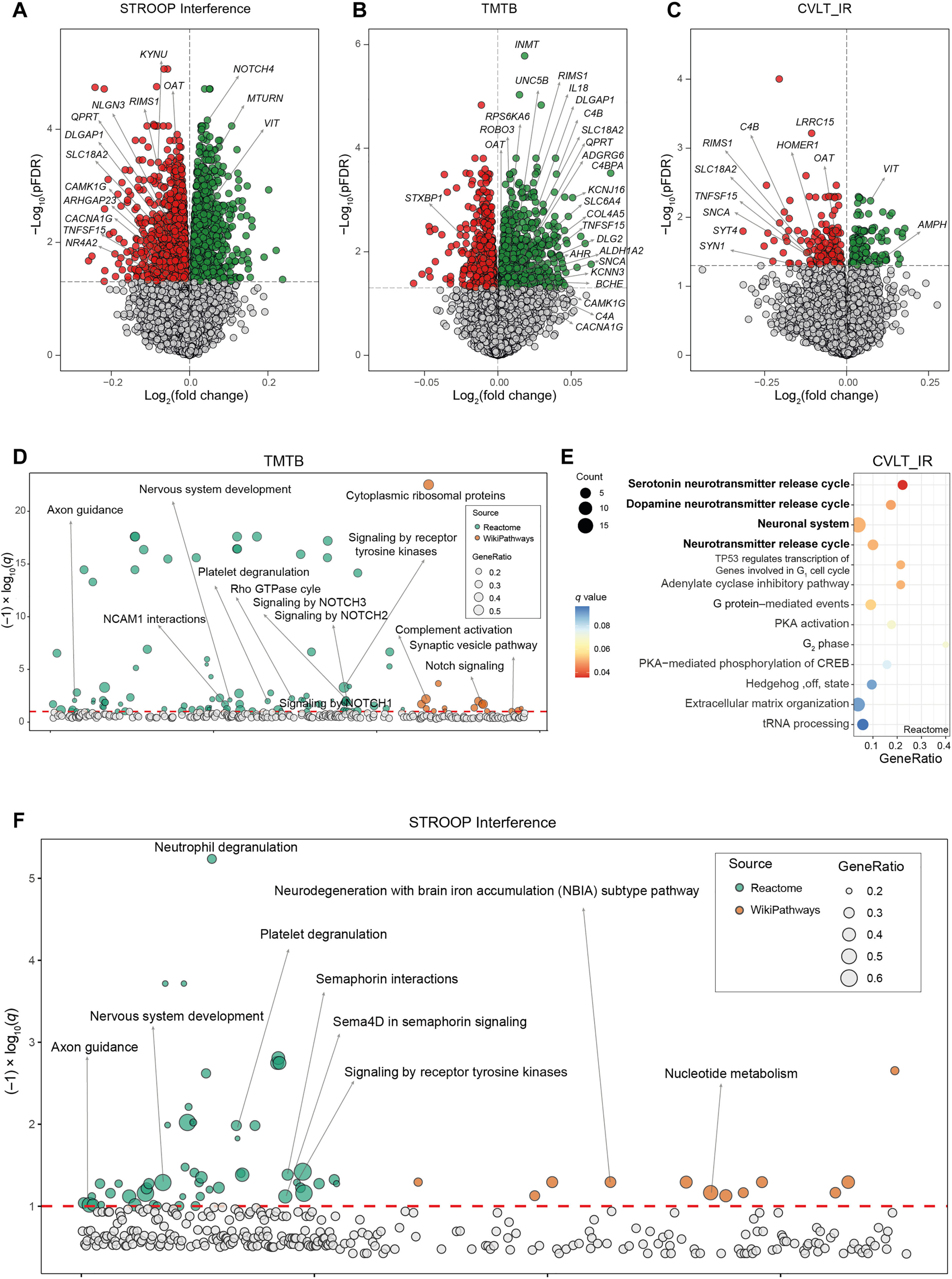
A study conducted by researchers at the University of Girona in Spain has found that adipose tissue (fat tissue) plays a role in co-regulating cognitive function. The study identified 188 genes associated with cognitive performance through RNA sequencing of adipose tissue in three patient cohorts. These genes were linked to synaptic function, anti-inflammatory signaling, vitamin metabolism, phosphatidylinositol metabolism, and the complement cascade. The researchers also found that targeted misexpression of candidate genes in fruit flies and mice significantly altered memory and learning. The study provides insights into the adipose-brain axis and potential diagnostic and therapeutic targets in adipose tissue.