
Tag

Alternative Splicing

All articles tagged with #alternative splicing

Obesity Leaves a Lasting Imprint in Fat-Cell Immune Cells, Slowing Weight Loss
science1 month ago

Obesity Leaves a Lasting Imprint in Fat-Cell Immune Cells, Slowing Weight Loss

A Science Translational Medicine study in mice shows obesity induces persistent changes in adipose tissue macrophages (ATMs) via altered mRNA splicing, creating an “obesity memory” that remains after weight loss and hinders fat breakdown. Reduced nuclear CWC22 splicing editor activity correlates with lasting gene-splicing changes, and altered Scarb1 impairs efferocytosis, leading to more dead cells and lower inosine, which dampens lipolysis. While largely based on animal data with some human cell validation, the findings suggest that targeting RNA splicing could be a future strategy to counteract obesity memory, though effective therapies are not yet available.
"New Study Links Rapidly Aging Brain Cells to Alzheimer's Disease"
health-and-medicine2 years ago

"New Study Links Rapidly Aging Brain Cells to Alzheimer's Disease"

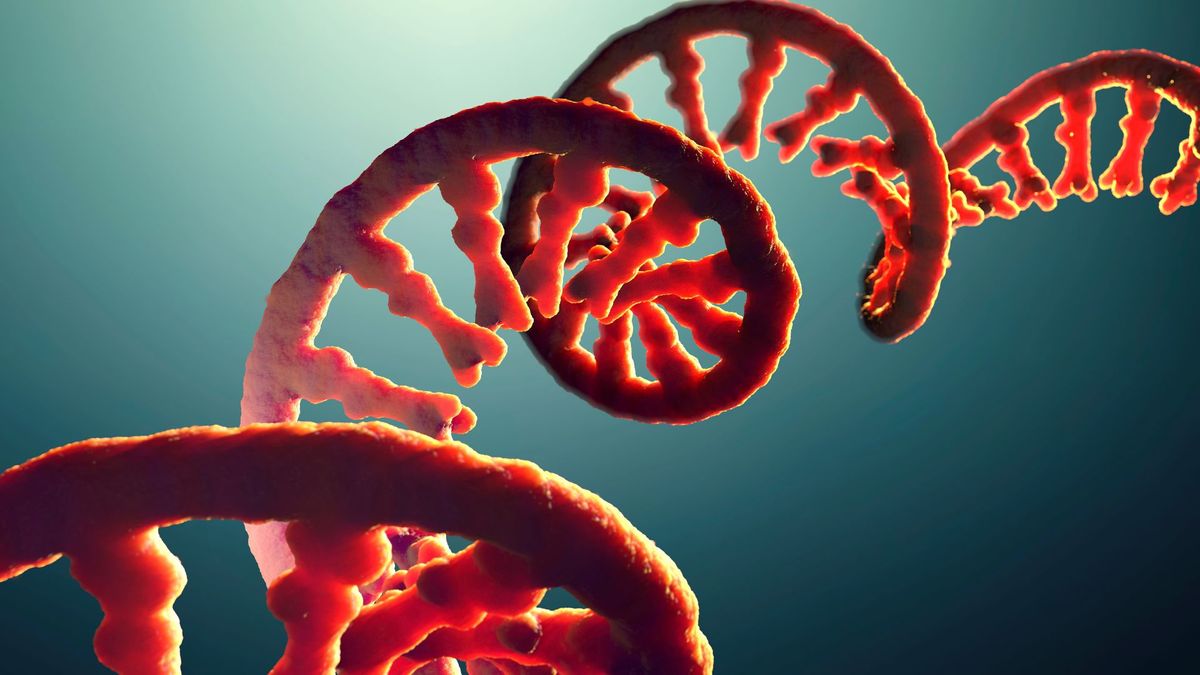
New research suggests that different versions of RNA molecules, created through a process called alternative splicing, may play a significant role in Alzheimer's disease. The study identified 700 previously unknown RNA isoforms in human brain tissue, with nearly 100 showing different levels in Alzheimer's patients compared to those without the disease. This discovery could lead to new treatments and early detection methods for Alzheimer's.

"Breakthrough: Low-cost Technology Enables Precise Long-Read RNA Sequencing"
science-and-technology3 years ago

"Breakthrough: Low-cost Technology Enables Precise Long-Read RNA Sequencing"

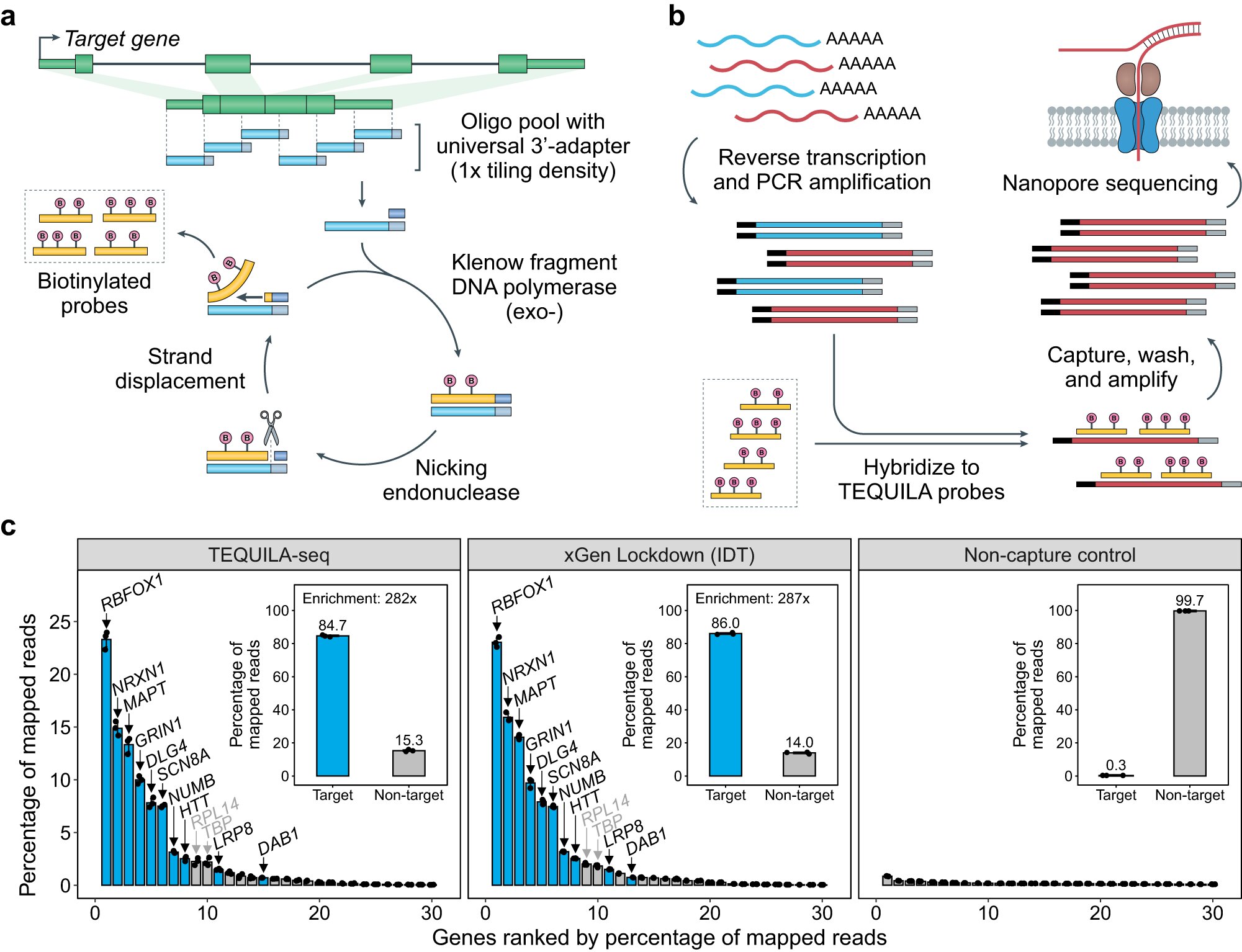
Researchers at Children's Hospital of Philadelphia (CHOP) have developed TEQUILA-seq, a versatile and low-cost technology for targeted sequencing of full-length RNA molecules. This technology allows for accurate accounting of transcript isoforms, which is crucial for understanding alternative splicing and its role in diseases like cancer. TEQUILA-seq utilizes a cost-effective method for synthesizing capture probes and can be adapted for different research and clinical purposes. It has the potential to accelerate the discovery of new diagnostics and treatments for various diseases.