
Medieval Parchment Reveals 3,700-Year History of Sheep Pox Virus
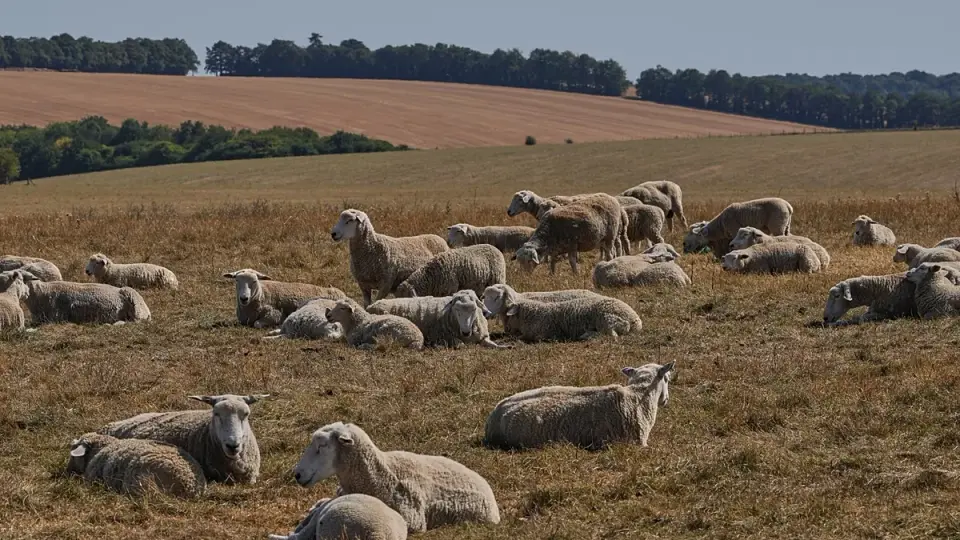
Researchers at University College Dublin have extracted sheeppox virus DNA from medieval manuscripts, revealing the pathogen has infected livestock for over 3,700 years. The study, published in Science Advances, shows that parchment made from infected animal skins preserves viral genetic material, offering a new method to track the evolution of livestock diseases.
Key points
- An international team led by University College Dublin scientists extracted sheeppox virus DNA from the animal skins used to create medieval parchment.
- The study analyzed manuscripts from major European libraries, including the 1,000-year-old York Gospels and the Corpus Glossary, finding viral traces on multiple pages of the same texts.
- By comparing manuscript DNA with samples from Bronze Age sheep teeth, researchers determined the virus diverged from goatpox and lumpy skin disease between 11,500 and 3,700 years ago.
- The research indicates the sheeppox genome has remained genetically stable over the last few millennia, unlike smallpox, suggesting early genetic changes were critical to its host adaptation.
- The findings suggest that archives worldwide may contain similar genetic traces of past animal disease outbreaks, turning historical documents into biological time capsules.
Background
This discovery builds on recent archaeological interest in medieval materials, such as the 2026 finding of repurposed manuscript fragments in Guernsey that highlighted the widespread recycling of parchment. While previous studies focused on the cultural or literary value of these texts, this research shifts the focus to their biological preservation capabilities, offering a new lens for understanding historical livestock health.
How outlets are covering it
Euronews and Archaeology Magazine emphasize the broad implications for global archives, noting that libraries worldwide may hold similar genetic evidence of past outbreaks. Ars Technica provides detailed historical context, citing Roman accounts from the first century CE and 18th-century outbreaks in France and Britain, while highlighting the surprise finding of the virus in calfskin and goatskin. Nautilus focuses on the stability of the sheeppox genome compared to smallpox, interpreting the viral stability as a key factor in its long-term survival and host adaptation. All sources agree on the significance of the 3,700-year timeline and the interdisciplinary nature of the research team.
Why it matters
This study demonstrates that historical documents can serve as biological archives, providing a new tool for tracking the evolution of livestock diseases. Understanding the long-term stability of the sheeppox virus may help scientists develop better strategies to combat current outbreaks and prevent future pandemics in animal populations.
What to watch
Researchers plan to expand their analysis to other archives and libraries globally to uncover more genetic traces of past animal diseases. The findings may also lead to further studies on cross-species transmission, as the presence of the virus in calfskin and goatskin suggests potential historical crossover events.
- Sheep virus found hidden in medieval manuscripts euronews.com
- Medieval manuscripts are "biological time capsules" for deadly sheeppox virus Ars Technica
- Hidden DNA in medieval gospels reveals history of deadly livestock virus Phys.org
- News - Sheep Pox Virus Tracked With Medieval Parchment Archaeology Magazine
- Deadly Livestock Virus Found Lurking in Ancient Texts Nautilus | Science
Want the full story? Read the original reporting
Read on euronews.com