
Postmenopausal Ovaries Shift from Reproduction to Immune and Metabolic Roles
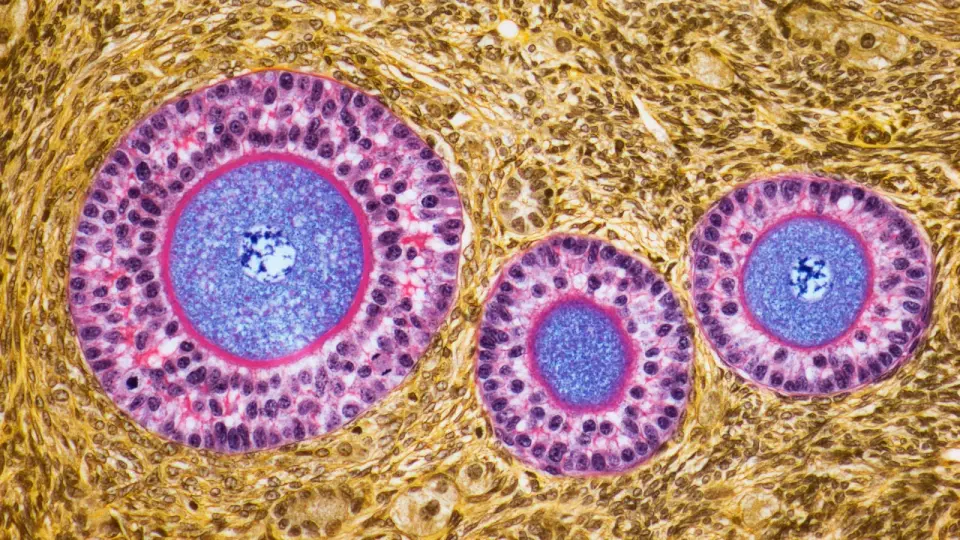
A new study in Aging Cell reveals that ovaries do not become inert after menopause but undergo significant protein shifts, influencing systemic aging and potentially increasing cancer risk.
Key points
- Researchers Francesca Duncan and Birgit Schilling found that postmenopausal ovaries remain biologically active, contradicting the view that they are merely dormant organs.
- The study analyzed mass spectrometry data from 28 healthy postmenopausal women, categorizing them into age groups of 50-59, 60-69, and 70+.
- Protein profiles shifted progressively with age: younger postmenopausal ovaries focused on RNA/DNA regulation and tissue structure, while older ovaries emphasized lipid metabolism, innate immunity, and inflammation.
- A core set of seventeen proteins characterized these age-related shifts, mirroring findings previously observed in mouse models.
- The aging ovary creates a fibrotic and inflammatory environment rich in collagen, which may serve as a 'third hit' for ovarian cancer alongside genetic and environmental factors.
- Proteins previously linked to ovarian cancer were abundant in the samples, particularly in women in their 60s, suggesting a potential therapeutic target for risk reduction.
Background
This research builds on earlier findings from Duncan’s mouse studies published earlier in 2026, which first suggested that ovarian protein profiles change with age. The current study extends these observations to human tissue, providing a roadmap for understanding the post-reproductive years as life expectancies continue to increase.
Why it matters
Understanding the postmenopausal ovary's role in systemic aging and inflammation could lead to new biomarkers for ovarian cancer and therapeutic interventions to mitigate age-related health risks in women.
What to watch
Researchers plan to use this initial roadmap to probe how the aging ovary influences other organs, such as the brain and bones, and to explore whether targeting the aging ovary can lower ovarian cancer risk.
Want the full story? Read the original reporting
Read on ScienceAlert