
Gut Neurons Linked to Both Constipation and Pain Identified in Mice
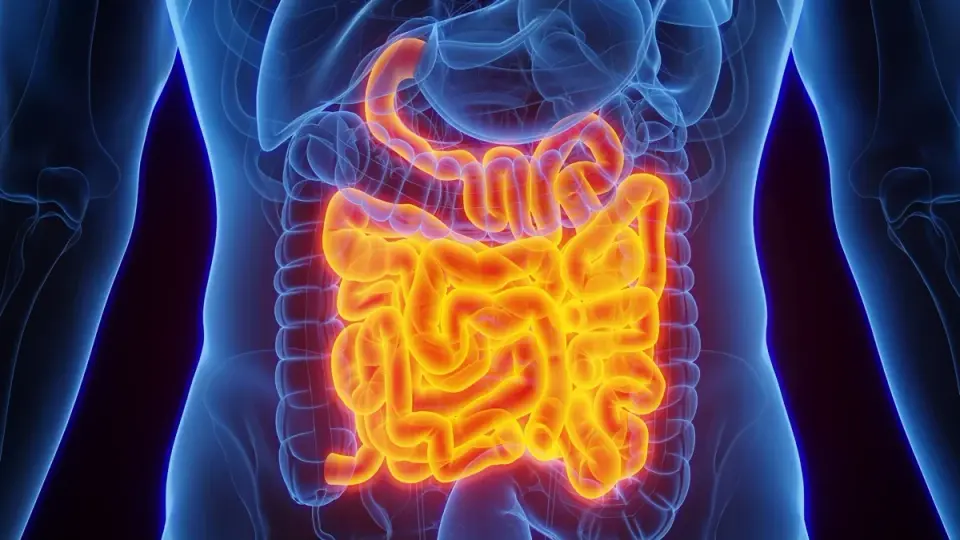
Researchers at Washington University School of Medicine identified a specific group of neurons in the mouse colon that may coordinate both bowel movement and pain perception. Activating these cells in isolated colons moved fecal pellets, while stimulating them in living mice triggered pain-related behaviors without changing stool output. The findings suggest these neurons, marked by the Pdyn gene, could be a shared mechanism for constipation and abdominal pain, potentially offering new targets for treating conditions like irritable bowel syndrome.
Key points
- A new bioRxiv preprint identifies Pdyn-expressing neurons in the mouse colon that may link motility and pain.
- In isolated colons, activating these neurons caused fecal pellets to move forward, demonstrating a direct role in motility.
- In living mice, activating the same neurons triggered freezing and eye-tightening behaviors associated with pain, but did not change stool output.
- The neurons exhibit rapid, burst-like electrical signaling and express cytokine receptors, suggesting they may also respond to inflammation.
- The study is a preprint and has not yet undergone peer review; human relevance remains unconfirmed.
Background
This discovery builds on a growing body of research linking the gut and brain. In June 2026, a study found that the constipation drug prucalopride improved cognitive function in depressed patients, highlighting the gut-brain axis. In July 2026, a framework was proposed linking gut microbes and nerves to constipation, and a small trial showed that a fiber blend eased chronic constipation. These earlier findings underscore the complex interplay between gut health, motility, and broader physiological responses.
How outlets are covering it
ScienceAlert reports the primary findings, emphasizing the dual role of Pdyn neurons in motility and pain. New Scientist and The Times of India provide broader context on the gut-brain axis, focusing on the microbiome's role in mental health and the enteric nervous system as a 'second brain.' The University of Arizona News highlights related research on gut-brain communication, specifically how 'neuropods' regulate appetite and satiety. While ScienceAlert focuses on a specific neuronal mechanism for constipation and pain, the other sources emphasize the broader, multifaceted connections between gut health, microbial composition, and neurological outcomes, including mood and cognitive function.
Why it matters
Understanding the neural mechanisms behind constipation and abdominal pain could lead to more targeted treatments for conditions like irritable bowel syndrome and chronic constipation. If these neurons are confirmed to play a similar role in humans, they could become a new therapeutic target for managing both motility issues and pain, potentially improving the quality of life for millions of patients.
What to watch
The findings are currently a bioRxiv preprint and require peer review and further validation. Future research will need to confirm whether these Pdyn-expressing neurons exist and function similarly in humans. Additionally, studies are needed to determine if these neurons directly respond to inflammation and to fully dissect how motility and pain functions are connected within the enteric nervous system.
- Scientists Find Neurons in The Gut That Could Be Driving Constipation And Pain ScienceAlert
- The stomach helps the brain form memories—this is how it may work Medical Xpress
- How exploring the gut microbiome could support mental health New Scientist
- Your second brain is in your gut: This World Brain Day, neurologist explains the hidden connection The Times of India
- By wiretapping the conversation between gut and brain, U of A researcher hopes to change the discussion around healthy eating University of Arizona News
Want the full story? Read the original reporting
Read on ScienceAlert