
Rare Gene Mutation Mimics GLP-1 Drugs by Boosting Fat Burn
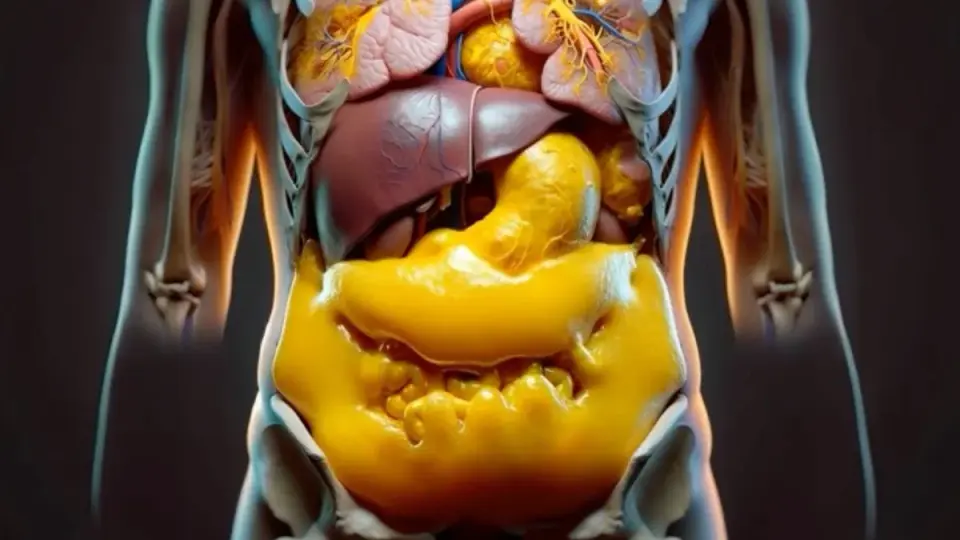
A rare mutation in the FNIP1 gene, found in roughly 1 in 7,000 people, appears to significantly lower the risk of cardiometabolic diseases by altering how the body processes energy. Published in Nature, the study analyzed over one million individuals across three continents and found that carriers of this loss-of-function variant have approximately 60% lower odds of developing conditions like type 2 diabetes and heart disease. The mutation disrupts a metabolic 'brake' that normally conserves energy, causing the body to burn fuel more efficiently and store less fat in the liver. While the genetic effect resembles the outcomes of GLP-1 drugs, experts caution that translating this into a safe therapy remains distant due to potential side effects from complete gene inhibition.
Key points
- Researchers identified rare protein-truncating mutations in the FNIP1 gene that are associated with a 60% reduction in cardiometabolic disease risk.
- The study included over 1,032,000 people from America, Europe, and Asia, with only about 155 individuals carrying the specific variant.
- Carriers of the mutation exhibit lower blood lipids, reduced liver fat, improved insulin sensitivity, and a healthier distribution of body fat.
- Laboratory and mouse experiments confirmed that silencing the FNIP1 pathway in the liver activates fat-burning genes and prevents diet-induced obesity.
- The mutation affects the folliculin-interacting protein 1, which normally works to conserve energy; its disruption releases a metabolic brake, increasing energy expenditure.
Background
This discovery builds on previous findings that cardiometabolic diseases are the leading cause of death globally, accounting for roughly one in three deaths in the US. Earlier reports from August 2026 highlighted similar findings regarding FNIP1 variants and their link to muscle mass and glucose metabolism. The current study expands on these by providing mechanistic evidence through liver cell and mouse models, confirming that the genetic variant influences fundamental energy machinery rather than just hormonal signaling.
How outlets are covering it
ScienceAlert and Scientific American both emphasize the potential of FNIP1 as a drug target, noting that the metabolic profile resembles the effects of GLP-1 drugs like Ozempic. However, they highlight a critical distinction: while GLP-1 drugs act via hormonal signaling, FNIP1 influences the body's core energy machinery. Scientific American adds a crucial safety caveat, noting that individuals with two broken copies of the gene are prone to heart disease and immune deficiency, suggesting that any future therapy must be carefully targeted, possibly only in the liver, to avoid negative health impacts. The Nature article provides the rigorous data backing these claims, detailing the exome-sequencing analysis and the specific biological pathways involved, such as the reduction of activin E, which helps regulate fat distribution.
Why it matters
Understanding the genetic basis of energy metabolism could lead to new therapeutic strategies for obesity and diabetes that address the root cause of fat storage rather than just managing symptoms. By identifying a natural 'brake' on energy expenditure, researchers can potentially develop drugs that safely mimic the protective effects of this rare mutation, offering a new avenue for treating cardiometabolic diseases that currently affect millions of people worldwide.
What to watch
Researchers will continue to investigate the safety and efficacy of targeting the FNIP1 pathway, particularly focusing on liver-specific inhibition to avoid the adverse effects associated with complete gene disruption. Further studies will aim to determine if pharmacological inhibitors can replicate the metabolic benefits seen in natural carriers of the mutation without causing the heart and immune issues observed in those with two broken copies.
- There's One Genetic Variant That Makes The Body Burn Fat Instead of Storing It ScienceAlert
- FNIP1 variants are associated with favourable metabolism in 1 million humans Nature
- People carrying a rare gene variant have naturally low body fat, healthier livers and better blood sugar levels Medical Xpress
- Scientists discover a ‘skinny gene’ mutation that acts like Ozempic Scientific American
- Geisinger's MyCode research helped identify target for treating obesity, cardiometabolic disease The Daily Item
Want the full story? Read the original reporting
Read on ScienceAlert