
Sixty Years of Plankton Logs Reveal Hidden History of Ocean Plastic
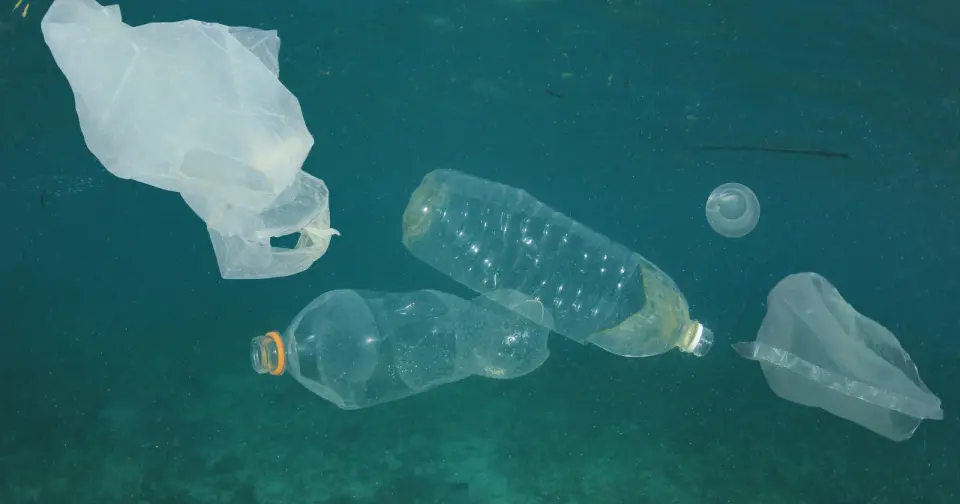
A 60-year archive of maintenance logs from a plankton-sampling device towed behind merchant ships has revealed a continuous record of ocean plastic pollution in the North Atlantic. The data, originally created to fix equipment jams, shows a sharp rise in macroplastic entanglements since the 1990s, offering a unique long-term perspective on marine debris trends.
Key points
- A team led by Clare Ostle at the Marine Biological Association analyzed 16,725 tows of the Continuous Plankton Recorder (CPR) between 1957 and 2016.
- The CPR, towed at 7 meters depth behind ferries and container ships, filters seawater through silk mesh; technicians logged faults when debris jammed the mechanism.
- Researchers identified 208 confirmed cases of macroplastic entanglement (debris larger than 5mm) within these maintenance notes, which were not designed for pollution monitoring.
- The first recorded instance was trawl twine off Iceland in 1957, followed by a plastic bag off Ireland in 1965.
- Entanglements remained rare until the 1990s, after which rates increased significantly, with post-2000 levels roughly ten times higher than the 1950s-1980s baseline.
- While early logs showed fishing gear, later records increasingly feature nets and rope, particularly in the North Sea, though plastic bag entanglements have declined since 2000.
Background
This finding builds on broader concerns regarding marine debris and the limitations of current monitoring methods. While beach surveys and river modeling are common, they often lack the temporal depth and consistency of the CPR logs. The archive provides a rare, unbroken timeline of surface-level macroplastic in the North Atlantic, complementing other evidence such as seabird ingestion records and Arctic seafloor litter counts. It underscores the potential for repurposing existing scientific infrastructure to address emerging environmental issues without new dedicated fleets or funding.
Why it matters
The discovery validates the importance of preserving historical maintenance records, as they can yield unexpected insights into long-term environmental trends. It demonstrates that consistent, incidental data collection can provide robust evidence of pollution increases that targeted studies might miss due to shorter timeframes or methodological gaps. This approach offers a cost-effective model for future environmental monitoring, suggesting that existing infrastructure can be leveraged to track issues like plastic pollution without additional resources.
What to watch
The Continuous Plankton Recorder survey continues to operate, with technicians still logging faults in the same manner as before. Researchers are now exploring whether other long-term maintenance archives, such as those from fisheries or oceanographic monitoring, contain similar hidden data on environmental changes. The CPR remains a key tool for tracking plankton communities, but its fault logs now serve as a secondary dataset for understanding the trajectory of ocean plastic pollution.
Want the full story? Read the original reporting
Read on Space Daily