Tag

North Atlantic

All articles tagged with #north atlantic

Europe Prepares for AMOC Collapse as 'Cold Blob' Signals Ocean Current Shift
science-and-environment4 days ago

Europe Prepares for AMOC Collapse as 'Cold Blob' Signals Ocean Current Shift

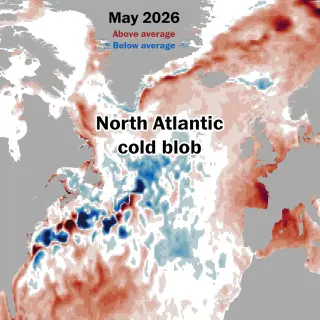
Scientists warn that the Atlantic Meridional Overturning Circulation (AMOC) may weaken or collapse sooner than expected, potentially disrupting European climate and economies. A 'cold blob' in the North Atlantic signals this shift, prompting European governments to treat the risk as a national security threat and invest in monitoring and adaptation.


AMOC May Act as an Ocean Heat Valve, Reframing Earth's Temperature Control
science27 days ago

AMOC May Act as an Ocean Heat Valve, Reframing Earth's Temperature Control

A Nature Geoscience study reframes the Atlantic Meridional Overturning Circulation (AMOC) as an 'ocean heat valve' that can either release heat to the atmosphere or trap heat in the ocean, depending on circulation strength. This dynamic could mean that future AMOC weakening might amplify global warming, while past abrupt climate shifts (D–O events) are explained by rapid changes in North Atlantic heat loss. The researchers used climate models to show heat flow acts more like a valve than a simple conveyor, and they caution that warmer, ice-free conditions may alter these mechanisms. More work is needed to determine if multiple stable AMOC states exist or if an irreversible collapse is possible.

AI to steer planes away from climate-warming contrails over the Atlantic
technology1 month ago

AI to steer planes away from climate-warming contrails over the Atlantic

Britain is launching Operation Blue Skies, a 30‑month trial using AI and satellite/flight data to predict where contrails form in Shanwick airspace and steer aircraft to avoid them by altering altitude (about 2,000 ft). Backed by Google, the Met Office, NATS and universities, the test during winters 2026–28 will affect around 10,000 flights, though only a fraction switch altitudes. If successful, it could yield a net climate benefit by reducing contrail warming, despite small increases in fuel use; results will be published later.

The North Atlantic 'cold blob' could reshape Europe’s weather, scientists warn
science3 months ago

The North Atlantic 'cold blob' could reshape Europe’s weather, scientists warn

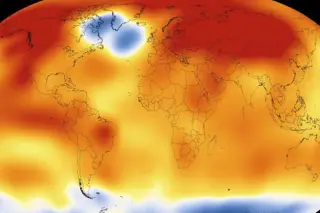
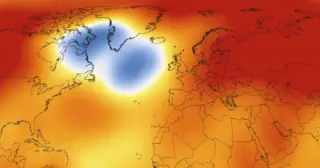
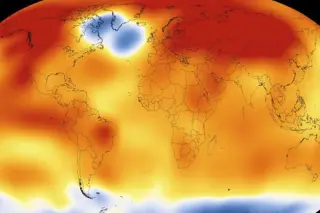
Ongoing heatwaves are shadowed by a large cool patch in the North Atlantic known as the “cold blob,” which scientists think may signal changes in the Atlantic Meridional Overturning Circulation (AMOC). Fresh Greenland meltwater and altered heat exchange could slow the sinking of warm water, weakening AMOC and nudging the jet stream, potentially bringing more European heatwaves in the near term while raising the possibility of colder European conditions if the current weakens further. The science is still debated on exact causes and timing, but climate models generally project some AMOC weakening this century, underscoring the need to cut greenhouse gas emissions to mitigate risk.

Cold Atlantic blob may fuel Europe’s heatwave, scientists say
science3 months ago

Cold Atlantic blob may fuel Europe’s heatwave, scientists say

A patch of unusually cold water in the subpolar North Atlantic, nicknamed the cold blob, has been linked to Europe’s heatwaves by influencing atmospheric circulation and the jet stream. While global temperatures rise, this region remains cooler due to ocean currents delivering less heat and Greenland meltwater adding freshwater, which may weaken the Atlantic Meridional Overturning Circulation (AMOC). Scientists warn that a further slowdown or collapse of the AMOC could bring harsher European winters, droughts elsewhere, and higher sea levels, though a cold Atlantic patch does not erase warming and extreme heat can persist under certain jet-stream patterns.

North Atlantic Cold Blob Signals Slower Ocean Conveyor
environment3 months ago

North Atlantic Cold Blob Signals Slower Ocean Conveyor

Scientists link a persistent cooling anomaly south of Greenland—the North Atlantic 'cold blob'—to a slowdown in the Atlantic Meridional Overturning Circulation (AMOC). A weaker AMOC could reduce the ocean's heat transport, shifting weather, storm tracks, and potentially accelerating sea-level rise along the U.S. East Coast, with the strongest impacts near Greenland, Iceland, and northern Europe.

Cold Atlantic Patch Signals a Possible AMOC Tipping Point
science4 months ago

Cold Atlantic Patch Signals a Possible AMOC Tipping Point

A new analysis ties the North Atlantic 'cold blob' to a weakening Atlantic Meridional Overturning Circulation (AMOC), showing reduced heat transport into the region rather than increased surface heat loss. The finding suggests the AMOC is near a dangerous tipping point with wide climate implications, including potential changes to European winters and global weather, aligning with CMIP6 projections and recent studies indicating a possible slowdown or collapse mid-century.

Cold North Atlantic Blob Signals Possible Shifts in Ocean Circulation
weather4 months ago

Cold North Atlantic Blob Signals Possible Shifts in Ocean Circulation

An unusually cool patch in the North Atlantic east of Newfoundland has persisted for about a year, potentially signaling a weakening Atlantic Meridional Overturning Circulation (AMOC) that could eventually cool climates around Greenland, Iceland, and northern Europe if it lasts; however, scientists say a total AMOC collapse is unlikely before 2100 and the blob’s long‑term impact remains uncertain.

Cold North Atlantic Patch Signals Potentially Colder European Winters as AMOC Weakens
science4 months ago

Cold North Atlantic Patch Signals Potentially Colder European Winters as AMOC Weakens

A cooling patch southeast of Greenland, nicknamed the cold blob or warming hole, is linked to a weakening Atlantic Meridional Overturning Circulation (AMOC). New work suggests freshwater from melting Greenland ice is driving the cooling, and a weaker AMOC could reduce heat transport to Europe, potentially sparking colder, longer winters—though the data are not yet conclusive and other factors may also be involved.

Ancient Coccoliths Reveal a Cooler Miocene North Atlantic Than Expected
science5 months ago

Ancient Coccoliths Reveal a Cooler Miocene North Atlantic Than Expected

A Nature Communications study applies clumped-isotope geochemistry to exceptionally well-preserved fossil coccoliths to reconstruct 16 million years of North Atlantic temperatures, finding temperatures about 9°C cooler than previous alkenone-based estimates and closer to climate model simulations, challenging the view of extreme Miocene warmth and highlighting the need to re-evaluate climate proxies.

UK and Norway halt Russia's North Atlantic undersea reconnaissance bid
world6 months ago

UK and Norway halt Russia's North Atlantic undersea reconnaissance bid

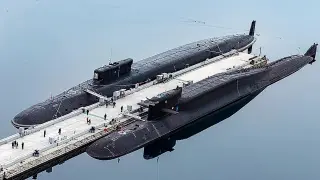
Britain and Norway led a joint patrol to defend critical undersea cables in the North Atlantic, deterring Russian submarines after monitoring a Russian attack sub and two spy subs for over a month; a fleet of at least 13 warships, with planes and hundreds of personnel, tracked the activity before the vessels departed. The operation underscores Western efforts to safeguard infrastructure amid tensions over Ukraine and sanctions evasion, and Norway's defence tie with the UK is expanding, including the purchase of British-made frigates.

France mobilizes Charles de Gaulle for North Atlantic NATO mission LA FAYETTE 26
world7 months ago

France mobilizes Charles de Gaulle for North Atlantic NATO mission LA FAYETTE 26

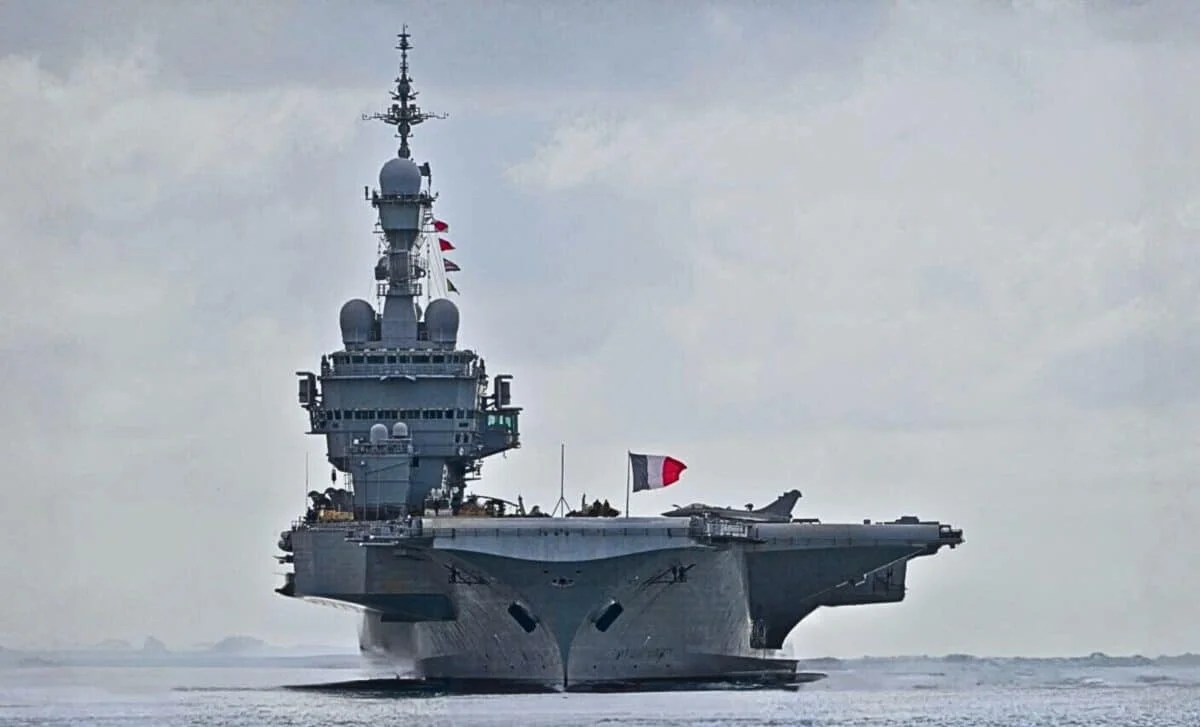
France’s carrier strike group led by the nuclear-powered Charles de Gaulle has begun a North Atlantic deployment for mission LA FAYETTE 26, after departing Toulon on January 27 for the Orion 26 exercise, and will participate in NATO drills Steadfast Dart, Baltic Sentry, Neptune Strike, and Cold Response, including a historic port visit to Malmö, Sweden, as France strengthens maritime interoperability amid rising Russian activity and a shifting Arctic focus.

Two Russian Sailors Freed After U.S. Seizure Ties Tanker to Sanctions
world8 months ago

Two Russian Sailors Freed After U.S. Seizure Ties Tanker to Sanctions

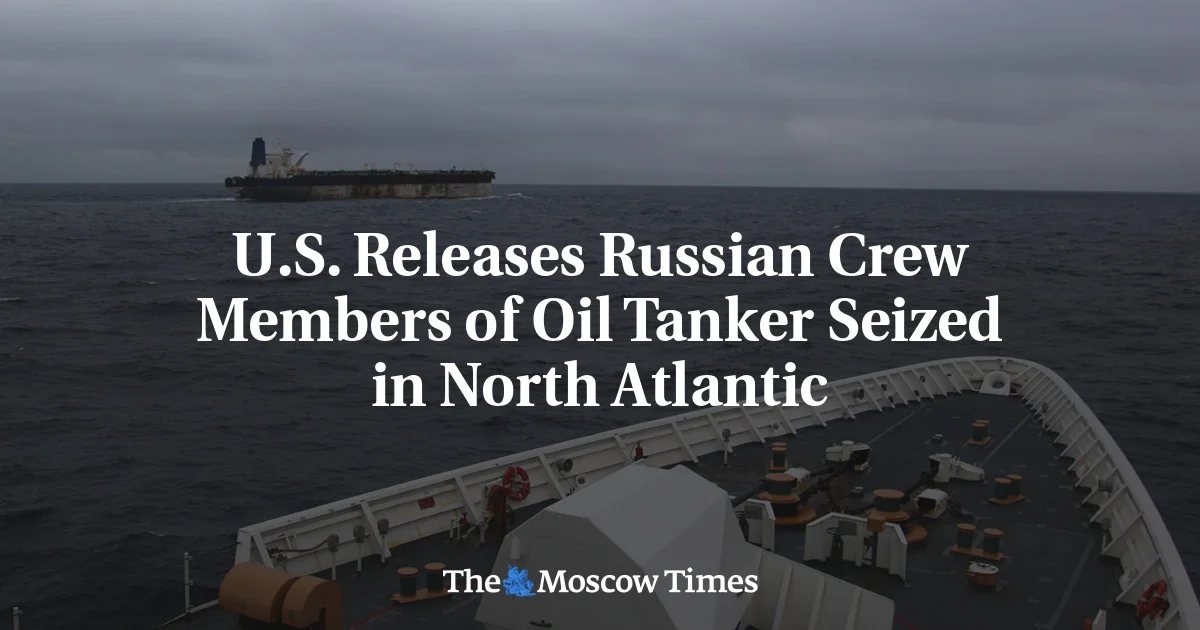
Two Russian sailors aboard the oil tanker Marinera, seized by the United States in the North Atlantic over sanctions concerns, have been released and are returning home. The vessel, previously Bella 1, was linked to a sanctions‑evading “shadow fleet,” but the fate of the rest of the crew remains unclear and U.S. prosecutors could pursue charges against others.