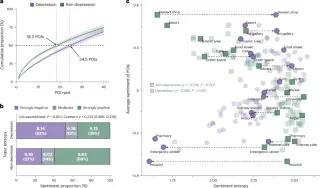
A new study in Nature Cities finds that positive sentiment toward cultural and residential areas on Sina Weibo correlates with higher depression risk, challenging the assumption that positive online engagement indicates mental well-being.
A 60-year archive of maintenance logs from a plankton-sampling device towed behind merchant ships has revealed a continuous record of ocean plastic pollution in the North Atlantic. The data, originally created to fix equipment jams, shows a sharp rise in macroplastic entanglements since the 1990s, offering a unique long-term perspective on marine debris trends.
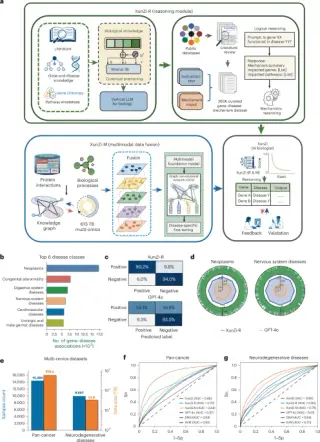
A new AI system named XunZi has been developed to autonomously generate testable hypotheses for disease-modifying therapeutic targets. Trained on massive datasets of biomedical literature and multi-omics data, the tool identifies potential drug targets by integrating logical reasoning with multimodal data fusion. In a key validation, XunZi identified the kinases CHK2 and IRAK4 as aberrantly activated in Parkinson's disease. Experimental tests confirmed that inhibiting CHK2 could rescue dopaminergic neuron loss and motor deficits in mouse models, demonstrating the system's potential to accelerate drug discovery.
AI could mass-produce high-quality science—new analyses, data, figures, and conclusions—at low cost, benefiting the public and patients, but it will also create challenges in separating quality work from low-quality output. Reliability will hinge on new practices like open data, preregistration, and robust validation. Humans will still guide which questions to pursue, refine concepts, design and interpret experiments, and curate trustworthy results. The shift may resemble the Industrial Revolution: some jobs vanish while new roles emerge, with AI-enabled data integration and personalized review accelerating discoveries while reshaping careers in science.
Monster’s analysis of employee reviews from early 2026 through April identifies 15 roles with the strongest workplace experiences across eight job categories. Topping the list are healthcare practitioners (3.86), mathematics and data science professionals (3.85), science technicians (3.81), education and library professionals (3.78), and life science professionals (3.78), with several education, law, and finance roles also in the mix. The study emphasizes that strong workplace experiences are achievable across diverse fields and are shaped by factors beyond pay—such as workplace culture, leadership quality, growth opportunities, and work-life balance—noting the gap between the top roles and others is relatively narrow.
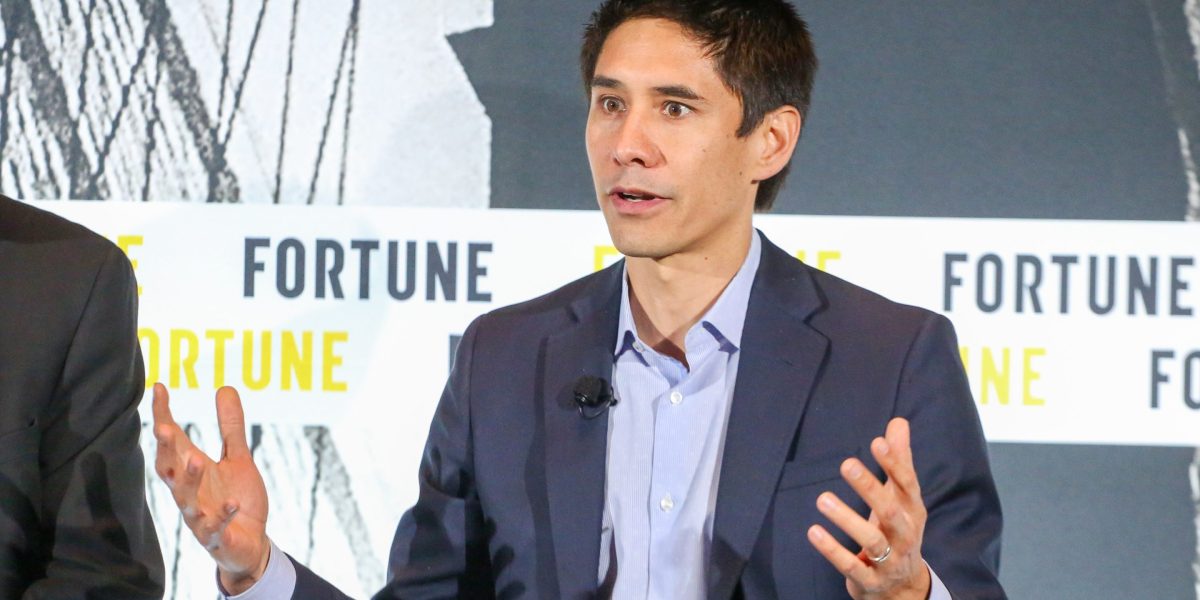
A Meta data scientist with a physics PhD explains how rigorous research habits, skepticism, and strong communication from academia translate to data work, the challenge of translating academia to corporate roles, and the value of curiosity and upskilling in Big Tech.
The NIH is investing millions to enhance autism research through the Autism Data Science Initiative, aiming to accelerate understanding of autism's genetic and environmental factors, following a White House announcement.
Microsoft's claim that AI will make geographers obsolete is challenged by Trisalyn Nelson, who argues that AI actually enhances the field by enabling geographers to analyze vast amounts of geographic data more efficiently, thereby increasing their impact on solving global challenges. Geographers use advanced technology to address issues like urban planning, environmental management, and disaster response, making their profession more vital and relevant than ever in the age of AI.
Glassdoor CEO Christian Sutherland-Wong highlights the impact of AI on the job market, noting a surge in demand for roles like machine learning engineers and data scientists, while positions such as copywriters are declining due to advancements in generative AI.
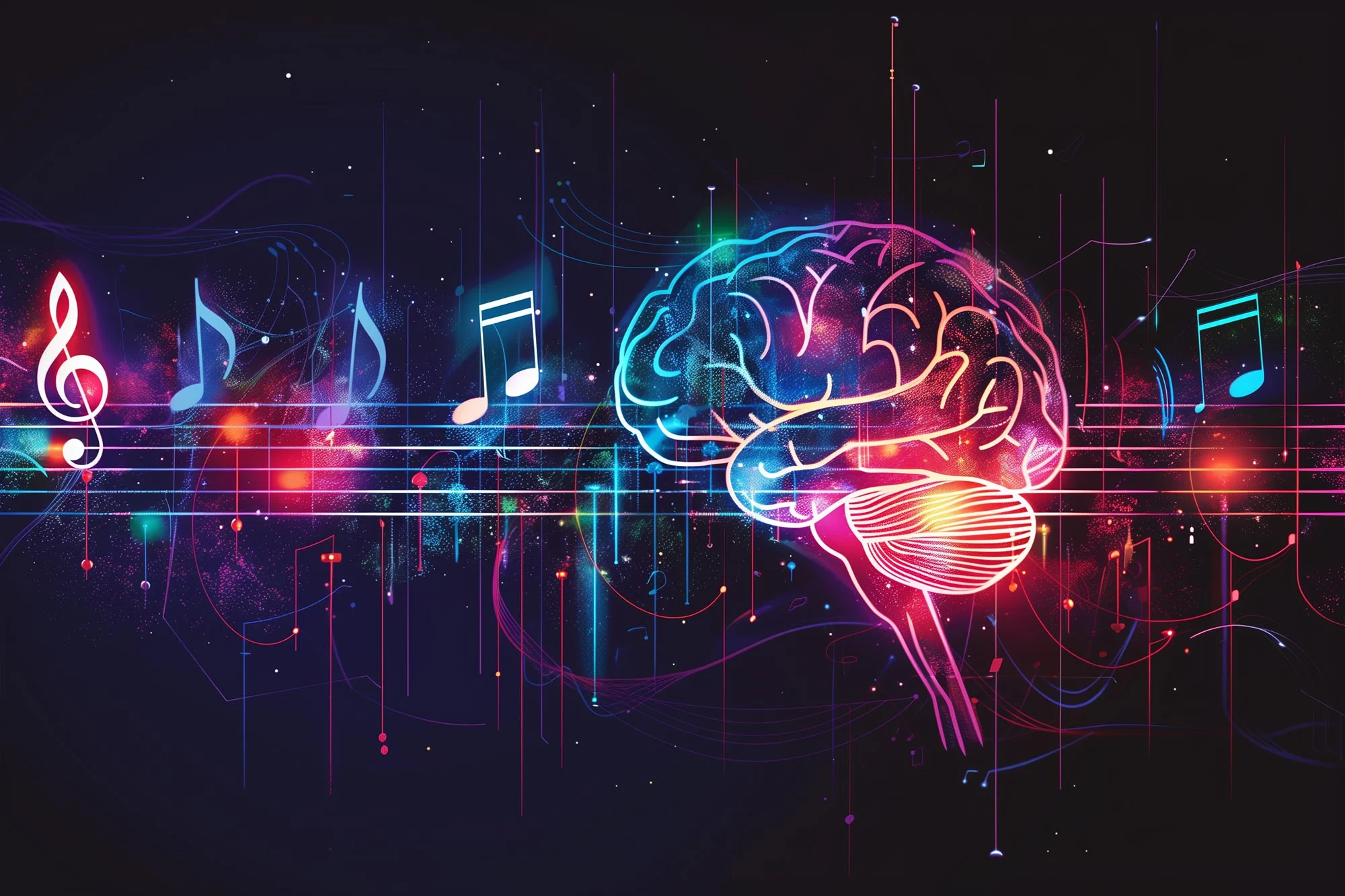
Researchers have empirically quantified the emotional impact of music by analyzing the predictability of musical sequences, using time series analysis to measure the 'transition times' from predictable to unpredictable patterns. This study, published in Nature Communications, examined over 450 jazz improvisations and 99 classical compositions, revealing that jazz typically has shorter transition times, making it less predictable than classical music. The research also found that Mozart's compositions tend to have longer transition times compared to Bach's, offering more predictability and less variability.
In a Quanta Magazine podcast, statistician Emmanuel Candès discusses how AI and machine learning are transforming the science of prediction across various fields, including college admissions, election forecasting, and drug discovery. The conversation highlights the use of 'black box' models, which can make accurate predictions without a deep understanding of the underlying phenomena, and the importance of quantifying uncertainty in these predictions. Candès emphasizes the evolving role of statistics in this new landscape, advocating for a balance between traditional statistical methods and modern data science techniques.
Data scientist Antoine Mayerowitz applies the Pareto front, a principle from 19th-century economist Vilfredo Pareto, to determine the best character, vehicle, and wheels combinations in Mario Kart 8. By narrowing down the 703,560 possible decisions to 25,704, Mayerowitz plots the potential builds on a chart, revealing the most optimal choices based on speed and acceleration. The best build for prioritizing speed and acceleration is Peach on the Teddy Buggy with roller tires and the Cloud Glider.
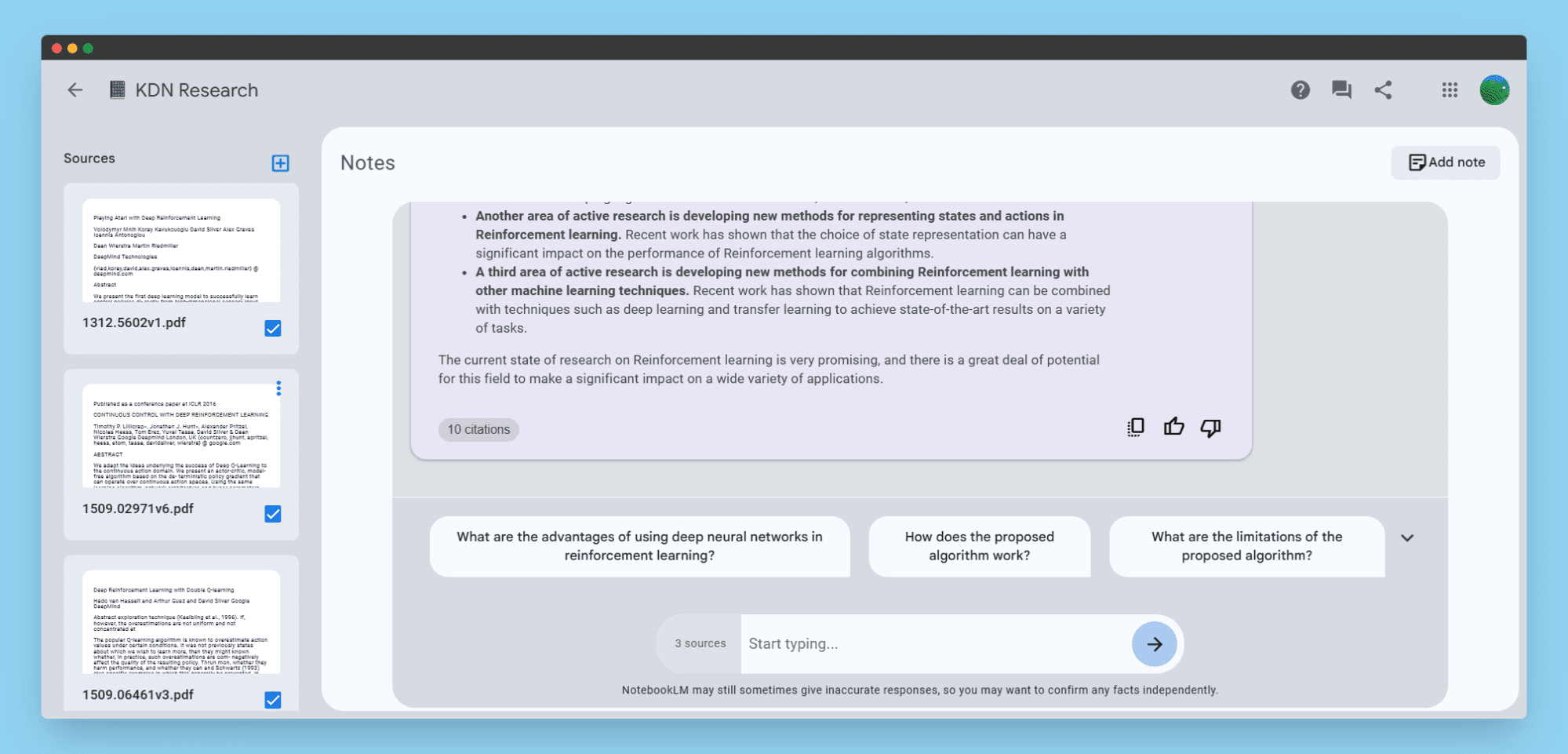
Google's NotebookLM is an experimental product based on large language models that allows users to upload up to 10 documents, including Google Docs and PDFs, to understand and analyze data. It offers features such as summarization, terminology extraction, trend analysis, and creative assistance. NotebookLM addresses limitations of other applications like ChatGPT and Poe by allowing users to upload multiple documents and understand large documents quickly. While NotebookLM is currently in its early testing phase and limited to the U.S. and personal Google accounts, it has the potential to become an essential tool for data scientists as it continues to evolve.
Researchers at Johns Hopkins University have developed a data science method to match astronomical objects across different surveys, allowing for a deeper understanding of the cosmos. By assigning a "score" to pairs of observations from different surveys, the researchers were able to quickly and effectively match objects between 100 different catalogs. This method helps scientists extract more knowledge from the vast amount of data collected by telescopes, contributing to the building of theories about the universe. The team's code is publicly available, and their research was published in The Astronomical Journal.
Researchers at Johns Hopkins University have developed a data science approach that can match observations of celestial objects taken across multiple telescope surveys. This method assigns a "score" to each pair of observations, increasing the likelihood that they are of the same object based on their angular distance in the sky. The tool improves the accuracy and reliability of astronomical catalogs, enabling deeper insights into the universe. The method is fast, handles vast datasets, and outperforms previous approaches in finding accurate matches between observations. Further validation and consensus within the astronomy community are needed for broader adoption.