
Study Reveals Human Brain Develops From Two Independent Progenitor Cells
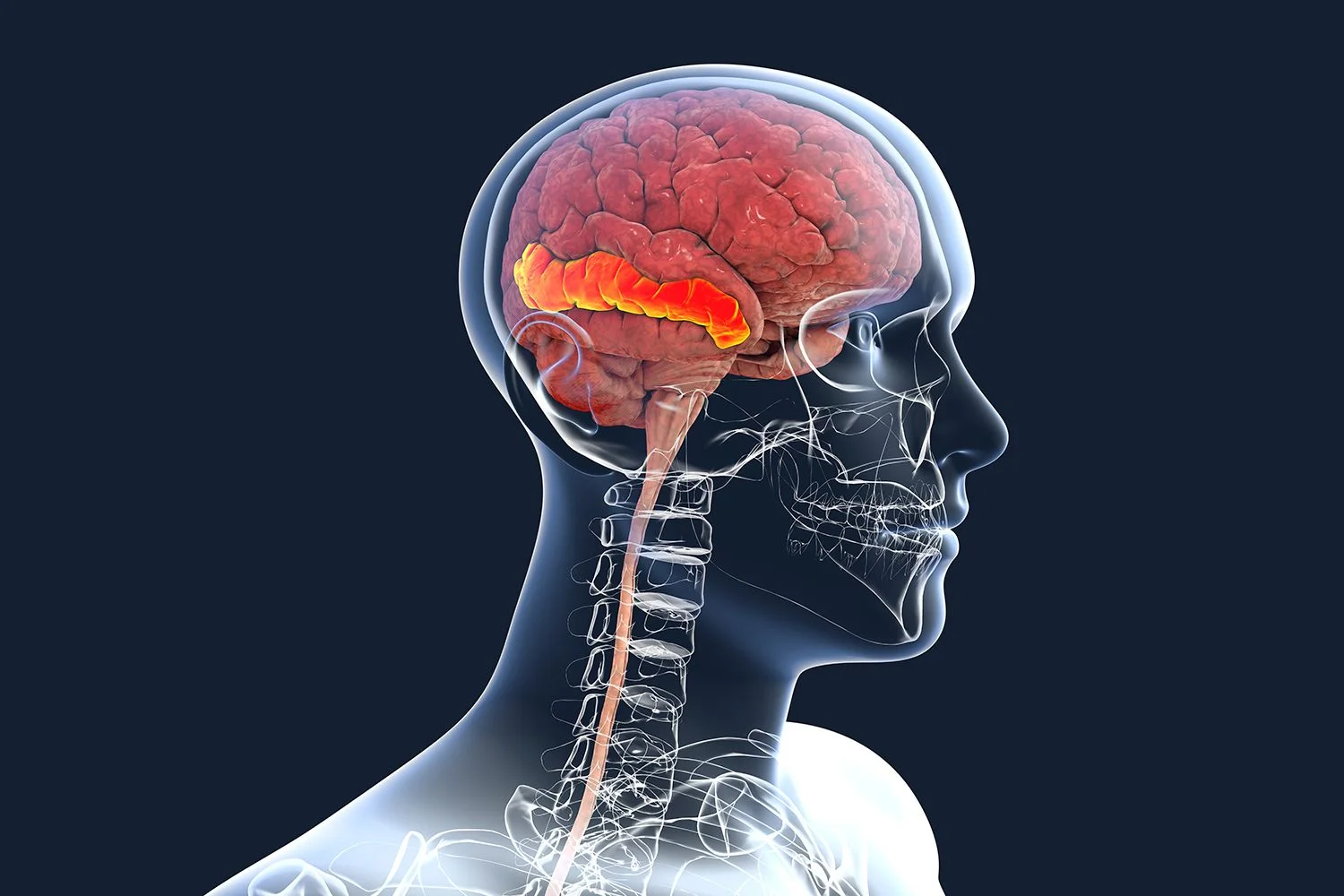
A Stanford-led study published in Nature Neuroscience on September 18, 2026, demonstrates that the human brain originates from two distinct progenitor cell lines rather than a single unified source. Researchers found that the forebrain and hindbrain develop independently during embryonic gastrulation, a finding that explains why hindbrain neurons have been difficult to cultivate in labs. This discovery enables the first successful generation of human hindbrain motor neurons, offering new avenues for studying spinal muscular atrophy and ALS.
Key points
- Stanford Medicine researchers identified two separate progenitor cells during embryonic development: one expressing the Otx2 gene for the forebrain/midbrain, and another expressing Gbx2 for the hindbrain.
- The study overturns the long-held theory that a single progenitor cell gives rise to the entire brain, showing instead that the two regions follow parallel, mutually exclusive developmental paths.
- Using this knowledge, the team successfully coaxed human pluripotent stem cells into functional hindbrain motor neurons, a feat previously considered impossible.
- The findings have significant implications for treating brain stem disorders like spinal muscular atrophy (SMA) and amyotrophic lateral sclerosis (ALS), which were previously difficult to study due to the lack of lab-grown tissue.
- The dual-origin pattern appears evolutionarily conserved, observed in chickens, zebrafish, and acorn worms, suggesting the two nervous systems were packed together over 550 million years of evolution.
Background
This discovery builds on recent research into human-specific brain development, such as the 2026 findings on the SRGAP2 gene and its role in slowing microglial maturation to support advanced cognition. While previous studies focused on specific gene functions, this new research addresses the fundamental structural origins of the brain itself, challenging the traditional view of the brain as a single, unified organ.
How outlets are covering it
While Stanford Medicine and Smithsonian Magazine emphasize the breakthrough in growing hindbrain neurons and its potential for treating diseases like ALS and SMA, some experts remain skeptical. Alex Pollen of the University of California, San Francisco, noted that it is difficult to prove the two cell populations do not originate from a single, short-lived progenitor. Similarly, developmental biologist Cecilia Moens of the Fred Hutchinson Cancer Center expressed doubt that the cells' fates are fully determined, citing instances where cells have swapped developmental paths. The primary source, AOL.com, was largely inaccessible due to technical errors, but the secondary sources provide a comprehensive view of the scientific debate and the practical implications of the findings.
Why it matters
This research provides a new model for understanding brain development and offers a critical tool for studying and potentially treating devastating neurological diseases that affect the brain stem. By enabling the growth of hindbrain neurons in the lab, scientists can now investigate the mechanisms behind conditions like SMA and ALS, which were previously impossible to study in vitro. This could lead to the development of regenerative therapies and a better understanding of how these diseases compromise brain function.
What to watch
The researchers plan to extend their studies to determine the developmental origins of the spinal cord and to investigate exactly how SMA and ALS compromise the function of hindbrain neurons. They also hope to explore the connection between the hindbrain's hunger-regulating circuits and weight-loss drugs like semaglutide. The team aims to use their new model to work toward regenerative therapies for these devastating diseases.
- Scientists Discover Humans May Actually Have 2 Brains Rather Than 1 AOL.com
- Human brain is two separate organs, Stanford Medicine-led research finds Stanford Medicine
- Two parallel neural ectoderm progenitors contribute to the developing brain nature.com
- Scientists Say the Human Brain Might Be Made of Two Distinct Nervous Systems That Got Squished Together Smithsonian Magazine
- The brain may not be a single organ after all New Atlas
Want the full story? Read the original reporting
Read on AOL.com