
Study Reveals Microplastics Generate Harmful Radicals Upon Contact With Water
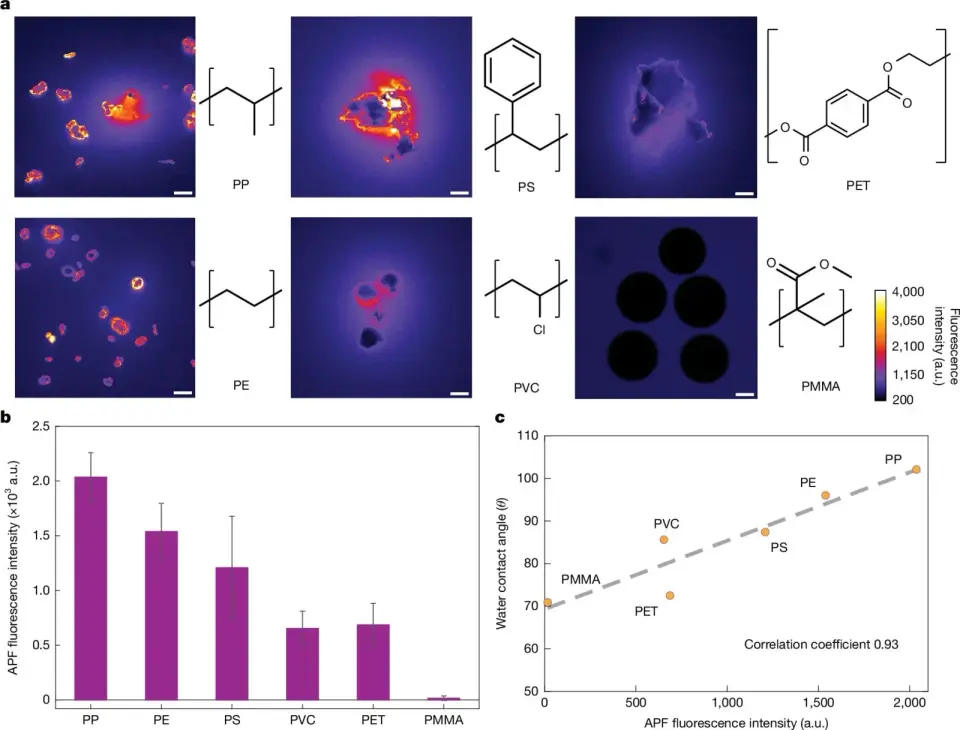
A new study published in Nature challenges the long-held belief that plastics are chemically inert. Researchers from Columbia University found that microplastics generate reactive oxygen species (ROS) when exposed to water. This reaction, driven by hydrophobicity and electrostatics, can damage cells and DNA. The findings suggest a direct mechanism for how microplastics may cause health issues, as the human body is largely composed of water.
Key points
- Columbia University researchers discovered that microplastics spontaneously generate hydroxyl radicals when in contact with water.
- The generation of reactive oxygen species (ROS) correlates with the hydrophobicity of the plastic; more hydrophobic plastics like polyethylene and polypropylene produce more ROS.
- Exposure to these radicals caused mouse red blood cells to change shape and rupture, indicating potential cellular damage.
- The study suggests that the high surface-to-volume ratio of microplastics amplifies this chemical activity, making them more harmful than bulk plastics.
- The presence of surfactants, such as those found in the lungs, can reduce ROS generation, but the overall impact on human health remains under investigation.
Background
Previous studies have linked microplastics to various health issues, including cardiovascular disease and reproductive problems, but the exact mechanisms were unclear. This new research provides a potential explanation by showing that the interaction between microplastics and water itself can create harmful molecules.
How outlets are covering it
The primary source, Hackaday, highlights the novelty of the finding and its implications for understanding plastic aging and biological damage. The Los Angeles Times emphasizes the potential health risks, noting that the human body is 60-70% water, which could make this reaction ubiquitous. Smithsonian Magazine focuses on the challenge to the 'inert' paradigm and the potential for oxidative stress. All sources agree on the significance of the finding but differ in their emphasis on the immediate health implications versus the broader scientific understanding.
Why it matters
This study provides a new mechanism for understanding how microplastics may harm human health. It suggests that the mere presence of microplastics in the body, due to their interaction with water, could lead to cellular damage and inflammation, independent of the chemicals added to the plastics or pollutants they carry. This has significant implications for public health and environmental policy.
What to watch
Further research is needed to determine the extent of this effect in the human body and how it contributes to disease. Scientists are also investigating how the body's natural surfactants and lipids might mitigate the generation of ROS. The findings may inform the design of safer and more sustainable plastic materials.
- Busting The Myth That Plastics Are Chemically Inert In Water Hackaday
- Intrinsic physicochemical activity at microplastic–water interfaces Nature
- New research shows how microplastics and water interactions could lead to cell damage Los Angeles Times
- Microplastics Have Been Linked With Myriad Human Health Problems. Scientists May Have Finally Figured Out How They Harm the Body Smithsonian Magazine
- Microplastics Are Chemically Alive and Probably Up to No Good Gizmodo
Want the full story? Read the original reporting
Read on Hackaday