
Adelaide Researchers Use Smart Nanoparticles to Reprogram Tumor Immune Cells
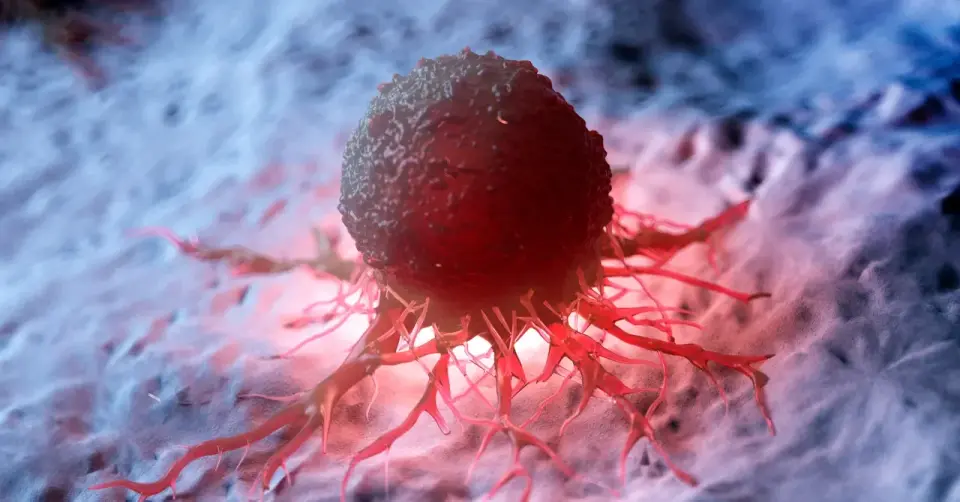
A team at the University of Adelaide has developed targeted lipid nanoparticles that deliver mRNA directly to tumor-associated macrophages, reprogramming them to recruit cancer-fighting T cells. Published in Science Advances, the approach uses antibodies to bind TREM2 proteins on macrophages, ensuring precise delivery. In mouse models with aggressive breast cancer, the treatment reduced immunosuppressive macrophages by 63% and increased CXCL9 signals fourfold. While combining the therapy with checkpoint inhibitors did not further shrink tumors, it enhanced T-cell diversity and memory, suggesting potential for durable immune responses. The researchers emphasize this is a proof-of-concept requiring further safety studies before human trials.
Key points
- University of Adelaide researchers developed 'smart' nanoparticles that target tumor-associated macrophages (TAMs) using antibodies that bind to TREM2 proteins.
- The nanoparticles deliver mRNA encoding CXCL9 and the drug resiquimod, reprogramming TAMs to recruit T cells rather than suppress them.
- In mice with aggressive breast cancer, the treatment reduced immunosuppressive macrophages by 63% and increased CXCL9 levels fourfold compared to controls.
- Combining the nanoparticle therapy with PD-L1 and CTLA-4 checkpoint inhibitors increased T-cell diversity and central memory cells but did not further reduce tumor size in the initial model.
- The study, published in Science Advances, is a preclinical proof-of-concept; researchers caution that safety evaluations are needed before human trials.
Background
This development follows recent advances in mRNA therapeutics, including the FDA's approval of the first mRNA flu vaccine in August 2026 and the success of personalized mRNA cancer vaccines in melanoma trials. While previous mRNA applications focused on vaccines or direct tumor targeting, this study highlights the potential of mRNA to reprogram the tumor microenvironment itself, addressing a key barrier in immunotherapy where tumors suppress local immune responses.
How outlets are covering it
WIRED and respiratory-therapy.com both highlight the precision of the nanoparticle delivery system, emphasizing the use of TREM2-binding antibodies to ensure the therapy only affects macrophages within the tumor. WIRED notes the 89.5-fold increase in NOS2 expression as a marker of immune activation, while respiratory-therapy.com focuses on the 60% reduction in suppressive macrophages and the fourfold increase in CXCL9. Il Sole 24 ORE covers a related but distinct study from Cambridge and Basel on 'cold tumors,' using small molecules called PSEs to enhance macrophage activity. While both studies aim to reprogram macrophages, the Adelaide team uses mRNA and nanoparticles, whereas the Cambridge/Basel team uses small molecules to degrade PD-L1 and enhance phagocytosis. The Adelaide study is more advanced in preclinical animal testing, while the Cambridge/Basel work is still in cell culture and zebrafish models.
Why it matters
This research offers a potential solution for 'cold' tumors that evade immune detection by reprogramming the local immune environment rather than just boosting systemic immunity. If successful in human trials, this approach could expand the effectiveness of immunotherapy for solid tumors that currently resist treatment, potentially leading to more durable and targeted cancer therapies.
What to watch
The researchers will conduct further studies to evaluate the safety and efficacy of the nanoparticle system in larger animal models and eventually in human clinical trials. They also plan to explore combinations with other immunotherapies to enhance long-term immune surveillance and tumor control.
- ‘Smart’ Nanoparticles Deliver mRNA Directly to Tumors in New Cancer Therapy WIRED
- Nanoparticle Technology Reprograms Immune Cells to Fight Solid Tumors respiratory-therapy.com
- Engineered exosomes carrying mRNA payloads are shown to convert ‘cold’ tumours into active immune targets Labmate Online
- Pancreas and colorectal cancer: a dual-action molecule for ‘cold tumours’ is on the way Il Sole 24 ORE
- mRNA Nanoparticles Reprogramme Tumour Immune Environment EMJ
Want the full story? Read the original reporting
Read on WIRED