Tag

Tumor Microenvironment

All articles tagged with #tumor microenvironment

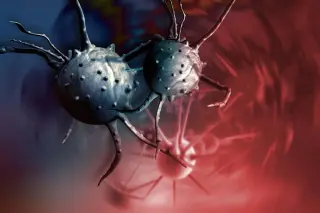
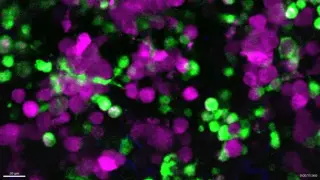
Edge-Guard Macrophages Attack Live Melanoma Cells, Poised to Boost Immunotherapy
science4 days ago

Edge-Guard Macrophages Attack Live Melanoma Cells, Poised to Boost Immunotherapy

Researchers using real-time imaging show CD169-positive macrophages at the edges of melanoma tumors actively engulf live cancer cells and help signal the immune system, constraining tumor growth even without T cells or B cells. Similar macrophages are found in human samples, suggesting these cells could be mobilized to convert cold tumors to hot and broaden the reach of immunotherapies like checkpoint inhibitors.

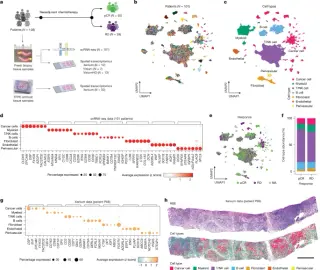
TNBC’s heterogeneity mapped: four cancer archetypes and eight tissue ecotypes forecast chemo response
health18 days ago

TNBC’s heterogeneity mapped: four cancer archetypes and eight tissue ecotypes forecast chemo response

A large single‑cell and spatial transcriptomics study of pretreatment TNBC identifies four cancer-cell archetypes and eight ecotypes defined by cancer cells and the tumor microenvironment, reveals macrophage and interferon‑related programs linked to better neoadjuvant chemotherapy response, and provides cell-state– and gene-based classifiers (including a 13‑gene panel) to predict pathological complete response, offering new insight into TNBC heterogeneity and potential immune targets such as LAG3 and HAVCR2.

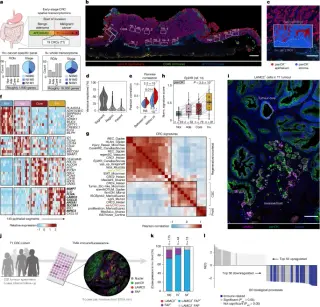
Submucosal fibroblasts drive early oncofetal plasticity at the invasive front in colorectal cancer
cancer-research1 month ago

Submucosal fibroblasts drive early oncofetal plasticity at the invasive front in colorectal cancer

The study shows that metastasis-associated oncofetal cell states arise at the very onset of invasion in colorectal cancer and are shaped by interactions with submucosal fibroblasts. Using multiregional organoids, spatial transcriptomics, and organoid–fibroblast co-cultures, it demonstrates that trophocyte-like cancer-associated fibroblasts at the invasive front induce these fetal-like states, establishing that microenvironmental context—not just tumor genetics—dictates when and where oncofetal plasticity first appears. Although common in early cancers, additional bottlenecks such as immune evasion explain why many lesions do not metastasize.

Engineered Microbes Target Tumors by Colonizing Oxygen-Starved Cores
health-and-medicine3 months ago

Engineered Microbes Target Tumors by Colonizing Oxygen-Starved Cores

Researchers at the University of Waterloo are engineering Clostridium sporogenes bacteria to invade oxygen-poor tumor cores and consume nutrients from inside, potentially destroying tumors. They added an oxygen-tolerance gene and use quorum sensing to activate it only after enough bacteria accumulate, limiting safety risks. Next steps combine both features in a single strain and test in preclinical trials, showcasing interdisciplinary synthetic-biology cancer research.

Nerve-Fibroblast Loop Spurs Early Pancreatic Cancer Growth
health-and-medicine3 months ago

Nerve-Fibroblast Loop Spurs Early Pancreatic Cancer Growth

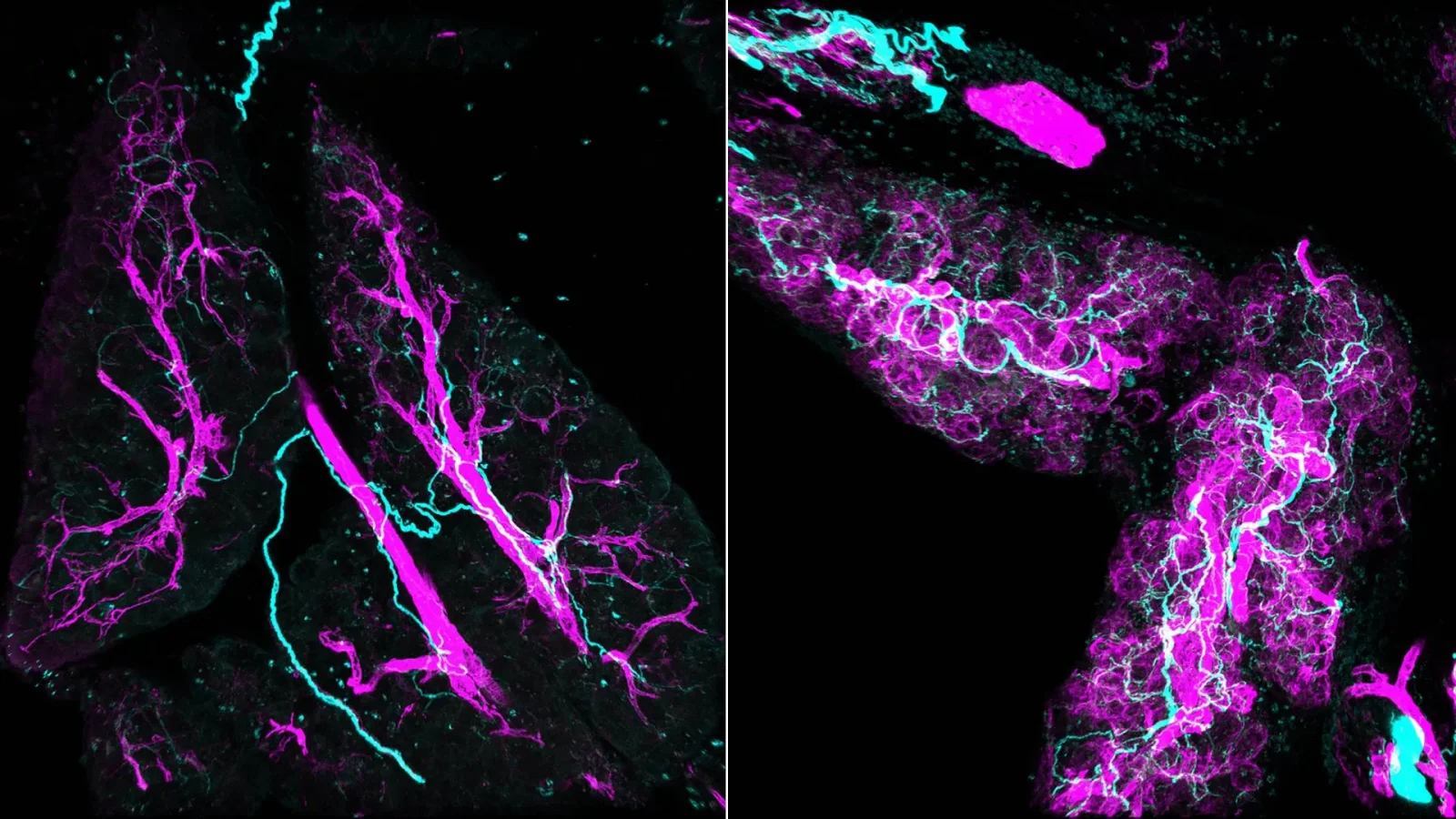
Researchers at Cold Spring Harbor Laboratory uncovered a self-sustaining loop in early pancreatic cancer: myCAFs (fibroblasts) lure sympathetic nerves, whose norepinephrine signals activate the fibroblasts and recruit more nerves, accelerating tumor development. Blocking nerve activity slowed growth by about 50% in mice/human cell experiments, pointing to therapies that disrupt the nerve–fibroblast crosstalk alongside existing cancer treatments.

Tumor-Modulated Neutrophils Fuel Cancer Growth via CCL3
science3 months ago

Tumor-Modulated Neutrophils Fuel Cancer Growth via CCL3

University of Geneva researchers find that neutrophils recruited to tumors are reprogrammed to produce the chemokine CCL3, which promotes tumor growth. This shift helps explain why some cancers become more aggressive and points to CCL3 activity in neutrophils as a potential prognostic biomarker and therapeutic target. The team used genetic tools to selectively suppress CCL3 in neutrophils and reanalyzed multiple studies to confirm the link.

Bacteria-Derived Toxin Halts Colorectal Cancer Growth While Sparing Healthy Tissue
science4 months ago

Bacteria-Derived Toxin Halts Colorectal Cancer Growth While Sparing Healthy Tissue

Researchers report that MakA, a toxin from Vibrio cholerae, when delivered systemically, slows colorectal tumor growth in mice by increasing tumor cell death and reshaping the tumor's immune environment, with no observable harm to healthy tissue or organs, suggesting a tumor-targeted anti-cancer strategy that requires further clinical study.

Stellate-Cell Periostin Sparks Early Nerve Invasion in Pancreatic Cancer
science4 months ago

Stellate-Cell Periostin Sparks Early Nerve Invasion in Pancreatic Cancer

Brazilian researchers identify periostin produced by pancreatic stellate cells as a key driver that remodels surrounding tissue, enabling pancreatic cancer cells to invade nerves early and spread, creating a dense desmoplastic microenvironment that hinders chemotherapy and immunotherapy; targeting periostin or the stellate cells offers a potential path for precision therapies to curb invasion and metastasis.

Small Cell Lung Cancer Exploits Brain Neuronal Synapses to Promote Growth
cancer-research8 months ago

Small Cell Lung Cancer Exploits Brain Neuronal Synapses to Promote Growth

The article explores how neuronal activity and innervation, particularly via the vagus nerve, influence the initiation, progression, and metastasis of small cell lung cancer (SCLC), highlighting the role of neuron-tumor interactions, synaptic communication, and membrane depolarization in tumor growth within the lung and brain.