
Tumors Release Antioxidant Protein PRDX1 to Starve T Cells of Activation Signals
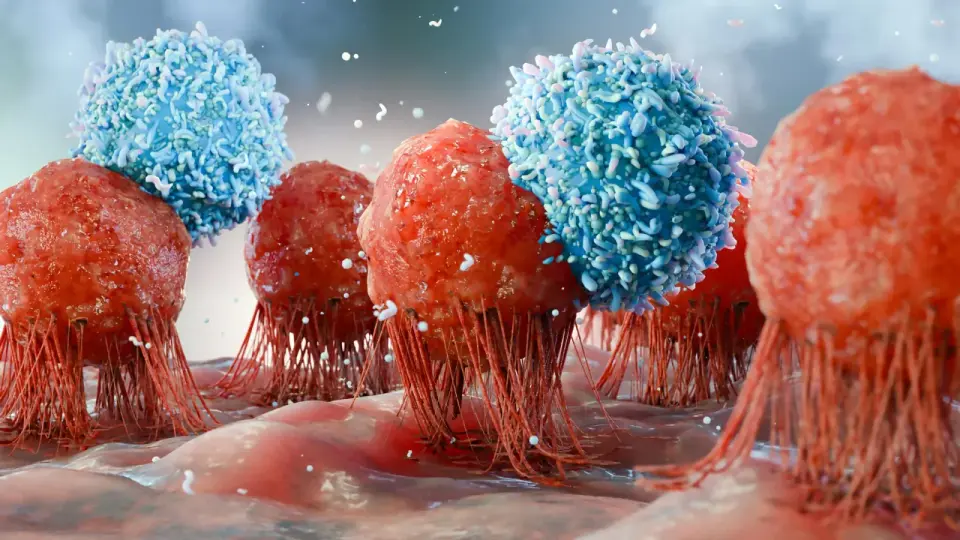
Researchers from the University of Cambridge and Oregon Health & Science University have identified a new mechanism by which tumors evade the immune system. Published in Science, the study reveals that cancer cells secrete the antioxidant protein Peroxiredoxin 1 (PRDX1) to neutralize reactive oxygen species (ROS). These ROS are essential for T cells to activate and attack tumors. By removing this chemical shield, researchers restored immune activity in mice and improved responses to immunotherapy. The findings suggest that blocking PRDX1 could help tumors that currently resist treatment, while also explaining why antioxidant supplements may fail to prevent cancer.
Key points
- T cells require small amounts of reactive oxygen species (ROS) to switch into attack mode and destroy cancer cells.
- Tumors release large quantities of the antioxidant protein PRDX1 into their surroundings, effectively stripping the area of ROS and disabling nearby T cells.
- In mouse models, CRISPR editing to remove PRDX1 production restored T cell activity and reduced tumor growth.
- Analysis of human tumor data, gene activity patterns, and surgical fluid confirmed that human cancers also utilize this PRDX1-based defense mechanism.
- Blocking PRDX1 production in resistant tumors made them responsive to immunotherapy in experimental settings.
Background
This discovery adds to a growing body of research on why immunotherapy fails for some patients. In October 2026, researchers at Memorial Sloan Kettering identified MEK signaling as a driver of T cell exhaustion, suggesting that metabolic strain limits immune persistence. Additionally, earlier advice from radiation oncologist Dr. Heather Zinkin highlighted the benefits of dietary antioxidants for general health, a view now complicated by this new finding that excessive antioxidant activity can inadvertently suppress anti-cancer immune responses.
Why it matters
The study identifies a specific biological target, PRDX1, that could be used to overcome resistance to current cancer immunotherapies. It also provides a scientific rationale for why antioxidant supplements have not shown protective benefits in large clinical trials, as they may interfere with the ROS signals needed for immune activation. While the findings are preclinical, they offer a potential path for developing pro-oxidant strategies to boost T cell efficacy.
What to watch
Researchers will likely move toward developing therapeutic strategies to block PRDX1 production or activity in human patients. Clinical trials may explore combining PRDX1 inhibitors with existing immunotherapies to treat resistant tumors. Further studies will be needed to determine the safety and efficacy of these approaches in diverse patient populations.
Want the full story? Read the original reporting
Read on Science Daily