
USC Researchers Engineer Immune Progenitors to Create Renewable Cancer Therapies
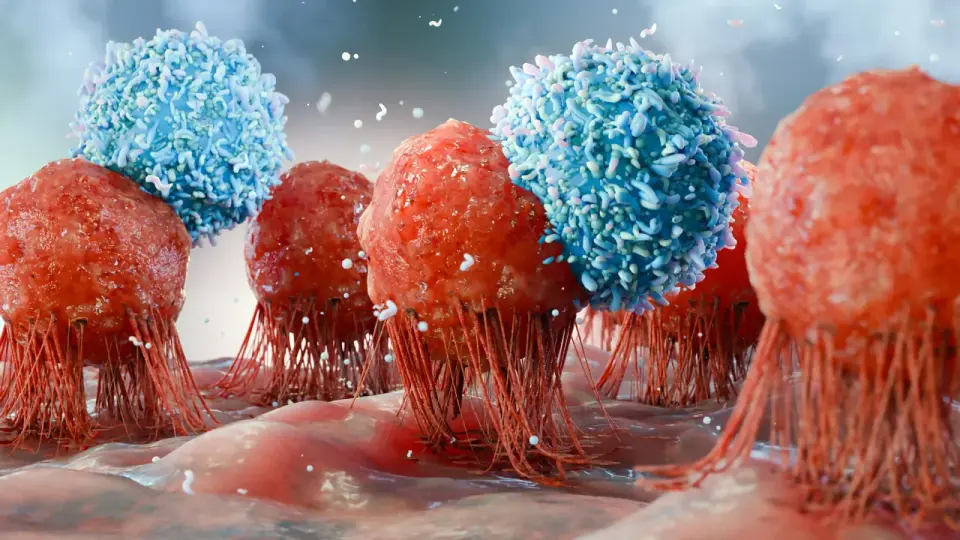
USC scientists have developed a method to expand and genetically engineer granulocyte-monocyte progenitors (GMPs), creating a renewable source of cancer-fighting immune cells. Published in Cell, the study demonstrates that these immature cells can self-renew in the lab, bypassing the manufacturing limitations of mature macrophages. In mouse models, the engineered cells established themselves in bone marrow, continuously producing new immune defenders that slowed both blood cancers and solid tumors. This approach also showed potential for treating inherited immune deficiencies, offering a scalable alternative to current personalized cell therapies.
Key points
- USC researchers discovered that granulocyte-monocyte progenitors (GMPs) can self-renew in laboratory conditions, challenging the traditional view that only hematopoietic stem cells possess long-term self-renewal capabilities in the blood system.
- The team developed a chemical mixture that allows GMPs to multiply extensively without prematurely maturing, preserving their identity and ability to generate functional immune cells like macrophages.
- Genetically engineered GMPs were equipped with chimeric antigen receptors (CARs) and additional immune-activating signals to recognize tumor markers and recruit other immune cells, such as T cells.
- In mouse experiments, the engineered progenitors engrafted in bone marrow, providing a continuous supply of immune cells that slowed the progression of both blood cancers and solid tumors.
- The approach offers advantages over mature macrophage therapies, which are difficult to expand, freeze, and store, and often clear rapidly from the body after administration.
- The technology may enable off-the-shelf treatments using donor cells, as the added immune-activating signal remained effective even when donor and recipient immune characteristics did not match.
Background
This research builds on ongoing efforts to improve cancer immunotherapy, particularly the challenges of manufacturing sufficient immune cells and maintaining their activity in the body. While current CAR-T cell therapies have shown success against blood cancers, treating solid tumors remains difficult. The discovery that progenitor cells can self-renew and be engineered offers a new direction for developing scalable and adaptable cell therapies. This aligns with broader trends in stem cell biology and regenerative medicine, where researchers are exploring ways to leverage the body's natural immune responses for disease treatment.
Why it matters
The ability to create a renewable supply of engineered immune cells could overcome major obstacles in cancer immunotherapy, including the difficulty of manufacturing enough cells and keeping them active in the body. This approach may lead to more accessible and effective treatments for a wider range of cancers, including solid tumors, as well as other conditions involving defective immune defenses. The potential for off-the-shelf treatments could also reduce the cost and complexity of personalized cell therapies, making them more widely available to patients.
What to watch
Further research is needed to determine whether engineered GMPs can be used safely and effectively in humans, particularly if they are intended to persist and produce immune cells over extended periods. Clinical trials will be necessary to evaluate the long-term safety and efficacy of this approach in human patients. Additionally, researchers will explore the potential applications of this technology for treating other conditions, such as infectious diseases and inherited immune deficiencies.
Want the full story? Read the original reporting
Read on Science Daily