
El Niño Hits Peak Intensity, With Record-Breaking Odds Rising to 60%
NOAA has classified the current El Niño as 'very strong,' the highest intensity level on its scale, matching only three previous events since 1950. The pattern is expected to peak in late 2026 or early 2027, with a 60% chance of exceeding historical records. Impacts, including extreme heat and heavy rainfall, will persist into 2027, potentially raising global temperatures to near-record levels. A transition to La Niña is possible by late 2027, which could influence future hurricane activity.
Key points
- NOAA's Climate Prediction Center reports the current El Niño has reached 'very strong' status, the highest of four intensity categories.
- Only three El Niños in modern records (1982-83, 1997-98, 2015-16) have achieved this level, with a 60% probability of exceeding them.
- The event is projected to peak between October-December 2026 and November-January 2027, according to NOAA scientist Michelle L'Heureux.
- The World Meteorological Organization warns that heat and extreme weather risks will continue well into 2027, potentially pushing global temperatures to near-record highs.
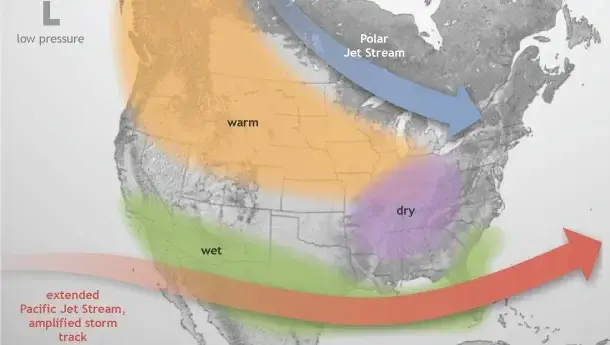
- El Niño is expected to dominate U.S. weather patterns, bringing frequent rain to the South and Midwest, while the Northeast may see warmer, drier conditions.
- A shift to La Niña is possible by June-August 2027, with a 33% probability, which could boost the 2027 Atlantic hurricane season.
Background
Recent archive coverage noted that NOAA confirmed 'super' El Niño status on November 14, forecasting record-breaking winter impacts, particularly in the U.S. Midwest. Additionally, California faced high flood risks and coastal erosion due to the intensifying pattern, with Governor Gavin Newsom declaring a state of emergency. These developments align with the current escalation to the highest intensity category.
Why it matters
The 'very strong' classification signals a heightened risk for global weather extremes, including droughts, heavy rainfall, and elevated temperatures. This could impact agriculture, infrastructure, and emergency preparedness across multiple regions, with effects persisting into 2027 even as ocean temperatures begin to cool.
What to watch
Forecasters expect El Niño to continue into spring 2027, with a 61% chance of returning to neutral conditions by April-June. A potential shift to La Niña by late 2027 could alter weather patterns, possibly increasing hurricane activity in the Atlantic.
- El Niño still growing stronger. Here's what could happen next USA Today
- A Concerned Californian’s Guide to El Niño The New York Times
- Super El Niño declared as forecasters warn of major shifts in weather during winter season FOX Weather
- Super El Nino nears a record, and you can see why The Weather Channel
- This Western state is experiencing its most severe marine heat wave on record The Washington Post
Want the full story? Read the original reporting
Read on USA Today