
Federal cuts and fuel spikes force Appalachian food banks to ration
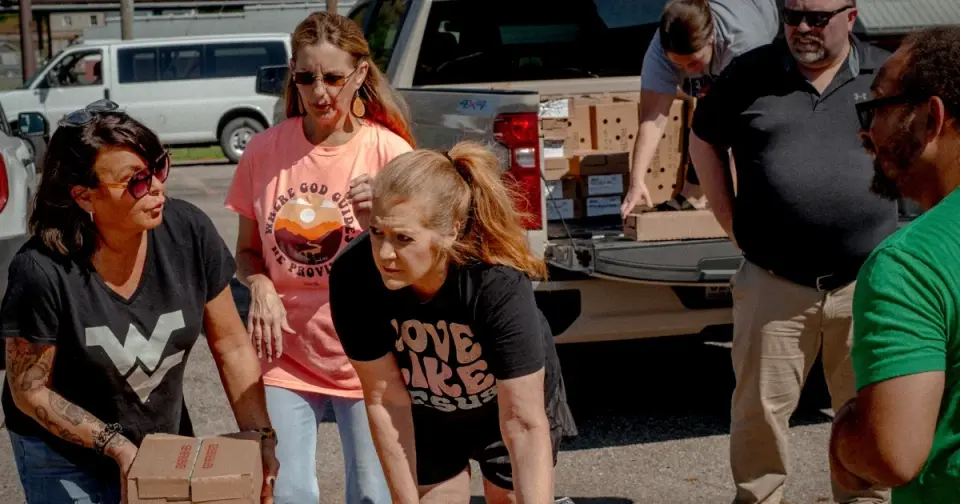
Food banks across the U.S. face severe shortages as federal aid drops and demand surges. In West Virginia, rising gas prices from the Iran conflict and new work requirements for food stamps have left thousands without benefits, forcing local pantries to rely on private donations to feed neighbors.
Key points
- An NBC News survey found nearly 75% of major food banks report increased demand, while over 80% note reduced USDA supplies and higher fuel costs.
- New SNAP restrictions requiring 80 hours of monthly work or volunteering have caused over 5 million people, including 1 million children, to lose benefits nationwide.
- In West Virginia, approximately 24,000 residents lost food stamps since last summer, with local pantries receiving 25% less food from the USDA.
- Rising gas prices due to the Iran war have made grocery trips prohibitively expensive, with some residents spending over $15 on a 45-minute drive.
- Local organizers in Dunlow and Matewan, W.Va., are using private donations and community networks to distribute limited supplies, often replacing meat with dried beans or candy.
Background
Previous coverage noted that the Iran conflict has cost the average U.S. household approximately $1,650, driving up energy and transportation costs. Recent consumer surveys also indicate a sharp decline in financial optimism due to persistent inflation fears, creating a backdrop of economic stress that exacerbates food insecurity in rural areas.
How outlets are covering it
NBC News emphasizes the human impact in West Virginia, highlighting how federal cuts and gas prices force individuals like Bill Likens to ration food for hundreds of households. The USDA disputes claims of reduced supplies, stating that state-level ordering decisions determine distribution and that the administration has prioritized proteins. In contrast, Elkhorn Media Group focuses on Northeast Oregon, where the Community Connection Food Bank saw a 154,000-pound drop in annual distribution following the termination of a federal purchasing agreement. While NBC highlights the loss of SNAP benefits, the Oregon report focuses on the expiration of inflation relief programs, showing that different regions feel the same federal policy shifts in distinct ways.
Why it matters
The convergence of reduced federal funding, stricter eligibility rules, and high fuel costs is creating a crisis where local charities must fill gaps previously covered by government programs. This shift places an unsustainable burden on community volunteers and leaves vulnerable populations, such as seniors and children, without adequate nutrition.
What to watch
Food banks are expected to continue relying on private donations and local partnerships to sustain operations through the winter. As SNAP benefits remain restricted, more households may turn to emergency pantries, while federal officials maintain that current spending levels are sufficient for those in need.
- Hunger grips a rural community hit by Trump’s cuts NBC News
- Hunger grips rural area after Trump cuts and Gulf Coast braces for Hurricane Isaias: Morning Rundown NBC News
- Food insecurity peaks in Umatilla County amid federal changes Union-Bulletin
- Overwhelmed food banks face ‘heartbreaking’ choices amid rising hunger NBC News
- Regional food bank faces severe supply deficit as community need soars to record highs Elkhorn Media Group
Want the full story? Read the original reporting
Read on NBC News