
IAEA flags 'increasing concern' over unverified Iran uranium plant as US denies Bahrain strike
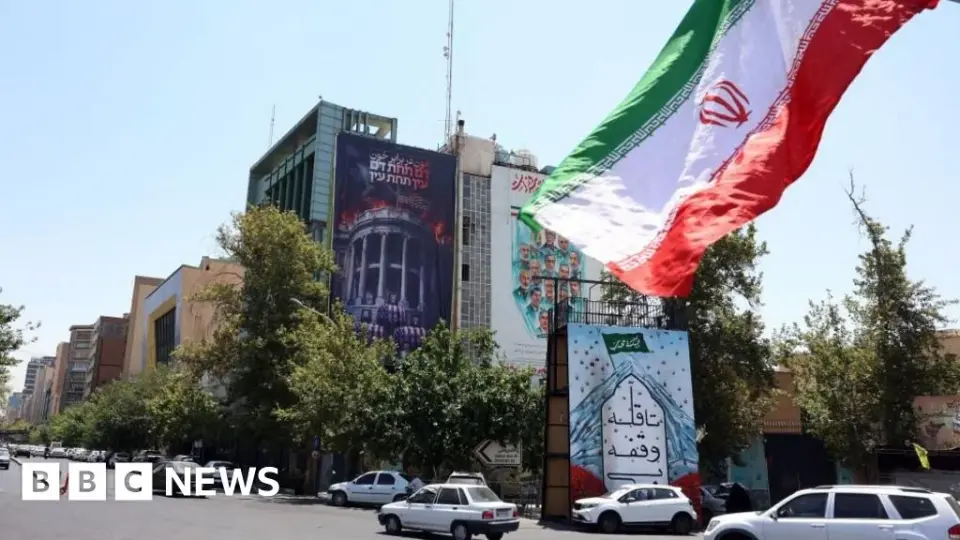
The IAEA has expressed 'increasing concern' regarding its inability to inspect an underground uranium enrichment facility in Isfahan, Iran, which Tehran has blocked since June 2025. While the US military denies Iranian claims of damaging a radar system in Bahrain, citing successful drone interceptions, Washington appears to be moving away from a formal diplomatic resolution, with President Trump stating that a deal with Iran is unnecessary.
Key points
- The International Atomic Energy Agency (IAEA) reported it cannot verify the location, status, or contents of the Isfahan Fuel Enrichment Plant (IFEP), an underground facility Iran acknowledged but has refused to allow inspectors to visit since February 2026.
- Iran has blocked IAEA access to its nuclear sites since the US and Israeli strikes in June 2025, citing 'acts of aggression' that make safeguards implementation 'legally untenable' and 'materially impracticable.'
- The IAEA believes a significant portion of Iran’s highly enriched uranium stockpile, estimated at 441kg enriched to 60% prior to the strikes, may be buried at the Isfahan site, though the condition of underground facilities remains unclear.
- US Central Command (CENTCOM) denied Iranian claims of destroying a US early-warning radar in Bahrain, stating that two Iranian drones were shot down with no injuries or damage, contradicting Iranian state media reports.
- President Trump stated that the US does not need a deal with Iran, suggesting a shift away from diplomatic negotiations, while Defense Secretary Pete Hegseth claimed over 80% of Iran’s nuclear industrial base has been destroyed.
Background
This development follows a period of heightened tensions since the June 2025 strikes on Iranian nuclear sites, which included US and Israeli attacks on facilities in Isfahan. Previous IAEA reports in October 2026 noted that Iran had not attempted to repair damaged nuclear facilities, but the agency could not verify the status of its 440.9kg stockpile of 60% enriched uranium without access. The current standoff occurs amid ongoing regional conflicts, including Houthi attacks in Yemen and disputes over the Strait of Hormuz, where Iran has restricted navigation and claimed to have sunk vessels with mines.
How outlets are covering it
The IAEA and Western outlets like CBS News emphasize the lack of transparency and the potential for undeclared nuclear material, framing Iran’s refusal as a violation of non-proliferation norms. In contrast, Iranian state media and the IRGC frame the blockade as a justified response to US 'aggression' and 'threats,' arguing that safeguards are 'materially impracticable' under current conditions. Al Jazeera highlights the conflicting narratives over the Bahrain incident, noting that while the US denies the radar strike, Iran claims it was a retaliatory action for US strikes on Iranian telecommunications infrastructure. The US perspective, as reported by CBS News, suggests a strategic shift away from diplomacy, with Trump asserting that the war is 'militarily effectively over' and that no deal is necessary, while Iran insists it will not remove any enriched uranium from the country.
Why it matters
The inability to verify Iran’s nuclear stockpile and the lack of diplomatic progress raise the risk of renewed conflict or nuclear proliferation. The US denial of the Bahrain strike and Iran’s retaliatory claims indicate that low-level hostilities may continue, potentially escalating into a broader regional war. The US stance of not needing a deal could leave the nuclear issue unresolved, undermining non-proliferation efforts and increasing tensions in the Middle East.
What to watch
The IAEA may continue to request access to the Isfahan facility, but Iran is likely to maintain its refusal unless a formal ceasefire is implemented. The US may continue to monitor the situation without direct diplomatic engagement, while Iran could escalate its actions in the Strait of Hormuz or against US assets in the region. The lack of a diplomatic resolution may lead to further instability, with potential for renewed strikes or negotiations mediated by third parties like Russia.
- UN watchdog 'increasingly concerned' over Iran nuclear site BBC
- Iran war live: US says shot down 2 drones over Bahrain, denies radar strike Al Jazeera
- IAEA increasingly concerned about Iranian enrichment plant, its report says Reuters
- Iran tells UN nuclear agency that monitoring cannot proceed while it is under threat AP News
- Live Updates: U.N. agency pushes for access to key Iran nuclear site as Trump says deal to end war unnecessary CBS News
Want the full story? Read the original reporting
Read on BBC