
North American Trade Fracture Exposes Critical Vulnerability to Chinese Coercion
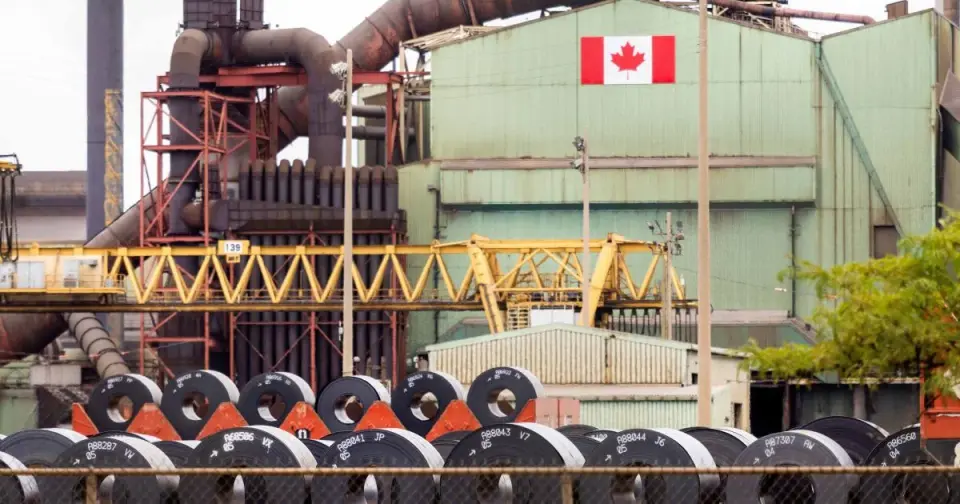
The escalating U.S.-Canada trade dispute is undermining North America’s ability to counter Chinese economic coercion. While Washington and Ottawa clash over tariffs, Beijing has demonstrated its power to disrupt integrated supply chains, leaving the region exposed to external threats.
Key points
- China’s 2025 export bans on semiconductors and rare earths disrupted North American auto production, causing significant losses for firms like Honda and Ford.
- U.S. Section 338 tariffs on Canada, effective August 2026, apply to USMCA-compliant goods, violating previous trade commitments and penalizing firms that invested in North American supply chains.
- Foreign Affairs argues that the U.S., Canada, and Mexico must align tariffs, subsidies, and stockpiling strategies to counter China’s growing monopoly power.
- Fox News characterizes the current U.S.-Canada dispute as a 'skirmish' compared to potential January 2026 tariffs on autos, while The Washington Post criticizes the trade war as strategically incoherent.
- The U.S. refusal to renew the USMCA in July 2025 has triggered an implicit renegotiation, with critics warning that internal disputes weaken the region’s leverage against Beijing.
Background
The U.S.-Canada trade dispute has intensified since 2025, with Trump imposing tariffs on Canadian goods and threatening further measures on autos. Previous coverage noted risks to cross-border small businesses and auto jobs, while GOP lawmakers have pressed the administration on its Canada strategy. The current conflict occurs amid broader tensions over China’s economic influence in North America.
How outlets are covering it
Foreign Affairs emphasizes the strategic danger of North American fragmentation, arguing that internal trade disputes leave the region vulnerable to Chinese coercion. Fox News downplays the current tariffs as a minor 'skirmish' but warns of a full trade war if January 2026 auto tariffs take effect. The Washington Post criticizes the trade war as 'stupid,' highlighting its incoherence and negative impact on allies. The Atlantic frames the dispute as an absurd escalation, questioning Trump’s hostility toward Canada versus his respect for North Korea.
Why it matters
The U.S.-Canada trade conflict threatens to unravel North American supply chain integration, weakening the region’s ability to counter Chinese economic dominance. Misaligned tariffs and subsidies could incentivize transshipment and undermine collective resilience, while internal disputes distract from the need for coordinated policy against Beijing’s growing monopoly power.
What to watch
U.S.-Canada trade negotiations will likely continue amid threats of higher tariffs on autos and other goods in January 2026. The USMCA renegotiation may focus on aligning tariffs, subsidies, and stockpiling strategies to counter China. However, internal disputes and protectionist lobbies could hinder progress, leaving North America exposed to external coercion.
- The Real Risk of a Trade War With Canada Foreign Affairs
- Fears of a Canadian trade war are overblown. So far, it’s more of a skirmish Fox News
- Opinion | The multifaceted stupidity of Trump’s Canadian trade war The Washington Post
- Trump: ‘I don’t want Canadian anything’ The Hill
- How Did Trump’s Trade Fight With Canada Go So Sideways? The Atlantic
Want the full story? Read the original reporting
Read on Foreign Affairs