
Trump's 300,000-Ton Beef Import Plan Faces Backlash and Skepticism
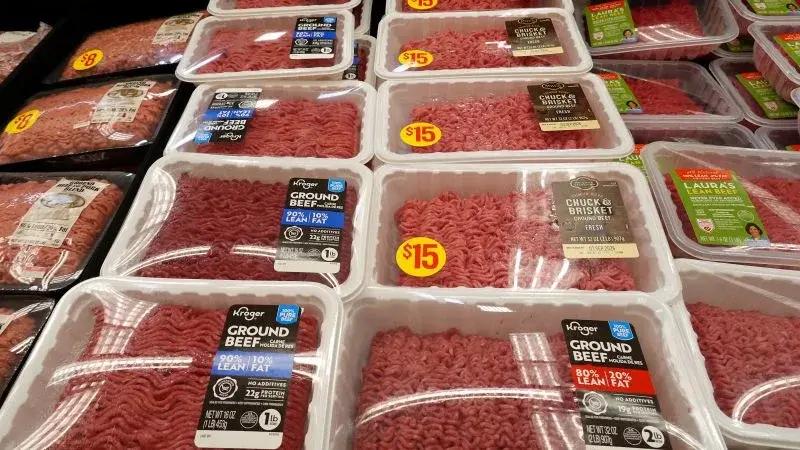
President Trump signed a proclamation allowing 300,000 metric tons of imported beef to enter the US duty-free for 90 days, starting September 1. The imports must be sold at 25% below market price to address record-high beef costs. However, economists and ranchers argue the measure will have minimal impact on consumer prices and may harm domestic producers.
Key points
- The executive proclamation allows 300,000 metric tons of beef, equivalent to roughly 2% of US consumption, to enter duty-free for 90 days starting September 1.
- Imports are restricted to lean beef trimmings, which are blended with other cuts to make ground beef, limiting the scope of price reductions.
- Ground beef prices have risen to an average of $6.89 per pound, up 27% from three years ago, driven by high demand and a multi-decade low in cattle inventory.
- Ranchers and agricultural groups, including the American Farm Bureau Federation, criticized the move as 'blindsiding' producers and threatening herd expansion efforts.
- The White House aims to lower prices before the midterm elections, with internal polling showing grocery costs are a primary concern for voters.
Background
This move follows earlier announcements in August 2026 where Trump proposed similar tariff waivers to address rising beef prices. Previous coverage noted that beef costs had increased by approximately 25% since the administration took office due to tariffs and supply-chain issues. The current policy is part of a broader strategy to address affordability concerns ahead of the November midterm elections, following a similar proposal that was shelved in May due to internal divisions.
How outlets are covering it
CNN and CBS News highlight the skepticism from agricultural economists and ranchers, noting that the import volume is small relative to total consumption and that the exemption applies only to trimmings. The Atlantic emphasizes the political rift within the Republican party, with industry leaders and congressional allies condemning the move as counterproductive. Politico focuses on the White House's internal calculations, citing anonymous sources who state that the administration prioritized broad consumer appeal over rancher support to mitigate inflation fears before the midterms. While the White House asserts the plan protects American ranchers, CBS News reports that ranchers fear the move will depress live-market prices and hinder herd rebuilding.
Why it matters
The policy highlights the tension between short-term consumer price relief and long-term domestic agricultural stability. If the imports fail to lower prices significantly, it could exacerbate political divisions ahead of the midterms. Conversely, if it succeeds, it may set a precedent for future tariff waivers, potentially undermining US beef producers' global competitiveness.
What to watch
An executive order is expected within two weeks to formalize the details of the import program. The administration is also drafting measures to allow ranchers to process their own meat, though the legal authority for this remains unclear. Monitoring of import prices and supply chain impacts will be critical in the coming months to assess the policy's effectiveness.
- Trump is letting in 300,000 tons of beef duty-free. Don’t expect cheaper burgers CNN
- Trump’s Bad Bet on Beef The Atlantic
- Cattle ranchers express concern about U.S. plan to boost foreign beef imports CBS News
- Trump scoffs at ‘affordability’ issues. The White House knows it’s a big deal. Politico
- Trump signs proclamation to pause some beef tariffs despite backlash from farmers, GOP ABC News - Breaking News, Latest News and Videos
Want the full story? Read the original reporting
Read on CNN