
Ratcliffe's Moscow Trip: A Warning on NATO or a Plea on Iran?
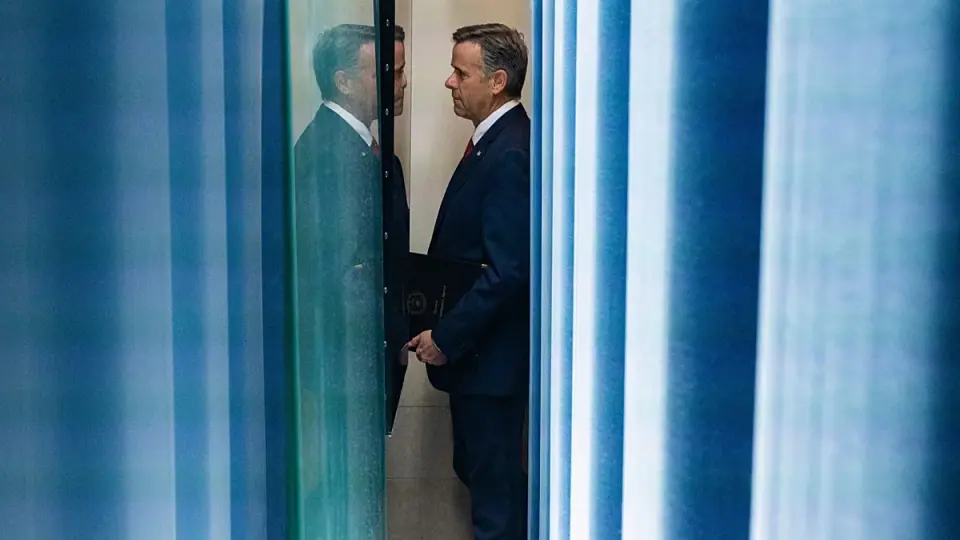
CIA Director John Ratcliffe’s unannounced trip to Moscow has sparked debate over its purpose. While Washington intelligence suggests Moscow views the US as weakened by the Iran war, potentially prompting aggression against NATO, some officials argue the visit was primarily aimed at pressuring Russia to cut support for Iran. Baltic states maintain their threat assessments are unchanged, though they are increasing preparedness for hybrid threats.
Key points
- Ratcliffe met with Russian intelligence officials, not Putin, to deliver a warning against attacks on NATO members, particularly the Baltic states.
- US intelligence indicates the Kremlin perceives US weakness due to the ongoing Iran conflict, creating a potential window for Russian escalation in Europe.
- Former Estonian President Toomas Hendrik Ilves argues the trip’s primary goal was to pressure Russia over its support for Iran, not to address Baltic security.
- Baltic officials state their conventional threat assessments remain unchanged, but they are urging the EU to strengthen eastern flank defenses and hybrid threat preparedness.
- The visit echoes William Burns’ 2021 trip, which preceded the invasion of Ukraine, though no large-scale Russian military buildup is currently visible near the Baltics.
Background
This follows a period of heightened tensions, including Zelenskyy’s April warnings about Russian mobilization and subsequent Baltic concerns about limited attacks on critical infrastructure. The visit marks the first CIA director trip to Moscow since 2021, a period when similar diplomatic efforts failed to prevent the invasion of Ukraine.
How outlets are covering it
Outlets disagree on the trip’s primary motive. The Washington Post and CNN emphasize US intelligence that Russia sees the US as weakened by the Iran war, potentially leading to escalation in Europe. The New York Times, cited by ABC News, suggests Ratcliffe aimed to urge Russia to cut a deal in Ukraine. Conversely, Euronews highlights Ilves’s view that the trip was about Iran, not the Baltics. A European military source told Euronews that while no decision to act is evident, a distracted Washington could present Moscow with an opportunity.
Why it matters
The ambiguity surrounding Ratcliffe’s mission highlights the strategic uncertainty facing NATO. If Russia perceives US distraction as an opportunity, it could test Article 5 with limited strikes, potentially destabilizing Europe without triggering a full-scale war. The trip underscores the complex interplay between the Ukraine and Iran conflicts and their impact on global security dynamics.
What to watch
Analysts will monitor for any Russian military movements or hybrid attacks in the Baltic region. The US may continue to pressure Russia to reduce support for Iran, while European nations are expected to accelerate defense preparations and critical infrastructure protection. Trump’s stance on NATO and Ukraine will remain a key factor in assessing US commitment to European security.
- CIA director's secret Moscow trip raises more questions than answers Euronews.com
- Exclusive | CIA Chief’s Surprise Moscow Trip Was to Warn Russia Not to Attack NATO WSJ
- Both Trump and Putin feel backed into a corner ABC News & Headlines – Australian Broadcasting Corporation
- Secret CIA visit highlights Putin and Trump’s common strategic trap CNN
- Putin sees U.S. as weakened by Iran war, intelligence reports say The Washington Post
Want the full story? Read the original reporting
Read on Euronews.com