
Iran positions 14 tankers at Kharg Island to challenge US naval blockade
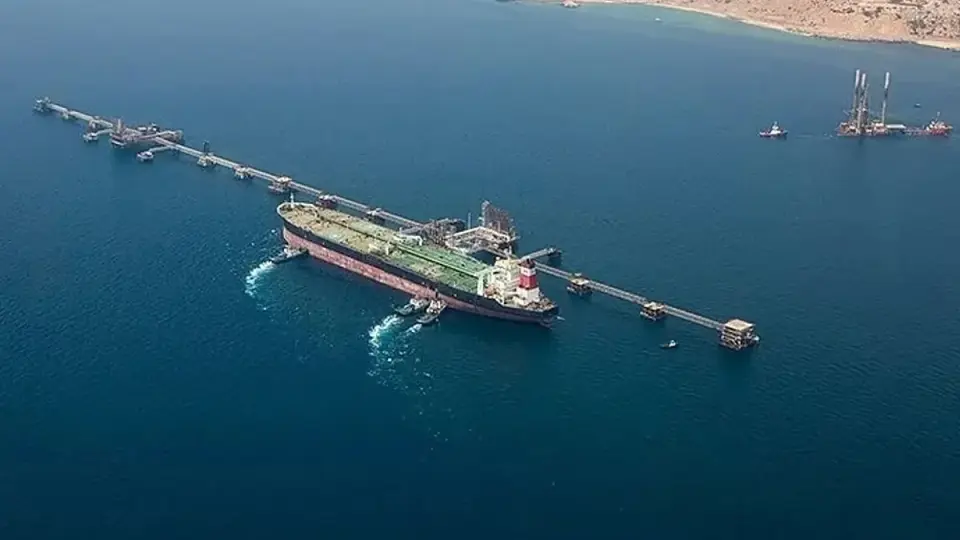
Iran has assembled a convoy of over 14 oil tankers at Kharg Island, preparing to attempt a breakout from the US naval blockade. Satellite data confirms crews are assigned and Iranian flags are raised, with plans to move toward the Sea of Oman. This move follows recent ship-to-ship transfers in the Persian Gulf and comes as Washington tightens enforcement against vessels evading the blockade.
Key points
- Iran has positioned more than 14 oil tankers at Kharg Island, a terminal handling 85-90% of its crude exports, with crews assigned and flags raised.
- The convoy is planned to move toward the Sea of Oman exit in the coming days, aiming to restore oil exports to Asian markets.
- US Central Command issued an advisory warning that ships receiving cargo via ship-to-ship transfers from blocked vessels may be stopped, boarded, or captured.
- Iranian officials and IRGC spokesmen have warned that any attack on their tankers could trigger strikes against oil facilities in the UAE, Saudi Arabia, and other Gulf states.
- US Energy Secretary Chris Wright stated that energy flows through the Strait of Hormuz are increasing despite the tensions, claiming supply has risen for several weeks.
Background
The US imposed a naval blockade on Iran in mid-July after a previous agreement collapsed, following an initial imposition in April. Since then, Iran has faced mounting financial pressure as loading operations at Kharg Island halted. Recent archive reports indicate a sharp escalation in maritime incidents, including multiple tankers disabled by mines in the Strait of Hormuz and US airstrikes on Qeshm Island. Iran’s economy, heavily reliant on oil which constitutes roughly 30% of its GDP, is under significant strain, with exports potentially falling to zero.
How outlets are covering it
Euronews highlights the logistical preparation of the tanker convoy and the potential for direct confrontation, noting that Iran is using a diplomatic window where the US has signaled no urgency to restore exports. Al Jazeera emphasizes the strategic calculus, noting that while Iran cannot militarily break the blockade due to US naval superiority, it may seek to make enforcement politically and economically costly. Al Jazeera also notes that CENTCOM’s new advisory targets the loophole of ship-to-ship transfers, which have allowed some Iranian petroleum products to reach markets despite the blockade. Both sources agree that the situation raises the risk of a wider regional confrontation, particularly if US forces attack Iranian vessels, potentially drawing in Gulf states whose commercial interests may not align with US sanctions.
Why it matters
The blockade is a critical pressure point in the ongoing US-Iran conflict. Iran’s attempt to break the blockade could trigger a broader regional war if it leads to attacks on Gulf energy infrastructure. Conversely, the success of the blockade could force Iran to the negotiating table, but the risk of escalation remains high as Tehran seeks to alleviate economic pressure. The situation also affects global energy markets, with the Strait of Hormuz being a vital chokepoint for oil and gas trade.
What to watch
The next few days will be critical as the Iranian tanker convoy attempts to move toward the Sea of Oman. The US military’s response to this potential breakout will determine whether the situation escalates into a wider conflict. Additionally, the effectiveness of the blockade in curbing Iranian oil exports will be a key factor in determining the economic pressure on Tehran. Diplomatic efforts to resolve the conflict may also be influenced by the outcome of this confrontation.
- Iran readies tanker convoy at Kharg Island to test US oil blockade Euronews.com
- US targets Iran’s ship-to-ship transfers: Can Tehran break the blockade? Al Jazeera
- Iranian Oil Moved Between Tankers as US Widens Blockade Bloomberg.com
- Oil tanker loads Iranian crude in Gulf, TankerTrackers.com says Reuters
- U.S. Expands Iranian Blockade As Ship Attacks Continue USNI News
Want the full story? Read the original reporting
Read on Euronews.com