
Iran rejects US pressure, insists on seven-point peace plan amid renewed strikes
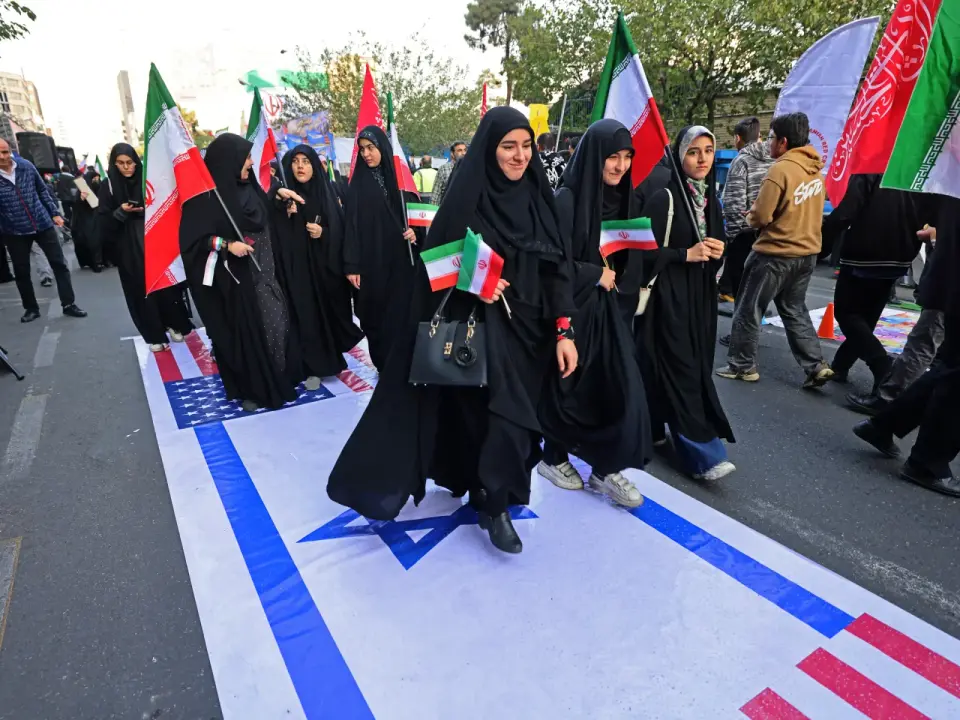
Iran maintains its seven-point demand list to end the war despite recent US airstrikes on Qeshm Island. While Washington labels the strikes defensive, Tehran insists its terms, which include lifting sanctions and reopening the Strait of Hormuz, are the only logical path to peace. Mediation efforts continue, with a potential meeting between US President Donald Trump and Qatari PM Sheikh Mohammed bin Abdulrahman bin Jassim Al Thani scheduled for Monday. However, analysts note that Iran’s demand for immediate concessions before providing any in return remains a major sticking point for Washington and its allies.
Key points
- US airstrikes hit Qeshm Island in Hormozgan province, targeting military infrastructure but avoiding residential areas, according to Iranian officials.
- Iran’s Foreign Ministry rejects US Secretary of State Marco Rubio’s characterization of its peace demands as unrealistic, insisting its plan is the only viable option for regional security.
- The seven demands largely mirror a June memorandum of understanding but add new stipulations regarding the future of the Strait of Hormuz and the lifting of sanctions.
- Iran refuses to surrender its highly enriched uranium, which is believed buried under rubble from previous strikes, but remains open to downblending the material.
- Iranian state media reports that 11 tankers have been attacked in the past 10 days, with four unable to continue transit, as the IRGC warns against unauthorized routes in the Strait of Hormuz.
- Trump has marked 38 civilian infrastructure sites, including bridges, as potential targets if the war escalates, though he has downplayed the likelihood of a full-scale conflict.
Background
This latest escalation follows a seven-month war that began in early 2026. In October, the US deployed approximately 9,000 additional troops to the Middle East, and Israeli Prime Minister Benjamin Netanyahu demanded regime change in Iran. The conflict has also sparked significant international protests, including a 200,000-person march in Amsterdam on November 8, 2026, demanding an end to arms sales to Israel. The current standoff is part of a broader pattern of 'controlled escalation' by Iran, as noted by analysts, where Tehran seeks to leverage economic pressure on Gulf states to force Washington into compromise.
Why it matters
The ongoing standoff threatens to disrupt global energy supplies, as the Strait of Hormuz is a critical chokepoint for oil and gas. The failure to reach a diplomatic resolution could lead to a wider regional conflict, with potential impacts on global markets and security. The US midterm elections in November are a key factor, as both sides are maneuvering for advantage before and after the vote.
What to watch
Mediation efforts are expected to continue, with a potential meeting between Trump and the Qatari PM on Monday. However, without a breakthrough in the core disagreements over concessions and timelines, the risk of further strikes and economic disruption remains high. Iran’s strategy of controlled escalation may continue, with potential impacts on Gulf states and global energy markets.
- Iran stands by demands to end the war as US ramps up military pressure Al Jazeera
- Iran defends two-day proposal for peace talks after US rejects conditions Reuters
- Iran gives US 2-day diplomacy ultimatum The Hill
- US and Iran Edge Closer to Deal With Nuclear Issue Back in Play Bloomberg.com
- Iran says peace talks could restart in 2 days if US lifts blockade NewsNation
Want the full story? Read the original reporting
Read on Al Jazeera