
Trump Demands Iran Pay for Casualties as Hormuz Control Dispute Deepens
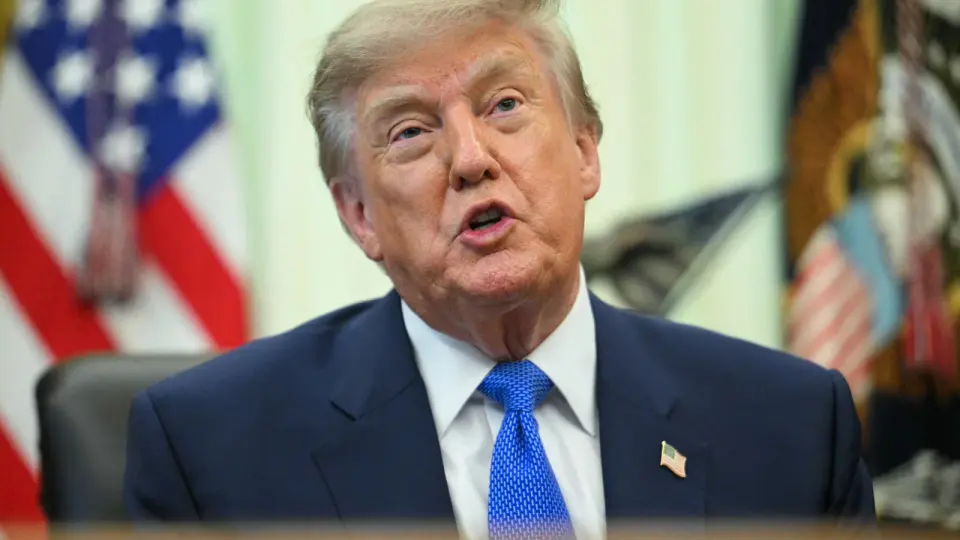
President Donald Trump claims the U.S. Navy has cleared mines and holds total control of the Strait of Hormuz, while demanding Iran pay reparations for war casualties and past regime violence. Tehran rejects this, insisting the strait remains closed until Washington lifts its naval blockade, withdraws forces, and pays Iran for war damages. This impasse keeps oil prices elevated and tanker traffic subdued, with both sides viewing the other’s actions as the primary obstacle to normalizing shipping.
Key points
- Trump stated the U.S. Navy has swept the Strait of Hormuz clear of mines and now holds 100% control, describing the posture as a steel wall against sporadic Iranian mine-laying.
- Trump demanded Iran compensate the U.S. for people killed or wounded in roadside bombings and other attacks, as well as for Iranian protesters killed by the regime over the past 50 years.
- Iran’s Supreme National Security Council secretary, Mohammad Bagher Zolghadr, stated the strait will not reopen until the U.S. lifts its naval blockade and sanctions, withdraws forces, pays war reparations, and releases frozen Iranian assets.
- Iran’s foreign ministry rejected U.S. claims that sanctions are suffocating the economy, calling the reliance on sanctions a compulsive addiction when diplomacy fails.
- Oil prices rose on hardening rhetoric, with West Texas Intermediate crude climbing about 5% to $82.13 per barrel and Brent crude rising to $87.72 per barrel.
- The U.S. has maintained a naval blockade of Iranian ports since mid-April, while Iran insists the strait remains closed until its demands are met.
Background
This dispute follows a series of stalled negotiations since early 2026. In June, a memorandum of understanding between the U.S. and Iran fell apart, and in July, tanker traffic remained well below pre-war levels as Iran asserted control over transit routes. Earlier in August, Trump had already linked reparations for casualties in Lebanon, Syria, Yemen, and Gaza to peace talks, but progress has stalled amid Tehran’s demands for sanctions relief and force withdrawal.
How outlets are covering it
CNBC emphasizes the U.S. military’s claimed total control of the Strait of Hormuz and the new reparations demand as a strategic shift to pressure Iran economically. USA Today highlights the specific details of Trump’s reparations demand, including the 2000 USS Cole attack and the compensation for Iranian protesters, while noting Trump’s recent comments about low-keying military action to let economic pressure take its toll. Both outlets agree that the impasse is driven by conflicting definitions of control: Washington views its naval presence as a guarantee of access, while Tehran views it as the primary obstacle to normalizing traffic.
Why it matters
The Strait of Hormuz carries roughly a fifth of the world’s oil, and its closure or restricted access directly impacts global energy prices and supply chains. The current impasse risks prolonged economic distress for Iran and sustained high oil prices for global markets, while the lack of progress in negotiations could lead to further regional instability or a full-blown conflict if either side escalates.
What to watch
Negotiations are expected to remain stalled as both sides hold firm on their demands. The U.S. is likely to continue its naval blockade and economic pressure, while Iran may maintain its closure of the strait and sporadic mine-laying. Any breakthrough would require a compromise on the reparations and sanctions issues, but no such compromise is currently in sight.
- Trump claims total control of Hormuz, demands Iran pay reparations as standoff deepens CNBC
- Trump demands compensation from Iran as talks on Strait of Hormuz continue Al Jazeera
- Hopes for Hormuz deal fade as Trump demands Iranian reparations reuters.com
- Live Updates: Trump demands Iran pay compensation after Tehran makes conditions for reopening Strait of Hormuz CBS News
- Trump demands Iran pay US 'for all the people they have killed' USA Today
Want the full story? Read the original reporting
Read on CNBC