
Arizona Confirms Third U.S. Screwworm Case as El Niño Intensifies Winter Outlook
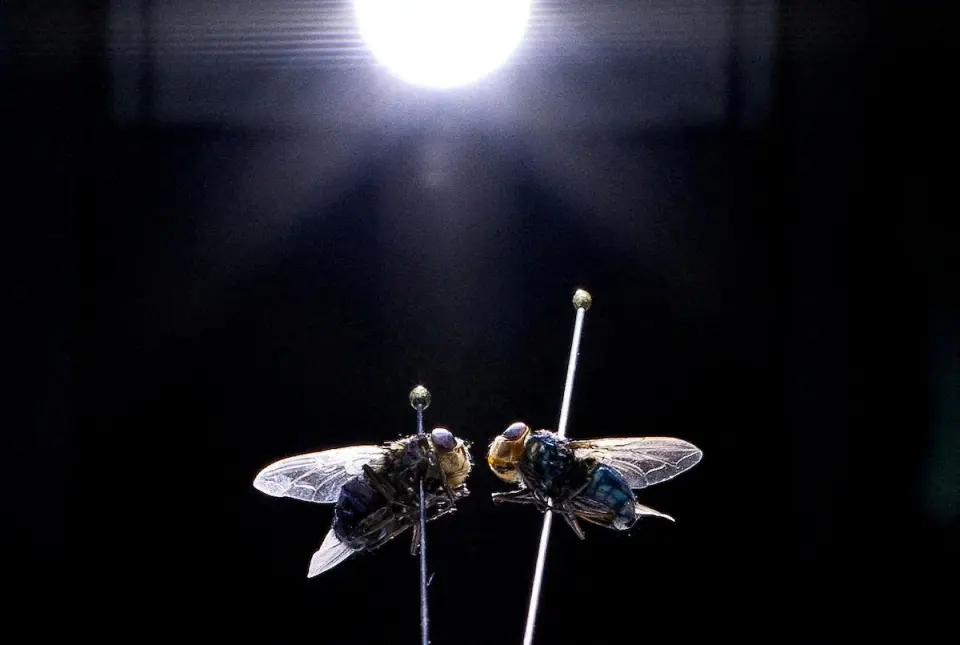
Arizona has confirmed its first case of New World screwworm in a dog, marking the third U.S. state affected by the parasitic fly. Simultaneously, NOAA and other agencies warn that a record-breaking El Niño will likely bring warmer, wetter conditions to much of the U.S. this winter, with significant regional variations in precipitation and temperature.
Key points
- Arizona’s Cochise County reported a confirmed screwworm infestation in a dog, following cases in Texas and New Mexico.
- The USDA has recorded 71 animal cases since June, including the first wildlife case in an elk in Texas.
- NOAA forecasts a 'Super El Niño' that may be the strongest on record, driving warmer temperatures and above-average precipitation in the South and West Coast.
- Forecasters warn that while El Niño increases flood risks, it does not guarantee specific weather outcomes, and some regions like the Pacific Northwest may remain dry.
- The CDC states the risk of human infection from screwworm remains very low, with no confirmed U.S. human cases.
Background
The return of New World screwworm to the U.S. after decades of eradication began in June 2026 with a calf case in Texas. Subsequent detections in New Mexico and a wildlife case in an elk in Pecos County, Texas, prompted expanded surveillance and quarantine zones. Meanwhile, El Niño has been a recurring topic in climate discussions, with previous strong events in 1997-98 and 2015-16 causing significant global weather disruptions.
How outlets are covering it
The Washington Post and NPR emphasize the immediate public health and agricultural concerns regarding screwworm, noting the USDA’s swift response and the low risk to humans. In contrast, The New York Times and WOWT focus on the broader climatic impacts of El Niño, highlighting its potential to exacerbate droughts in some areas while causing flooding in others. The NYT notes that El Niño’s effects are not guaranteed but tilt probabilities, while WOWT suggests Omaha may see above-average snowfall due to the El Niño’s influence on jet streams. There is a consensus that El Niño is a major driver of winter weather, but disagreement exists on the exact regional outcomes, particularly regarding snowfall in the Midwest.
Why it matters
The spread of New World screwworm poses a threat to livestock and wildlife, potentially impacting agriculture and requiring continued federal intervention. Simultaneously, the record-breaking El Niño could lead to significant economic and environmental consequences, including coastal flooding, droughts, and shifts in agricultural yields. Understanding these phenomena is crucial for preparedness and resource allocation across the U.S.
What to watch
The USDA will continue monitoring and containing screwworm cases, potentially adjusting cattle import policies from Mexico. For El Niño, meteorologists will track its peak intensity in December, with forecasts for winter weather expected to evolve as the pattern develops. Communities in flood-prone areas are advised to prepare for potential coastal inundation, while drought-affected regions may see some relief from increased precipitation.
- New World screwworm, a ‘devastating pest,’ is found in Arizona dog The Washington Post
- Forecasters are predicting a warmer and wetter winter. Here's how El Niño will affect your region NPR
- Everything You Could Possibly Want to Know About El Niño The New York Times
- Rusty’s 2026-27 Winter Weather Outlook WOWT
- What a record-setting El Niño could mean for Tennessee this winter The Tennessean
Want the full story? Read the original reporting
Read on The Washington Post