
2026 Atlantic Hurricane Season Hits Historic Lull as El Niño and Saharan Dust Suppress Storms
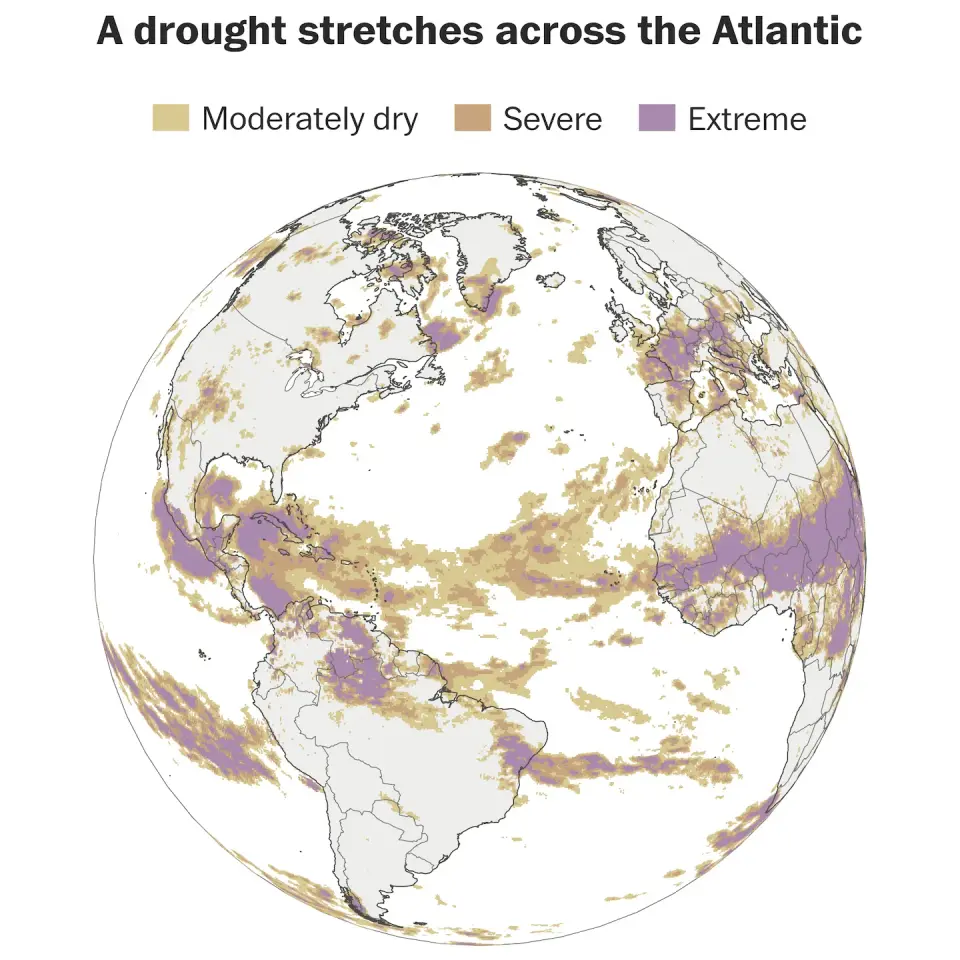
The 2026 Atlantic hurricane season has become historically quiet, with no hurricanes forming by mid-September, a record late start. This inactivity is primarily driven by a strengthening El Niño event in the Pacific, which creates hostile wind shear over the Atlantic, combined with high levels of Saharan dust. While the Atlantic remains calm, the Pacific has seen above-average activity, including four hurricanes. Forecasters note that while the current lull is unprecedented, the season is not over, and the long-term impacts of El Niño, such as global heating and drought, may outweigh the benefits of a quiet Atlantic.
Key points
- No Atlantic hurricane has formed by September 15, 2026, marking the latest first hurricane in the reliable record (since 1950) and the first time since 1907 and 1914 that the season may end without a hurricane.
- A 'very strong' El Niño event, with Pacific sea surface temperature anomalies reaching 2°C, is generating significant wind shear that tears apart developing tropical systems in the Atlantic.
- Saharan dust and dry air are further suppressing storm formation in the main development region, contributing to a record-low Accumulated Cyclone Energy (ACE) of just 7% of normal levels by mid-September.
- The Pacific hurricane season is active, with 14 named storms and four hurricanes, including two major hurricanes (Genevieve and Karina), contrasting sharply with the Atlantic's quietude.
- NOAA predicted a 75% chance of below-normal Atlantic activity for 2026, with forecasts of 7-13 named storms and 2-6 hurricanes, aligning with the current lack of major systems.
Background
Previous coverage in September 2026 highlighted the record-long lull in Atlantic hurricane activity, with no hurricanes forming for over 100 days. Earlier reports noted that while the Atlantic was quiet, the Pacific was busy, and forecasters warned that the lull could end, as late-start seasons have historically produced major hurricanes. The current situation confirms the unprecedented nature of the 2026 season, with the latest first hurricane on record occurring on September 11 in 2002 and 2013.
How outlets are covering it
The Washington Post and Ars Technica emphasize the role of El Niño and Saharan dust in suppressing Atlantic storms, noting the historic nature of the lull. The Atlantic focuses on the political reaction, with President Trump taking credit for the quiet season, which The Atlantic criticizes as absurd. wlwt.com provides detailed data on the El Niño event and its impact on both Atlantic and Pacific seasons, highlighting the contrast between the two basins. All sources agree on the unprecedented quietude of the Atlantic season, but differ in their focus on the causes (El Niño vs. Saharan dust) and the broader implications (political credit vs. global climate impacts).
Why it matters
The 2026 Atlantic hurricane season's historic lull highlights the complex interplay between global climate patterns, such as El Niño, and regional weather phenomena. While a quiet season may seem beneficial, it is part of a broader El Niño event that could lead to significant global impacts, including drought, poor harvests, and record-breaking temperatures in 2027. The lack of Atlantic hurricanes also raises questions about the long-term effects of climate change on storm patterns and the potential for a rebound in activity as El Niño fades.
What to watch
The Atlantic hurricane season continues through November 30, 2026, with the possibility of late-season storms forming near the Gulf of Mexico and the Southeast U.S. Forecasters will monitor the single disturbance currently in the Atlantic, though its chance of becoming a hurricane is low. The long-term impacts of El Niño, including global heating and drought, will be closely watched as the event peaks in the fall and winter of 2026.
- The surprising reason there have been no Atlantic hurricanes this year The Washington Post
- Atlantic season sets a record-late start with no hurricanes yet wlwt.com
- Where Are All the Atlantic Hurricanes? Why This Year Is So Quiet. The New York Times
- How Long Can the U.S. Escape an Atlantic Hurricane? The Atlantic
- This Atlantic hurricane season is about to do something that hasn’t happened in 175 years Ars Technica
Want the full story? Read the original reporting
Read on The Washington Post