
New Pelvis Analysis Suggests Homo floresiensis Walked More Like Modern Humans
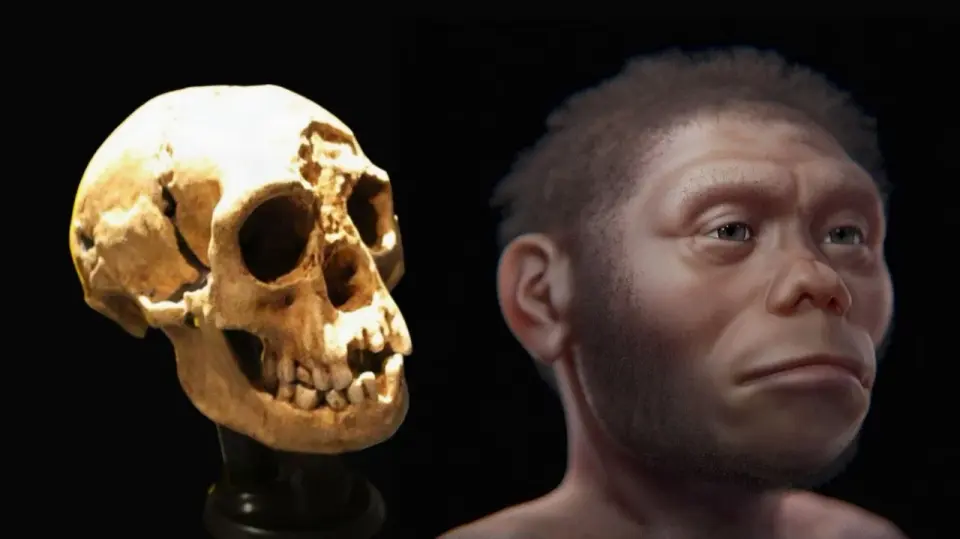
A new study of the pelvis of Homo floresiensis, often called the 'hobbit,' indicates the species walked more like modern humans than previously believed. Researchers used micro-CT scans to analyze the hip bones of an adult female fossil from Flores, Indonesia, dated between 100,000 and 60,000 years ago. The findings show that nearly all pelvic features fall within the range of Homo sapiens, suggesting a more efficient upright gait than earlier estimates implied. However, the species likely moved slower and may have still used trees, as they were not built for long-distance travel. This new data adds to the debate over the origins of this small-bodied human relative, which remains unresolved.
Key points
- Researchers analyzed micro-CT scans of the pelvis of LB 1, an adult female Homo floresiensis from Liang Bua cave in Flores, Indonesia.
- The study compared the fossil's hip bones with those of living humans, African apes, and 26 other fossil hominins.
- Nearly all measured pelvic features of LB 1 fell within the range of modern humans, with only the ischium length falling outside this range.
- The findings suggest Homo floresiensis had a form of upright walking closer to other Homo species than to australopiths or African apes.
- Despite the human-like pelvis, the species likely moved slower and was not built for long-distance walking, with some tree use still possible.
- The study does not resolve the debate over the origins of Homo floresiensis, which remains between descent from Homo erectus or an earlier small-bodied Homo population.
Background
Homo floresiensis was first described in 2003 from remains found at Liang Bua cave in Flores, Indonesia. Adults stood about 3.5 feet tall. The species has been a subject of debate in human evolution due to its mix of modern human and older hominin traits. Previous studies had reached mixed results on how the species walked, partly due to inconsistent methods for measuring iliac flare. This new study provides a more consistent basis for comparison, adding to the ongoing discussion about the species' place in human evolution.
Why it matters
Understanding how Homo floresiensis walked provides insight into the diversity of human evolution and the adaptations of small-bodied human relatives. The findings challenge previous assumptions about the species' locomotion and contribute to the broader debate over its origins. This research highlights the complexity of human evolution and the need for further studies, including ancient DNA or protein analysis, to resolve the species' ancestry.
What to watch
Future research may focus on ancient DNA or protein analysis to provide new evidence about the evolutionary history of Homo floresiensis. The current study does not resolve the debate over the species' origins, which remains between descent from Homo erectus or an earlier small-bodied Homo population. Further studies may help clarify the species' place in human evolution and the adaptations of small-bodied human relatives.
Want the full story? Read the original reporting
Read on Archaeology News Online Magazine