anthropology46.305 min read
Ancient DNA Narrows First American Arrival to 21,000 Years Ago
5 days ago•Source: Archaeology News Online Magazine

The latest anthropology stories, each synthesized from multiple sources with added background and context.
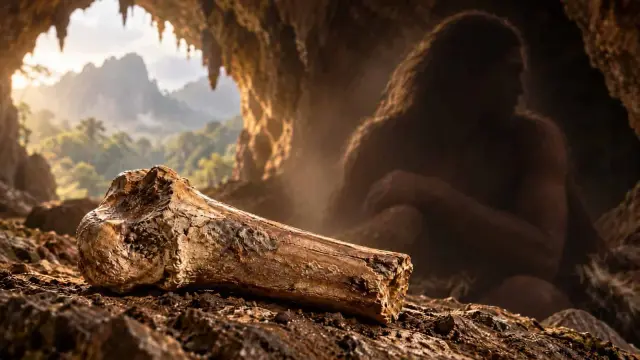
A 4.5 cm Denisovan forearm bone (radius) from Bianfu Cave in China shows a rare mix of Neanderthal-like joint surfaces and modern-human-like bone shape, filling a major anatomical gap in reconstructing the Denisovan arm and, alongside recent leg-bone findings suggesting extreme height, sheds light on what this elusive lineage looked like.
Archaeology News Online Magazine•1 month ago
Sci.News•2 months ago
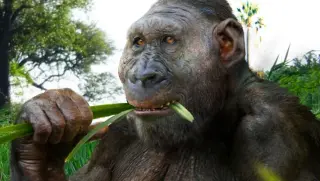
A new Science study argues that dietary sugars—glucose from fruit, honey, and later cooked starches—likely powered the energy demands of the expanding human brain over the last ~4 million years, suggesting carbohydrates played a central role alongside meat in human evolution, with meat remaining part of the picture.
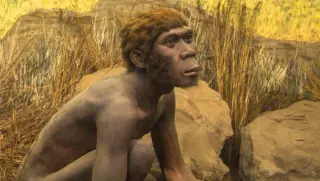
A new computational method called TRACE uncovers traces of two unknown archaic human lineages in modern genomes. One African ghost lineage, diverging ~800,000 years ago and interbreeding with Homo sapiens over 50,000 years ago, contributes about 1% of every person’s DNA. A second, “super-archaic” lineage dating to ~1.8 million years ago mixed with Denisovans in Eurasia, with traces most evident in Oceania. Together, these lineages account for roughly 2% of the modern genome and include segments linked to immunity and metabolism, hinting at adaptive value. The study, published in Science on July 30, 2026, showcases how ancestral recombination graph methods can reveal deep ancestry without ancient DNA.
Archaeologists in Spain recovered RVH-1, a thick parietal bone fragment from Ruidera, dated to up to 224,000 years ago using uranium-series dating and luminescence. The fragment's features resemble archaic Homo forms seen in Ceprano and Caune de l’Arago, indicating diverse Middle Pleistocene populations persisted in Iberia. The researchers classify RVH-1 as Homo sp. rather than a single species, cautioning against drawing broad conclusions from a partial bone and highlighting a non-linear, multi-population view of European human evolution.
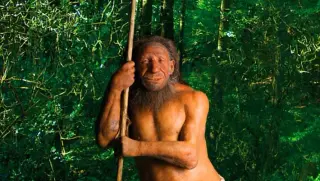
A Nature study sequenced 27 Neanderthals from Belgium and France (plus a high-quality genome from a 45,000-year-old Goyet Cave individual) and found that late Neanderthals in northwestern Europe formed a connected regional population with close ties across the region. Belgian specimens show no signs of mating among close relatives, and none of the Neanderthal genomes carry recent human DNA, suggesting asymmetry with modern humans. There is no evidence that harmful mutations accumulated over time, indicating extinction was not simply due to genetic deterioration; the final chapter of Neanderthal life in this region remains open, highlighting regional diversity and connectivity prior to their disappearance around 40,000 years ago.
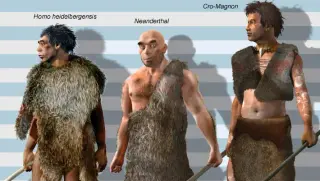
A University of Reading-led analysis of 386 fossil specimens across 21 hominin species used phylogenetically informed models to test how body size evolved. Contrary to a simple, steady increase, the data point to a major size jump late in the genus Homo, with Homo ergaster/erectus reaching ~60 kg on average and aligning with other shifts like increased bipedality and carnivory. Small-bodied lineages such as Homo floresiensis and Homo naledi remain exceptions, and any gradual, across-the-board size rise is only moderately supported and sensitive to dataset and methods. The study highlights a mosaic pattern of body-size evolution rather than a single upward trend.

Researchers sequenced 177 high-coverage genomes from 12 Near Oceanian populations and found that this region harbors some of the oldest human DNA, including a rich Denisovan legacy from at least three Denisovan-like groups. Near Oceanian genomes contain about 2.5 times more archaic DNA than Europeans and far more Denisovan DNA than East Asians, with high-frequency archaic variants linked to immunity and skeletal development, suggesting multiple interbreeding events and adaptive benefits. The findings reshape our understanding of Denisovans and human evolution and have implications for medical research in Oceanian populations.

A genetic analysis comparing Neanderthal genomes with African references shows Neanderthals carried far more modern human DNA on their X chromosome than on other chromosomes, while modern humans have very little Neanderthal DNA on their X. The researchers argue that this pattern results from sex-biased interbreeding—likely Neanderthal males with modern human females—rather than widespread genetic incompatibility. Computer simulations using a mating bias reproduce the observed distribution, suggesting social/partner-choice factors shaped inheritance. The team plans to investigate population structure to determine which sex moved between groups and how cultural practices influenced mating in ancient encounters.
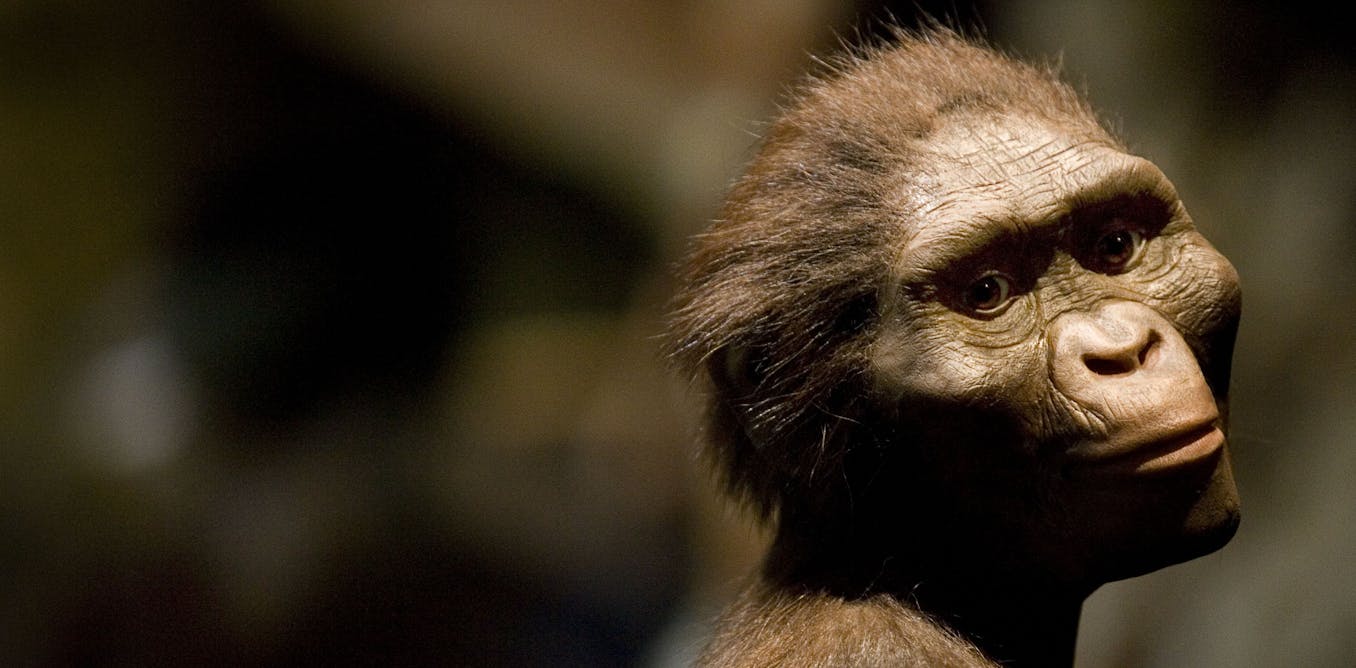
The 3.2-million-year-old Lucy fossil, a key specimen of Australopithecus afarensis, challenges our understanding of early human nudity and cultural perceptions of shame. Technological advancements suggest Lucy may have been less hairy than previously thought, aligning with theories that early humans lost most body hair millions of years ago. The depiction of Lucy in modern media often reflects contemporary cultural biases rather than scientific accuracy, revealing more about our own views on nudity, shame, and gender roles.
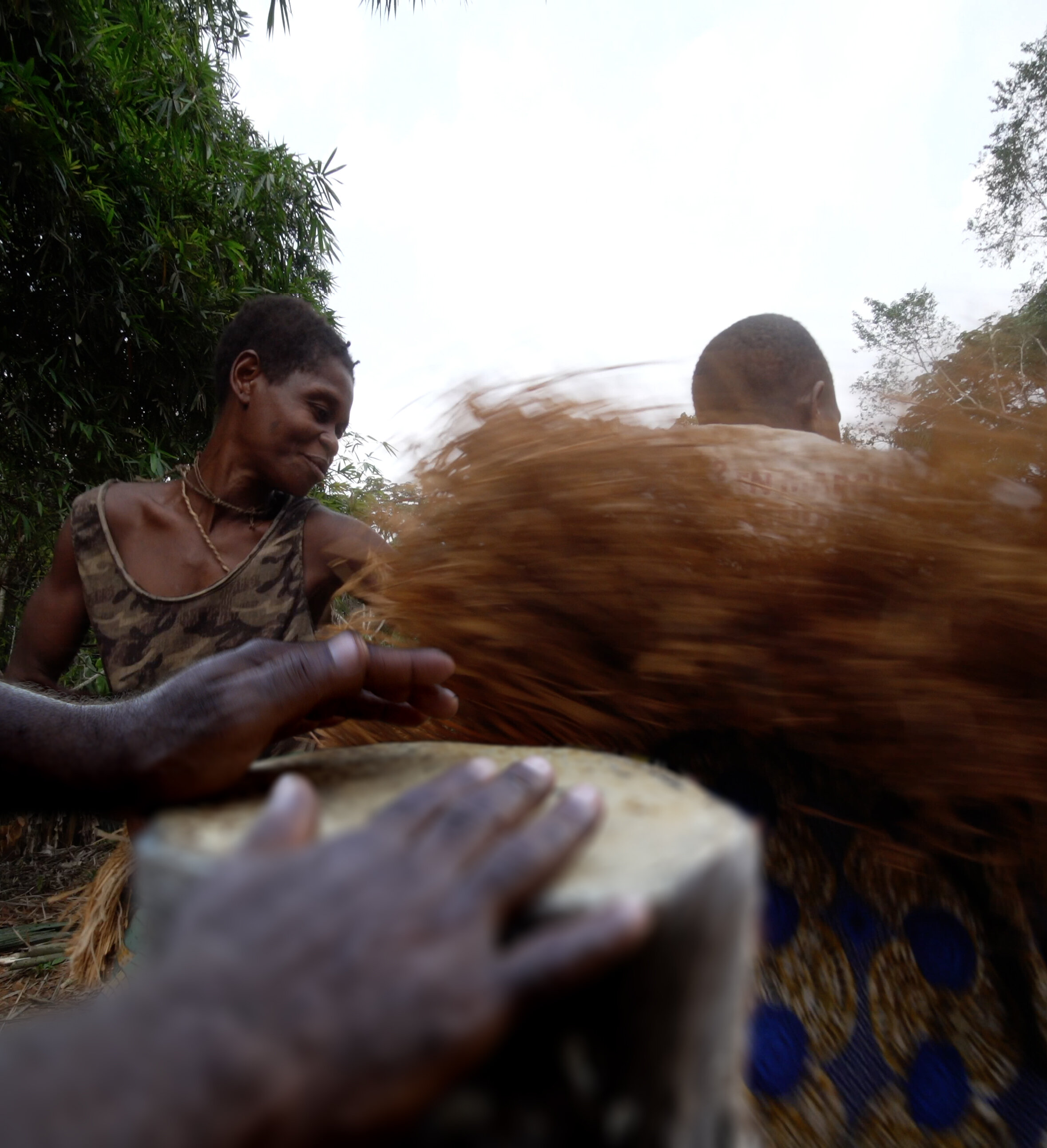
A study by the University of Zurich reveals that Central African hunter-gatherer groups had extensive social networks and cultural exchanges long before the advent of agriculture, preserving ancient cultural diversity. The research, which analyzed genetic data, musical instruments, and specialized vocabulary, shows that these interactions influenced the genetic, linguistic, and cultural traits of these populations, highlighting deep-rooted cultural networking in the region.
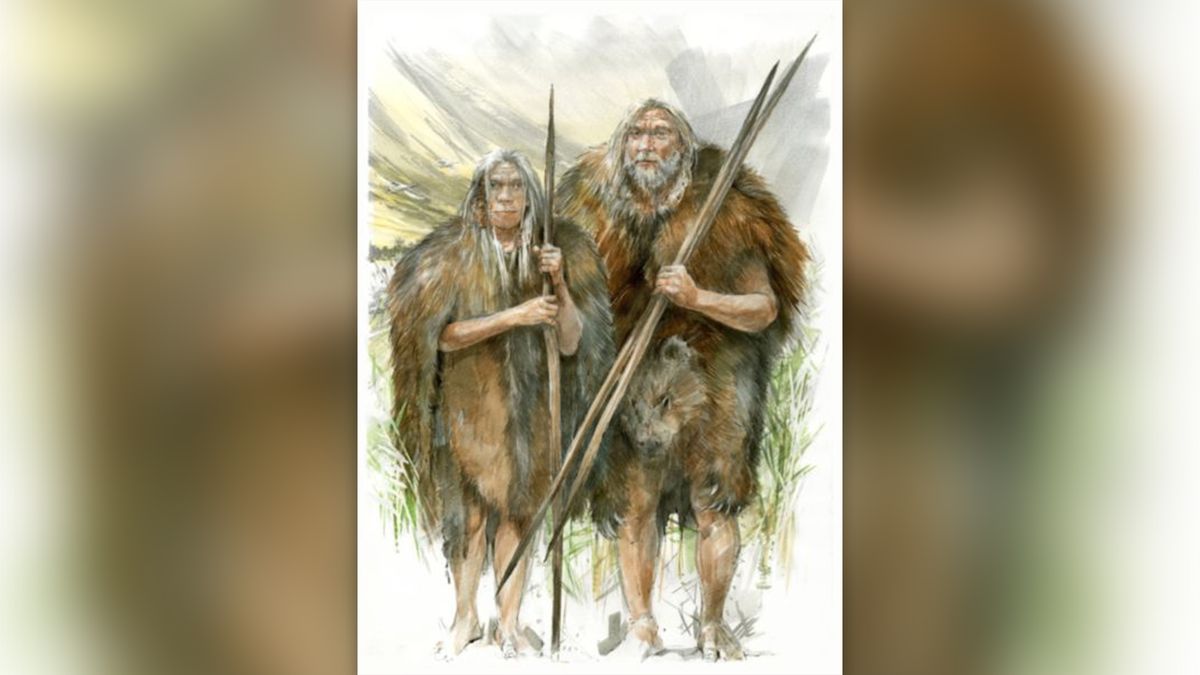
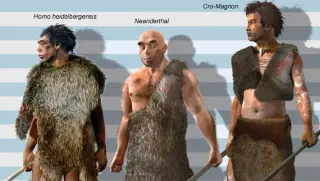
The question of when humans started wearing clothes is difficult to answer due to the lack of surviving clothing artifacts. Evidence from bones, lice evolution, and archaeological findings suggests that Homo heidelbergensis may have worn bear skins around 300,000 years ago, while anatomically modern humans likely began regularly wearing simple clothes around 170,000 years ago. However, different human groups may have started and stopped wearing clothes multiple times throughout history, as seen in the archaeological record of Aboriginal people in Tasmania.