
Bone Isotopes Reveal Wet Climate Boosted Early Maize Adoption in Mexico's Tehuacan Valley
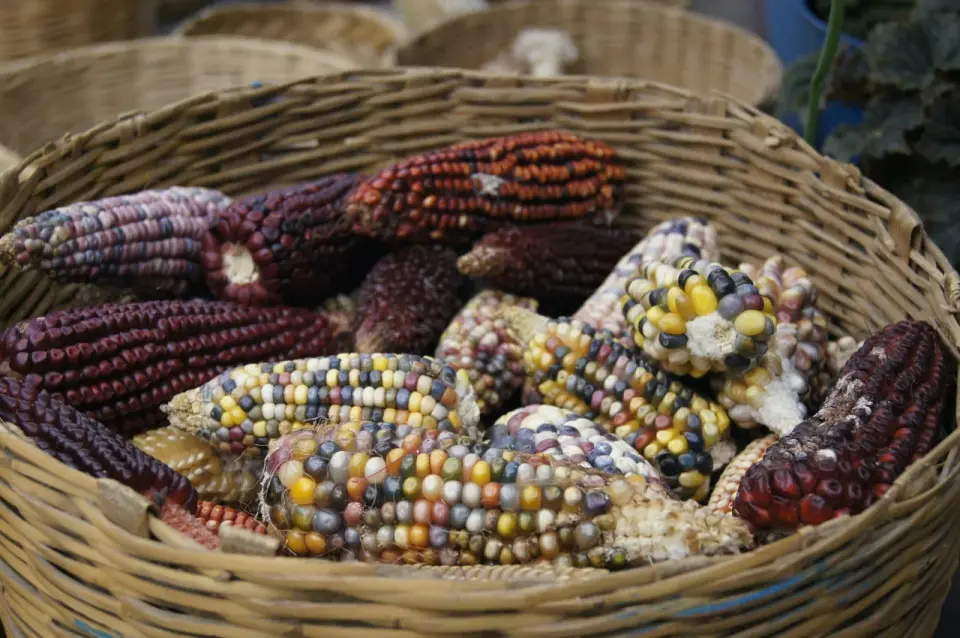
A study of 180 animal bones from Puebla, Mexico, indicates that a shift to wetter, forested conditions in the highlands facilitated the initial spread of maize farming. Researchers found that the driest periods, such as the El Riego phase, preceded the arrival of maize, while the subsequent wetter Abejas phase coincided with the oldest local corn cobs. Although climate played a role, the authors emphasize that social and economic factors also drove the transition to intensive agriculture.
Key points
- Andrew Somerville of Iowa State University and colleagues analyzed 180 bones from 10 sites in Puebla state, including 79 from white-tailed deer and 101 from rabbits, to reconstruct past climates.
- Chemical signatures in the bones, specifically carbon, oxygen, and nitrogen, served as proxies for the local vegetation and water availability during different cultural phases.
- The oldest bones, dating to the late Ice Age, indicated a dry, grassland environment, while the El Riego phase (9,900 to 7,900 years ago) was the driest period in the sequence.
- The Abejas phase, which saw increased rainfall and shrub growth, aligns with the oldest dated maize cobs in the valley, found at San Marcos Cave and dating to approximately 5,400 years ago.
- Maize remained a minor food source for centuries after its introduction, with farming becoming widespread only during the Santa Maria phase (2,800 to 2,250 years ago), which featured a very wet, forested landscape.
- The study supports the hypothesis that favorable weather helped early, domesticated maize establish itself in the highlands, though the authors caution that climate is only a partial explanation for the adoption of agriculture.
Background
This research contributes to the long-standing debate regarding whether drought or favorable weather drove the transition to farming in Mesoamerica. While earlier theories, such as those by Rosenswig, suggested that prolonged droughts forced part-time farmers to intensify maize production, this new isotopic evidence suggests that a return to wetter conditions provided the necessary stability for the crop to thrive. The findings complement other recent archaeological studies, such as those examining maize in Guila Naquitz Cave, which also link early domestication to specific climatic windows.
Why it matters
Understanding the environmental triggers for agricultural adoption helps explain how ancient societies transitioned from foraging to settled, complex civilizations. By linking specific climate shifts to the timing of crop introduction, researchers can better predict how future environmental changes might impact food security and social structures in similar regions.
What to watch
Future research will focus on integrating social, cultural, and economic factors with climate data to provide a more comprehensive understanding of why communities in the Tehuacan Valley committed to intensive maize farming. The authors also plan to expand the isotope analysis to include more sites and species to refine the climate timeline.
Want the full story? Read the original reporting
Read on Archaeology News Online Magazine