
Hunter's Moon Peaks Oct. 26: A Guide to Timing, Naming, and Autumn Skywatching
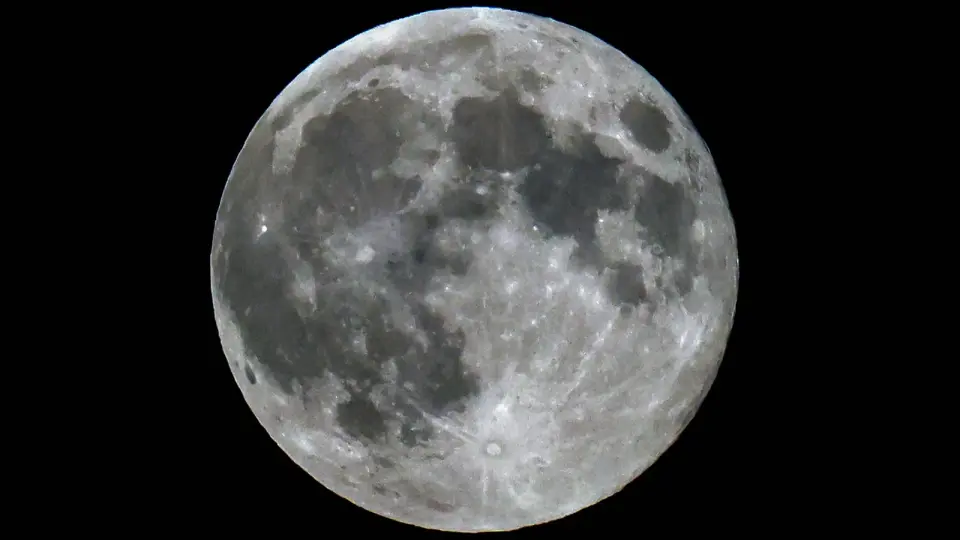
The October 2026 full moon, traditionally known as the Hunter's Moon, reaches peak illumination at 12:12 a.m. EDT on October 26. This event offers optimal viewing conditions for observing the lunar disk and nearby celestial objects, with the name reflecting historical autumn hunting practices.
Key points
- Peak illumination occurs at 12:12 a.m. EDT on October 26, 2026, with the moon appearing full on both Sunday and Monday nights.
- The moon rises at sunset on October 25, offering early viewing opportunities, and sets between 7:00 and 8:00 a.m. GMT on October 26.
- The Hunter's Moon is the 11th of 13 full moons in 2026, followed by supermoons in November and December.
- Saturn appears near the moon at moonrise, though the moon's brightness may obscure the planet.
- The moon will pass near the Pleiades star cluster from October 27 to 29.
Background
This event follows the September Harvest Moon and precedes a series of supermoons in late 2026. October 2026 also featured Saturn at opposition on October 4 and the Orionid meteor shower peaking on October 21-22. The Hunter's Moon is part of a sequence of named full moons tied to seasonal activities, with previous names including the Harvest Moon and upcoming names like the Beaver Moon and Cold Moon.
How outlets are covering it
Space.com emphasizes the moon's visibility for observing lunar features like dark 'seas' and reflective streaks from craters, noting the 'Moon Illusion' that makes it appear larger near the horizon. BBC highlights the moon's visibility in the UK, noting weather challenges from Storm Boelo in northern Scotland, and mentions the Orionid meteor shower, though lunar light may obscure meteors. CNN focuses on the moon's proximity to Saturn and the Pleiades, with NASA's Noah Petro explaining the moon's color variations as indicators of geological history. WTOP News provides practical advice for astrophotography, recommending moonrise at sunset for optimal color and the 'Moon Illusion.' All sources agree on the peak illumination time and the moon's cultural significance, but differ in emphasis: Space.com on lunar features, BBC on weather and meteor showers, CNN on planetary alignments, and WTOP on photography tips.
Why it matters
The Hunter's Moon offers a prime opportunity for skywatchers to observe lunar features, planetary alignments, and seasonal celestial events. Its visibility coincides with Saturn's proximity and the Pleiades, enhancing astronomical interest. The event also underscores the cultural and historical significance of lunar naming, connecting modern observers to traditional practices. For astronomers, the moon's surface variations provide insights into geological history, aligning with NASA's Artemis III mission goals. Weather conditions in some regions may limit visibility, but the moon's full appearance on multiple nights offers flexibility for observers.
What to watch
The next full moon, the Beaver Supermoon, occurs on November 24, 2026, followed by the Cold Supermoon on December 23. These supermoons will appear brighter and larger due to the moon's closer orbit to Earth. In 2027, January and February full moons will also be supermoons. Skywatchers can continue observing the moon's passage near the Pleiades from October 27 to 29, and the Orionid meteor shower, though lunar light may obscure meteors. NASA's Artemis III mission, slated for June 2027, aims to explore lunar surface variations, building on observations from events like the Hunter's Moon.
- October's 'Hunter's Moon' stalks into the autumn sky tonight: Here's what you need to know Space
- October full Moon: How and when to see the Hunter's Moon BBC
- A chance to see the orange hunter’s moon and a peek at Saturn, too CNN
- Photograph the Hunter's Moon with your smartphone – how to capture real detail on tonight's full Moon BBC Sky at Night Magazine
- Hunter’s full moon takes over the skies WTOP News
Want the full story? Read the original reporting
Read on Space