
NASA Contractor Explains Why Space Shuttle Crew Modules Smelled Rancid After Landing
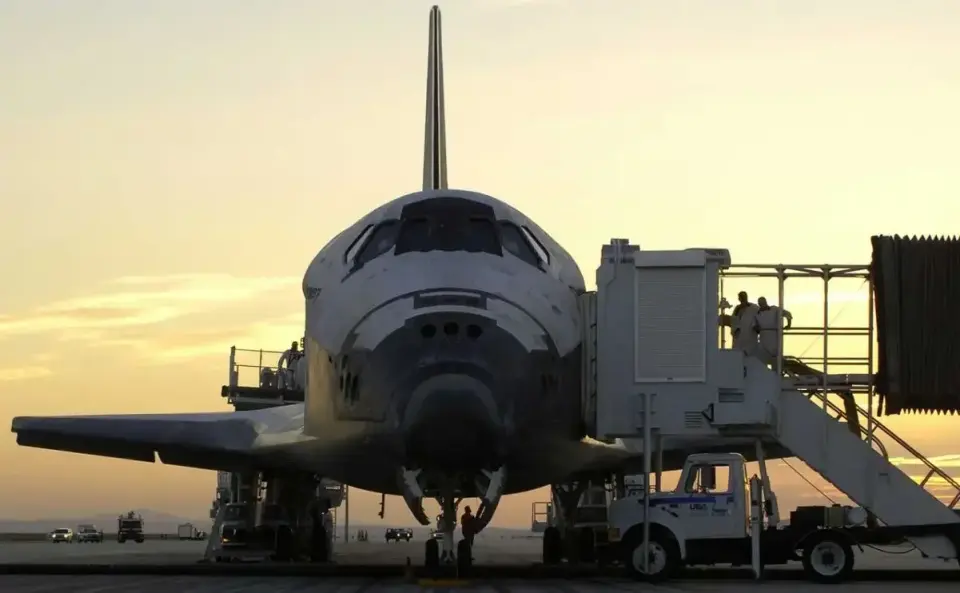
A NASA contractor explains that Space Shuttle orbiters developed a strong, unpleasant odor after landing due to the failure of the environmental control system. Once the vehicle touched down, the system's ability to filter air and remove odors diminished significantly. This was compounded by the decomposition of food and waste stored in the cabin. The system typically shut down within 45 minutes to an hour after landing because the onboard ammonia coolant was depleted, leaving the crew module with stagnant, foul-smelling air.
Key points
- Dave Mohr, a NASA contractor, confirmed that the Space Shuttle smelled bad after flights, stating the answer is 'YES' in all capital letters.
- The Environmental Control System's effectiveness dropped after landing because the vehicle was no longer in a vacuum, reducing its capacity to condition and deodorize cabin air.
- Stored 'fresh food' and 'wet trash' began to decompose and emit strong odors shortly after the flight ended.
- The environmental system usually powered down between 45 minutes and one hour after landing due to the exhaustion of the onboard ammonia coolant fluid.
- The ammonia boiler did not interfere with hydrazine detection, which was performed via probes inserted into the thruster throats.
- Typical landings left the vehicle with only about 30 minutes of ammonia remaining, leading to rapid deterioration of air quality in the crew module.
Background
This explanation provides technical background on the operational realities of the Space Transportation System (STS), which operated from the late 1970s until 2003. The STS consisted of the orbiter, external tank, and solid rocket boosters, with a gross liftoff weight of 2,000 tonnes. While recent NASA news has focused on the 50th anniversary of the Enterprise rollout and new commercial crew contracts with SpaceX and Boeing, this article highlights the specific maintenance challenges faced by ground crews during the Shuttle era. The orbiter Discovery, mentioned in the source, was delivered to Kennedy Space Center in 1983, part of a fleet that included Columbia, Challenger, Atlantis, and Endeavour.
Why it matters
Understanding the post-landing operational constraints of the Space Shuttle provides insight into the engineering limitations of the program. The rapid depletion of ammonia coolant and the subsequent failure of the environmental control system highlight the tight margins of the vehicle's life support systems. This detail underscores the complexity of ground operations and the immediate need for crew disembarkation and vehicle servicing after each mission, contributing to the historical record of the Shuttle program's technical challenges.
What to watch
No further developments are indicated in the source. The article serves as a retrospective explanation of historical events related to the Space Shuttle program, which concluded in 2003. Current NASA operations focus on commercial crew transportation to the International Space Station, as noted in recent archive entries regarding SpaceX and Boeing contracts.
Want the full story? Read the original reporting
Read on The Aviation Geek Club