
JWST reveals Io’s cold footprint in Jupiter’s auroras
TL;DR
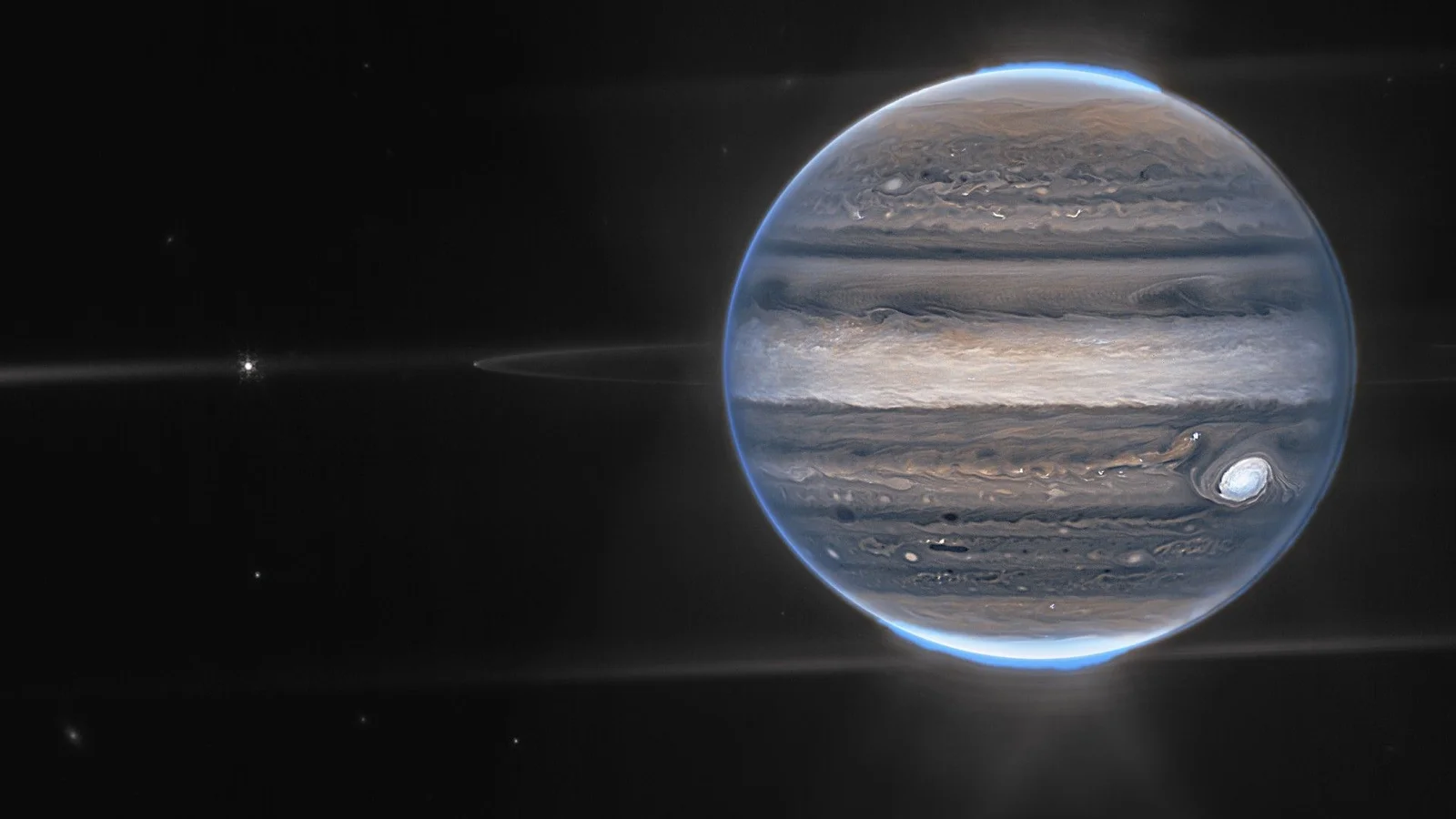
NASA’s James Webb Space Telescope captured a surprising cold spot and unusually high ion density beneath Io’s auroral footprint on Jupiter, showing real-time interactions between the planet’s magnetic field and its Galilean moons. The cold patch (~265°C) and dense plasma arise from Io’s volcanic plumes feeding a surrounding plasma torus, altering the aurora as ions crash into Jupiter’s atmosphere. Scientists will pursue follow-up observations to determine how often these footprints occur, with the findings published in Geophysical Research Letters.
- Jupiter's moons leave cold 'footprints' in the planet's auroras, James Webb Space Telescope finds Space
- The JWST Reveals Some Puzzling Surprises in Jupiter's Northern Aurora Universe Today
- Telescope reveals surprising secrets in Jupiter’s northern lights downthetubes.net
- How does Jupiter react to its Moons? Insights from JWST observations explored primetimer.com
- The Universe May Be Full of Spectacular Auroras, Our Biggest Moon Ganymede Shows Us Orbital Today
Want the full story? Read the original reporting
Read on Space