Shadow Play Across the Solar System: Planets and the Hidden Power of Eclipses
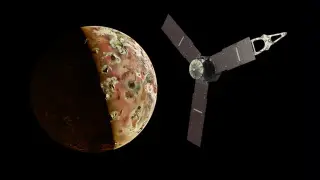
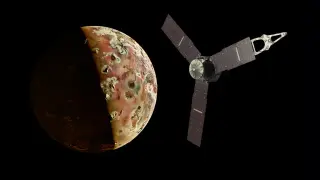
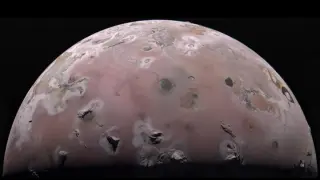
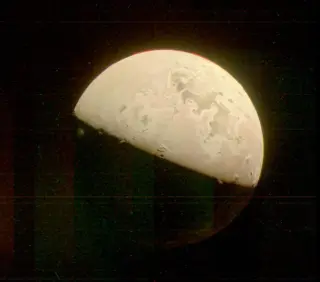
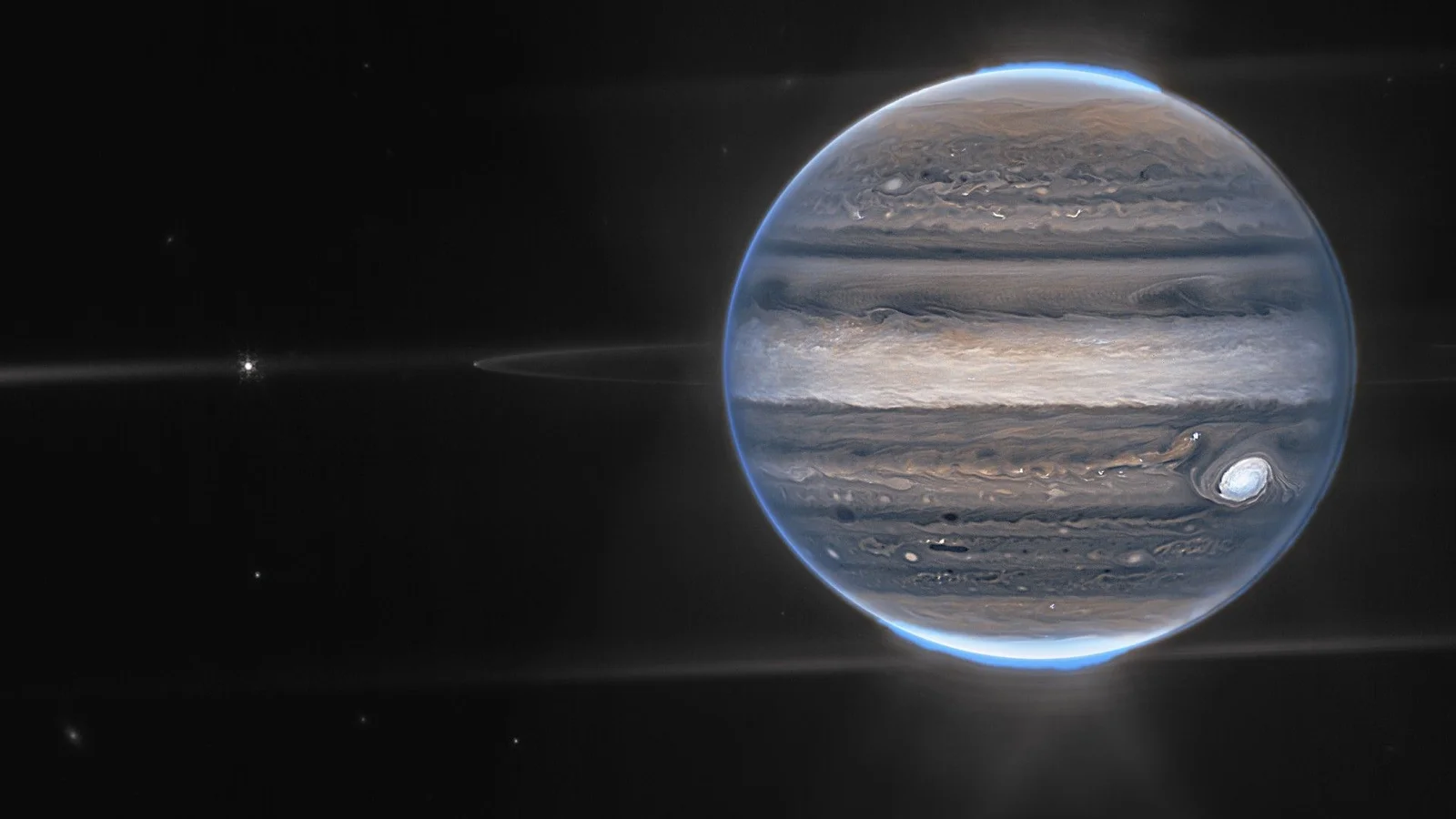
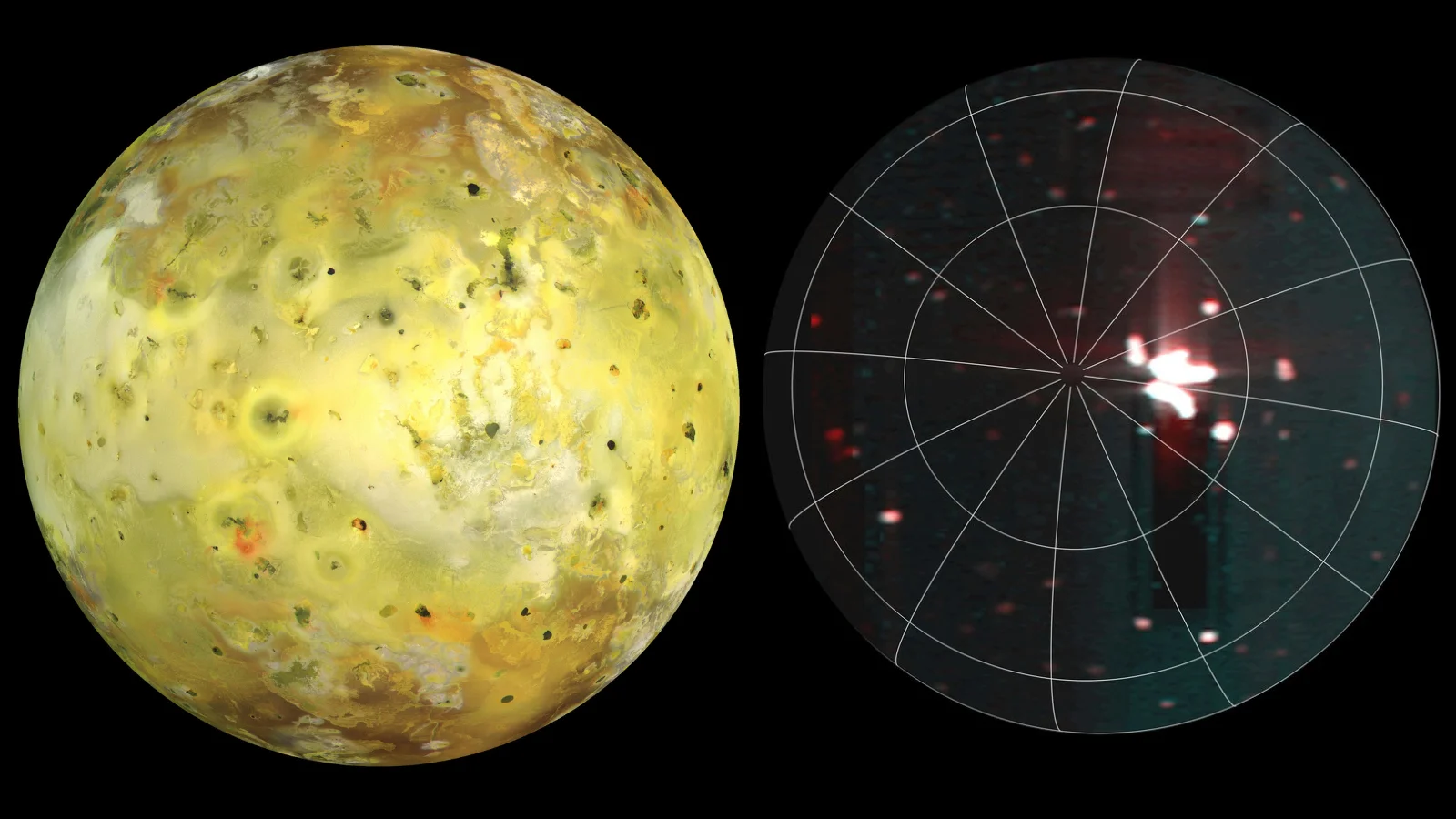
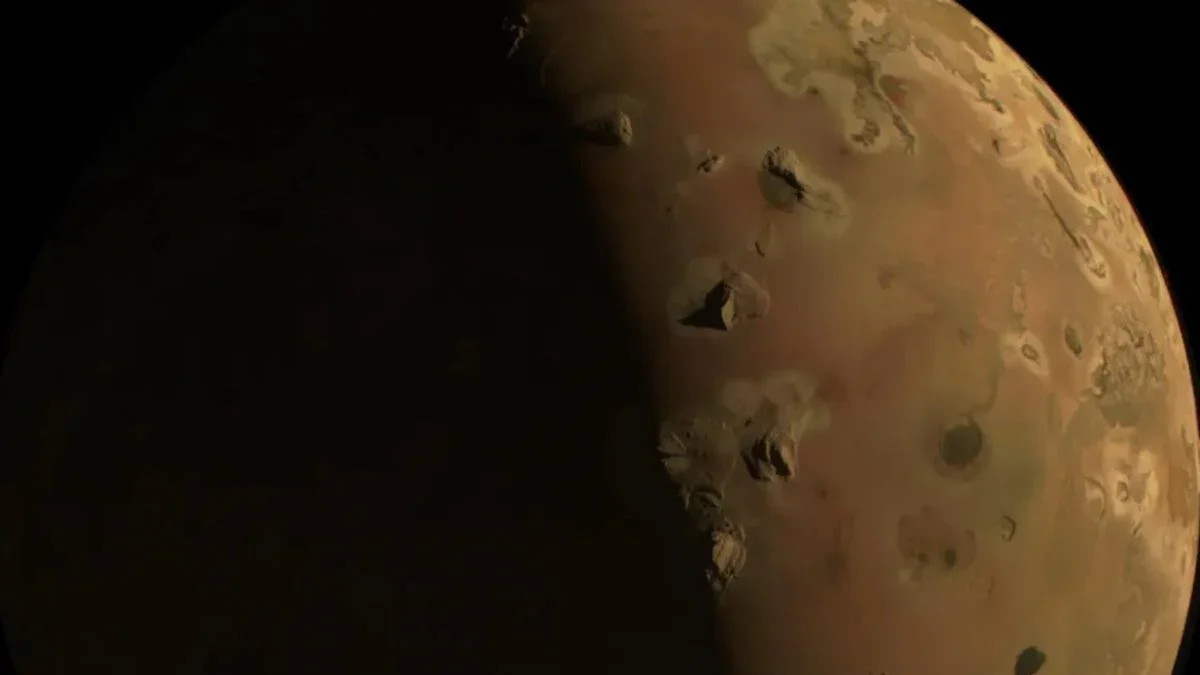
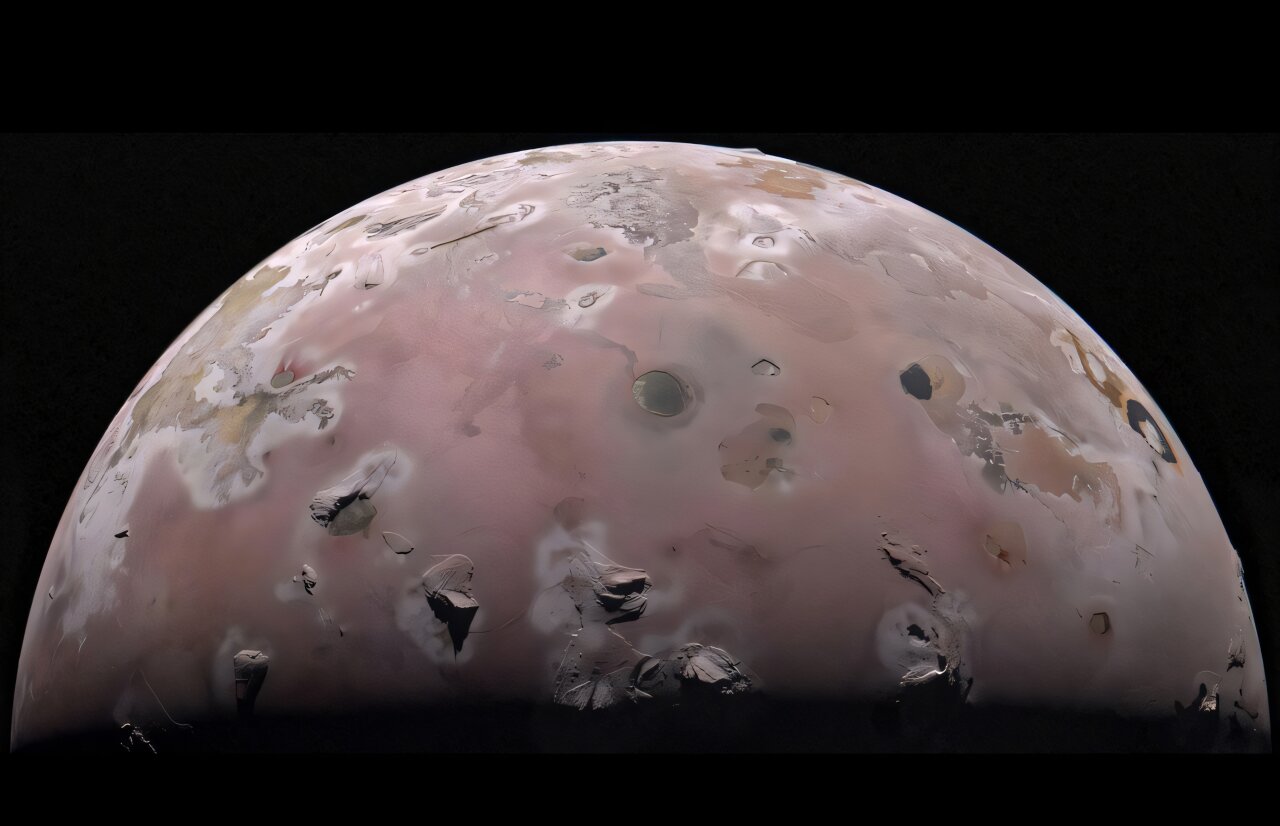
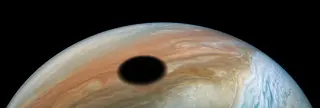
Solar eclipses occur when a moon passes between a planet and the Sun, casting a shadow that researchers use to study motion, atmospheres, and gravity. The article notes Io's frequent shadow on Jupiter as an example, recounts Earth's historic use of eclipses and the 1919 test of general relativity, highlights the 1973 Concorde flight that extended totality to 74 minutes for coronal observations, and describes Phobos transits on Mars used to measure orbital decay—demonstrating the same geometric rules govern eclipses across the solar system.