
"Unveiling Mysteries: Red Supermassive Black Hole's Galactic Impact"
TL;DR Summary
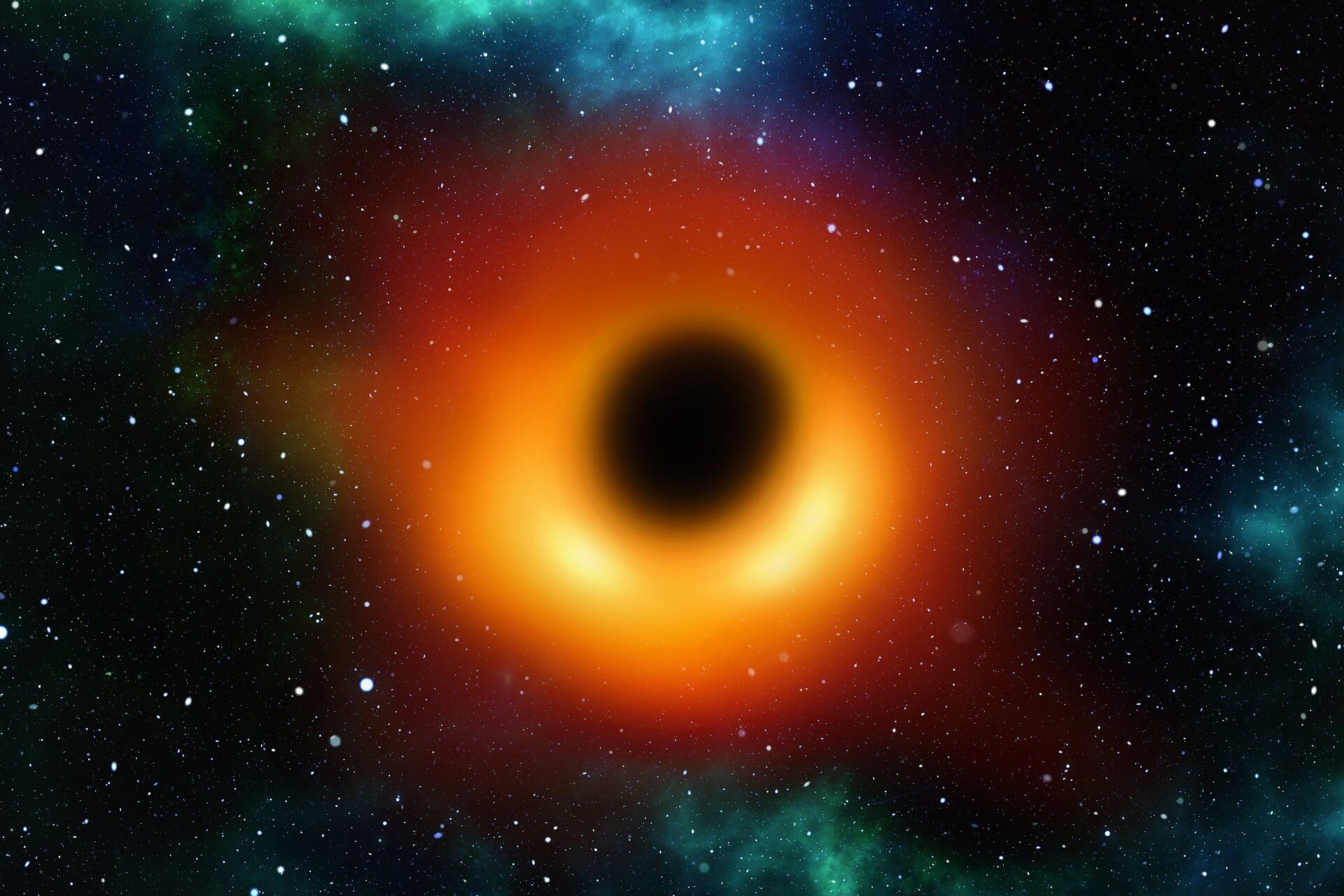
Astronomers using the James Webb Space Telescope have detected an extremely red, gravitationally lensed supermassive black hole in the early universe, suggesting it lies behind a thick veil of dust. The black hole's mass is significantly more massive compared to its host galaxy, challenging current understanding of black hole and galaxy growth. This finding, published in Nature, sheds light on the interplay between supermassive black holes and their host galaxies in the early universe.
Topics:science#astronomy#early-universe#galaxy-formation#gravitational-lensing#james-webb-space-telescope#supermassive-black-hole
- Astronomers detect an extremely red supermassive black hole in the early universe growing in the shadows Phys.org
- Spin of a new black hole is unlocking galactic mysteries Earth.com
- Supermassive Football: Milky Way Black Hole Spinning Fast Enough to Warp Spacetime Into Oval Shape, Scientists Say MSN
- Red supermassive black hole seems excessively big for its galaxy - study The Jerusalem Post
- Warp Speed Ahead: How Our Galaxy's Black Hole Bends Spacetime SciTechDaily
Reading Insights
Total Reads
0
Unique Readers
10
Time Saved
5 min
vs 6 min read
Condensed
93%
1,026 → 74 words
Want the full story? Read the original article
Read on Phys.org