
Unveiling the Surprising Impact of Wildfire Smoke on Global Warming
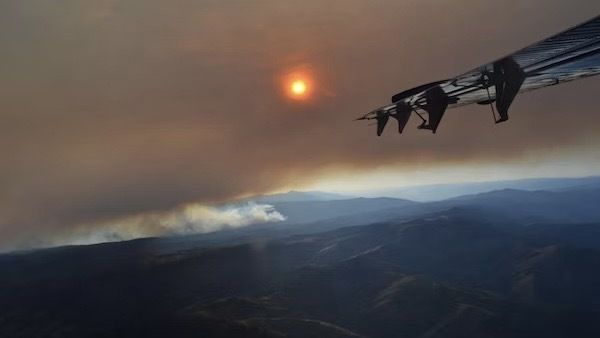
New research has revealed that a previously unknown type of particle, called organic "dark brown carbon," found in wildfire smoke, absorbs a significant amount of heat, contributing to the warming of the planet. These particles, which are four times more abundant in smoke than black carbon, have the potential to warm the Earth beyond what current climate models account for. The study, conducted by NASA and NOAA, highlights the urgent need to better understand the warming effects of brown carbon, which is also released during the burning of fossil fuels. The particles absorb light across the visible spectrum and resist light-induced bleaching, making them capable of heat absorption for at least three days.
- Wildfire smoke is warming the planet more than previously thought, scientists say Space.com
- AI can help forecast air quality, but freak events like 2023's summer of wildfire smoke require traditional methods too The Conversation
- Shortwave absorption by wildfire smoke dominated by dark brown carbon Nature.com
- Do air purifiers work on wildfire smoke? An engineer discusses National Post
- Fanning the Flames: Wildfires Emit Potent Climate-Warming Organic Particles CleanTechnica
- View Full Coverage on Google News
Reading Insights
0
12
3 min
vs 4 min read
85%
739 → 113 words
Want the full story? Read the original article
Read on Space.com