
Arctic Permafrost Thaw Reshapes Global Climate Projections
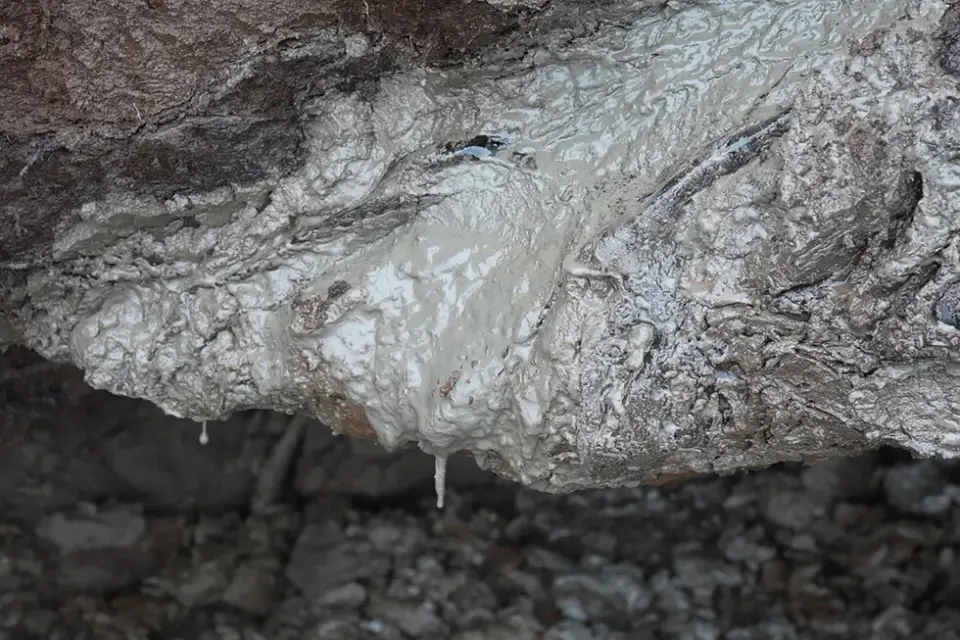
Thawing Arctic permafrost is releasing significant amounts of methane and carbon dioxide, fundamentally altering global climate models. This process creates a self-reinforcing feedback loop where warming accelerates thaw, which releases more greenhouse gases, potentially sustaining higher temperatures for decades or centuries. Scientists emphasize that immediate emission reductions are critical to slowing this irreversible cycle.
Key points
- Permafrost thaw releases methane and CO2, acting as a major driver of future warming.
- The release of these gases creates a feedback loop that can sustain climate change for long periods.
- Experts warn that current warming trends may push permafrost regions past critical tipping points.
- Reducing fossil fuel emissions is identified as the primary method to limit the extent of permafrost thaw.
Background
Recent studies have highlighted the accelerating pace of Arctic environmental changes. In August 2026, climate scientist Gustaf Hugelius warned that permafrost tipping points could trigger a self-reinforcing feedback loop. Additionally, research published in September 2026 demonstrated that river erosion in the High Arctic is occurring approximately ten times faster than on unfrozen ground due to seasonal thaw. These findings, along with events like the Nepal floods linked to thawing permafrost, underscore the rapid and complex nature of climate impacts in polar regions.
Why it matters
The release of greenhouse gases from permafrost represents a potential 'wildcard' in climate policy. If this feedback loop accelerates, it could undermine global efforts to limit warming, making immediate and aggressive emission cuts essential to prevent long-term, irreversible climate shifts.
What to watch
Scientists will continue to monitor permafrost regions for signs of tipping points. Policy discussions will likely intensify regarding the need for rapid fossil fuel reductions to mitigate the risks posed by this emerging climate feedback mechanism.
Want the full story? Read the original reporting
Read on AP News