
Satellite Data Reveals 12.5 Trillion Tons of Polar Ice Lost Since 1970s
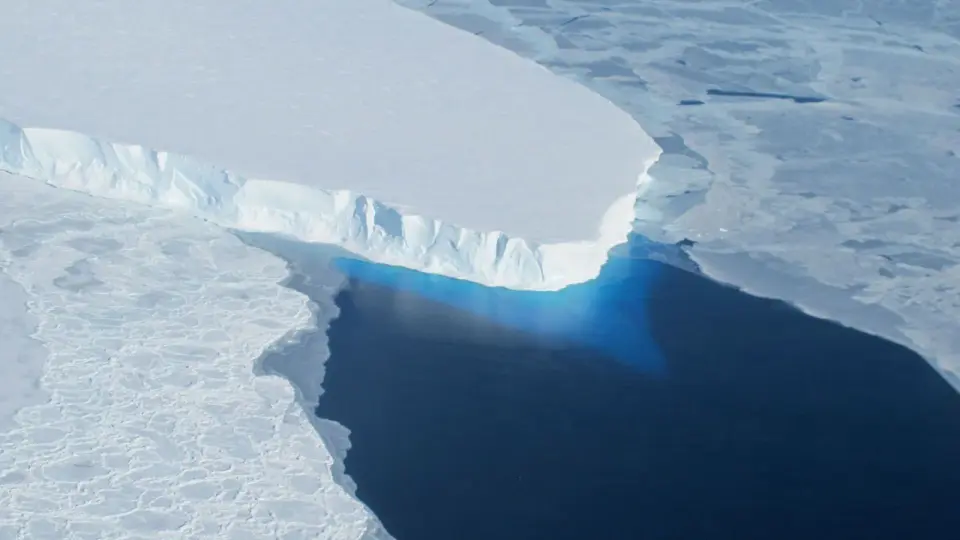
A new study combining 42 satellite surveys shows Earth’s polar ice sheets have lost 12.5 trillion tons of ice since the 1970s, contributing to a 31.4 millimeter rise in global sea levels. The majority of this loss is driven by faster glacier flow into the ocean rather than surface melting.
Key points
- Researchers compiled the longest satellite record of polar ice loss, covering Greenland from 1972 and Antarctica from 1979 through 2023.
- The Ice Sheet Mass Balance Inter-comparison Exercise (IMBIE) found that 84% of ice loss is due to dynamic glacier flow, while only 16% results from surface melting.
- Greenland accounts for the majority of the total ice loss, with annual losses accelerating significantly from the 1980s to the 2010s.
- The observed ice loss has contributed approximately 31.4 millimeters to global sea level rise, putting an additional 6 to 9 million people at risk of coastal flooding.
- Recent data from 2020-2023 showed a temporary stabilization in the Antarctic Peninsula due to record snowfall, but experts warn the accelerating loss trend has resumed since 2023.
Background
Previous coverage in September 2026 highlighted similar findings, noting that warmer ocean waters are the primary driver of ice loss rather than atmospheric warming. Earlier reports also discussed a temporary ice mass gain in East Antarctica between 2021 and 2023 caused by unusual snowfall patterns linked to tropical ocean warming, which briefly offset some losses but did not reverse the long-term trend.
How outlets are covering it
Space.com and ScienceAlert emphasize the scale of the loss, citing 12.5 trillion tons and 12 trillion tons respectively, and highlight the role of ocean warming in accelerating glacier flow. The Washington Post focuses on the visual and physical reality of ice loss, specifically detailing how Jakobshavn Glacier in Greenland generates 41 billion metric tons of icebergs annually. While all sources agree on the magnitude of loss, ScienceAlert notes that the apparent stabilization in Antarctic ice loss during 2020-2023 was due to short-term weather variations, not a reversal of the long-term trend.
Why it matters
This data provides the most comprehensive long-term record of polar ice loss, confirming that sea level rise is accelerating due to dynamic changes in glaciers. The findings underscore the urgency of climate action, as the loss of ice from Greenland and Antarctica directly threatens coastal communities worldwide and will continue to rise even if warming slows.
What to watch
Scientists will use this detailed record to improve future sea level rise forecasts. Continued monitoring will be essential to track whether the accelerating trend resumes after the temporary snowfall-driven stabilization in Antarctica, and to assess the impact of ongoing ocean warming on glacier dynamics.
- 12.5 trillion tons of polar ice has disappeared since the 70s, longest satellite record shows Space
- Satellites show Earth lost more than 12 trillion tons of ice from Greenland, Antarctica in 47 years Phys.org
- We've Lost 12 Trillion Tons of Ice From Earth's Major Ice Sheets in Just 47 Years, Satellites Reveal ScienceAlert
- Cheapest gas stations in Florida IslanderNews.com
- See how polar glaciers have lost trillions of tons of ice The Washington Post
Want the full story? Read the original reporting
Read on Space