
Unleashing the Power of 'Fire Ice': Investigating Climate Change's Impact on Ocean Methane
TL;DR Summary
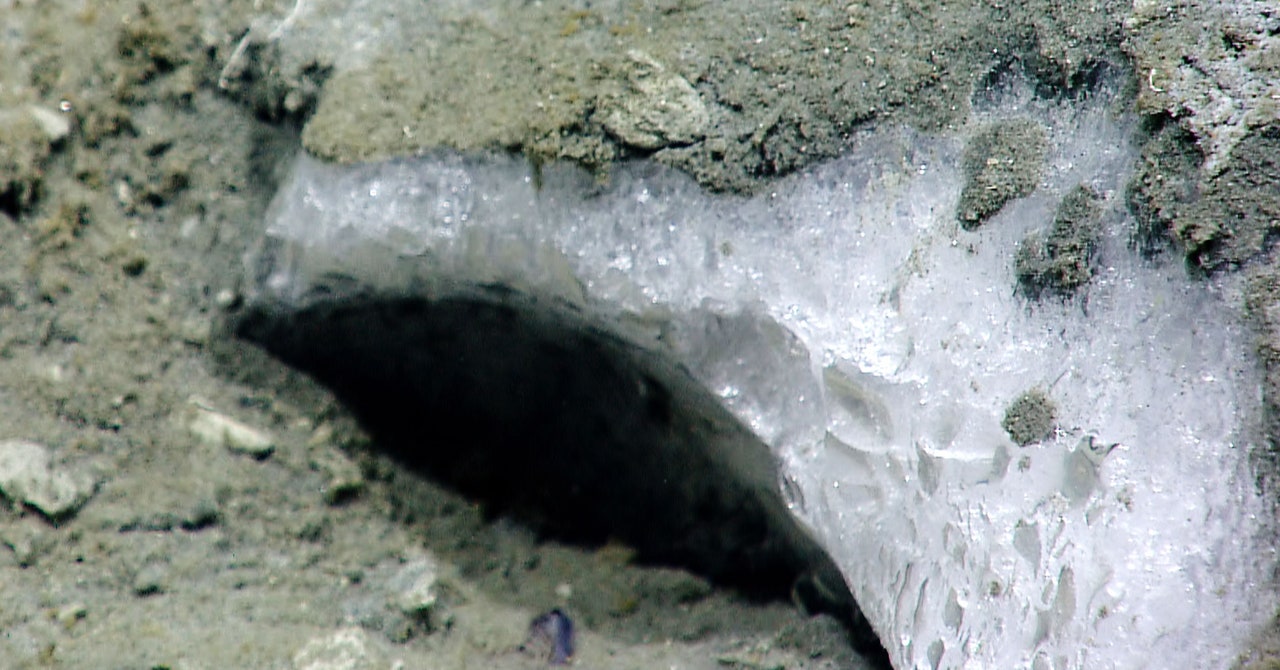
Researchers have discovered large pockmarks on the seafloor off the coast of Mauritania, which were caused by the melting of marine methane hydrate, also known as fire ice. Methane hydrate is a potent greenhouse gas, and its release into the atmosphere could contribute to climate change. The finding suggests that more fire ice is vulnerable to climate-induced melt than previously thought, posing a significant source of planet-warming gas in the future. However, the immediate threat remains human-induced carbon emissions, and efforts should focus on reducing anthropogenic CO2 and methane.
- Don't Worry, It's Just 'Fire Ice' WIRED
- Warming oceans could thaw trapped ‘fire-ice’ Popular Science
- Melting "fire-ice" unleashes methane trapped in the deep ocean • Earth.com Earth.com
- There is no permafrost cap under glaciers; methane feedback activates once retreat exposes surface. Daily Kos
- Researchers investigate how climate change drivers reshape ocean methane and nitrous oxide cycles Phys.org
Reading Insights
Total Reads
0
Unique Readers
29
Time Saved
5 min
vs 6 min read
Condensed
92%
1,142 → 89 words
Want the full story? Read the original article
Read on WIRED