
Tag

Fire Ice

All articles tagged with #fire ice

Fire Ice Beneath the Sea: A Vast Methane Reserve Too Difficult to Exploit
science1 month ago

Fire Ice Beneath the Sea: A Vast Methane Reserve Too Difficult to Exploit

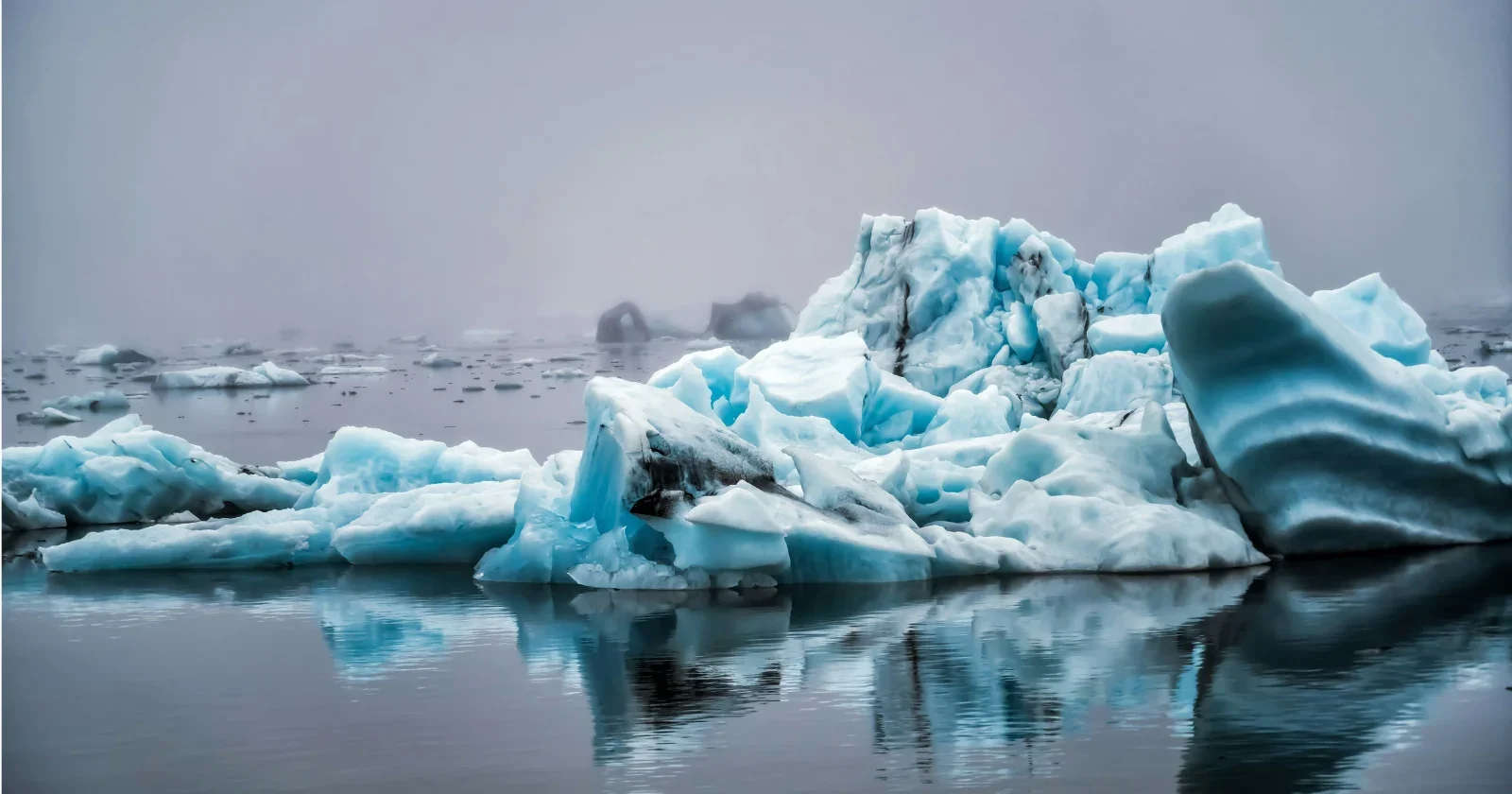
Deep beneath the ocean floor lies methane hydrate, a.k.a. fire ice, that can ignite when released and may hold roughly twice the carbon of all Earth’s fossil fuels, yet extracting it is not economically feasible today. Most deposits sit in deep, stable conditions, with Arctic-edge zones potentially destabilizing as temperatures rise and releasing potent greenhouse gas. The article emphasizes the resource’s enormous size but practical extraction barriers, a contrast to Titan’s methane seas that are abundant yet unusable on Earth due to lack of oxygen.
"Unveiling the Deep Ocean's Fire-Ice Time Bomb: A Looming Threat of Climate Change"
climate-change2 years ago

"Unveiling the Deep Ocean's Fire-Ice Time Bomb: A Looming Threat of Climate Change"

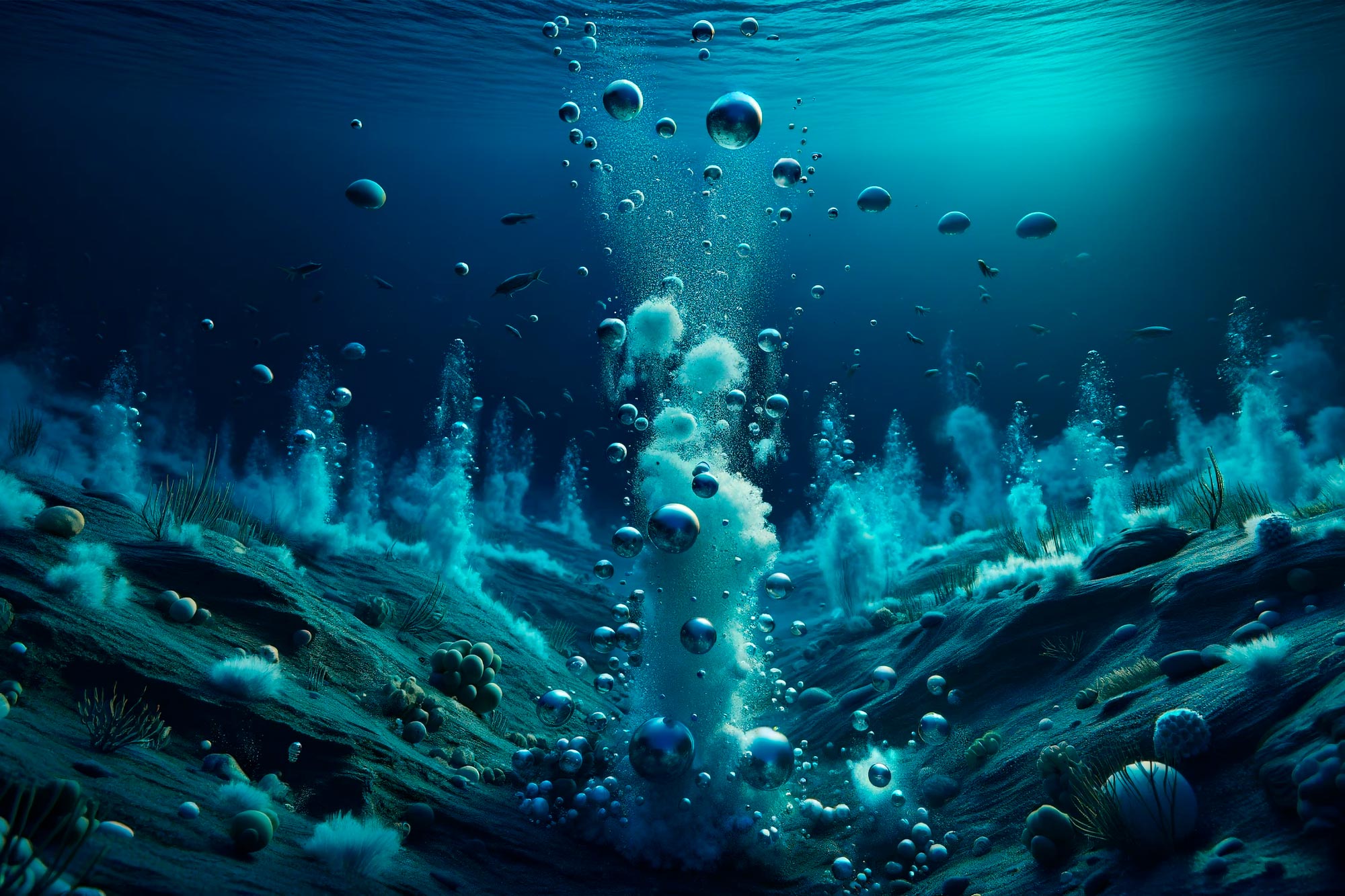
New research reveals that frozen methane, known as fire-ice or methane hydrate, trapped under the ocean floor is at risk of melting due to climate change. As the methane hydrate melts, methane, a potent greenhouse gas, is released and can migrate significant distances, challenging previous assumptions about its stability. This poses a significant threat of methane release into the atmosphere, contributing to global warming. The discovery highlights the need to better understand the role of methane hydrates in the climate system and develop strategies to address their impact on our changing climate.

Unleashing the Power of 'Fire Ice': Investigating Climate Change's Impact on Ocean Methane
earth-science2 years ago

Unleashing the Power of 'Fire Ice': Investigating Climate Change's Impact on Ocean Methane

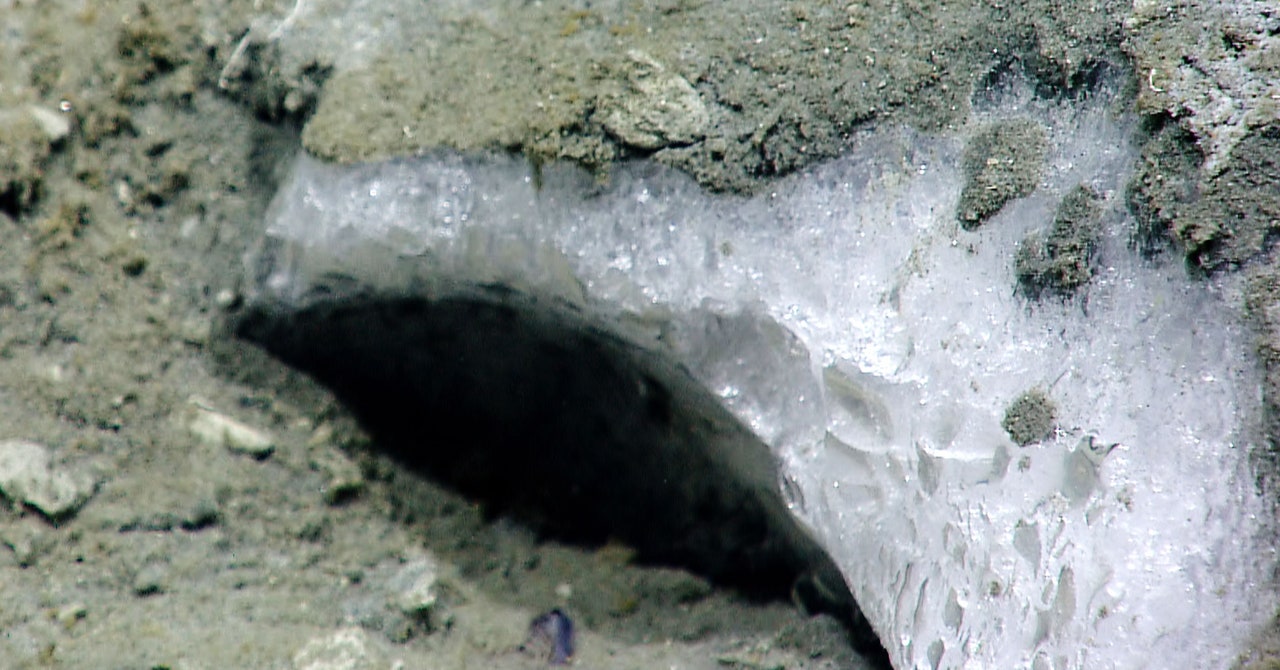
Researchers have discovered large pockmarks on the seafloor off the coast of Mauritania, which were caused by the melting of marine methane hydrate, also known as fire ice. Methane hydrate is a potent greenhouse gas, and its release into the atmosphere could contribute to climate change. The finding suggests that more fire ice is vulnerable to climate-induced melt than previously thought, posing a significant source of planet-warming gas in the future. However, the immediate threat remains human-induced carbon emissions, and efforts should focus on reducing anthropogenic CO2 and methane.