
Materials-Driven Fusion: Metals Boost Low-Energy Nuclear Reactions
TL;DR Summary
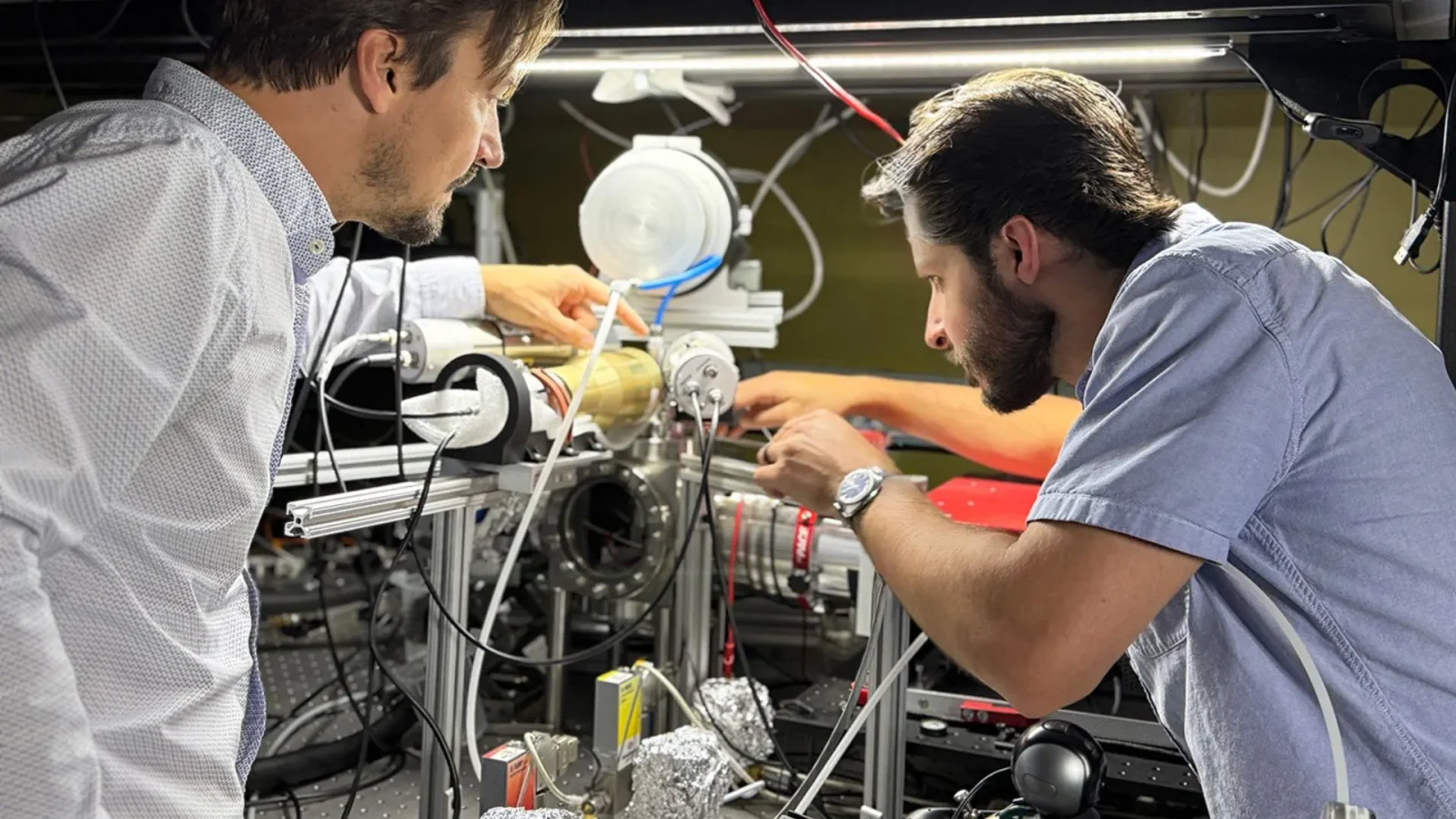
US researchers at UC Davis and Berkeley Lab found that surrounding host metals can dramatically boost low-energy deuterium fusion, with fusion rates plateauing below 2.5 keV and, in some samples, increasing by up to a quintillion-fold versus vacuum; the effect is attributed to electrons and structural defects in the host metal shielding Coulomb repulsion, opening a new materials-driven approach to fusion and potentially enabling compact neutron generators and new modeling tools like DuctGPT.
- Low-energy nuclear fusion rates boosted inside host metals in US tests Interesting Engineering
- Testing Materials For Fusion Power Plants Mirage News
- When It Comes to Fusion, Materials Matter Berkeley Lab News Center (.gov)
Reading Insights
Total Reads
0
Unique Readers
0
Time Saved
10 min
vs 10 min read
Condensed
96%
1,991 → 73 words
Want the full story? Read the original article
Read on Interesting Engineering